คำถาม 1
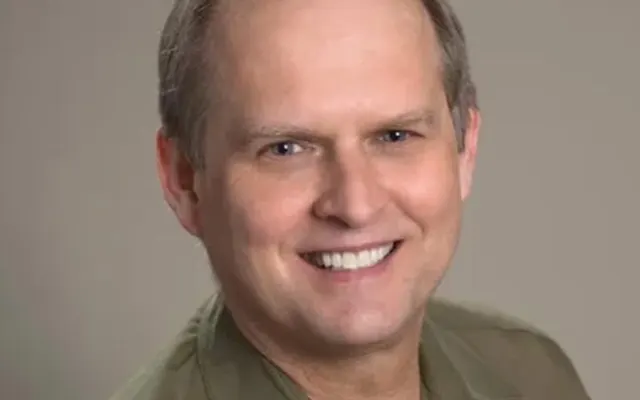
Robin Hanson
x.com/robinhansonEconomist who expects AI to reshape the economy gradually and favors ordinary liability law over AI-specific regulation or a pause.
AI จะเปลี่ยนแปลงโลกอย่างไร?
แนวนอน: มุมมอง Doom–Bloom ที่บุคคลนั้นแสดงออก แนวตั้ง: ระดับของการเปลี่ยนแปลง
Doom–Bloom: 75 จาก 100 ระดับของการเปลี่ยนแปลง: 64 จาก 100 ช่วงการตีความ: แนวนอนตั้งแต่ 70 ถึง 80 แนวตั้งตั้งแต่ 50 ถึง 75 ค่าเหล่านี้เป็นพิกัดสำหรับการตีความ ไม่ใช่ความน่าจะเป็นของเหตุการณ์
≈2%
อนุมานจากคำตอบจำลองของบุคคลนั้น ไม่ใช่ตัวเลขที่บุคคลนั้นระบุ ช่วงที่เป็นไปได้: ต่ำกว่า 6%
การทำงานและสถาบัน
My default is therefore large effects unfolding over decades, rather than a sudden concentrated takeoff.
คำตอบ 1
จัดกลุ่มตามหมุดหมายสำคัญ โดยไม่ได้เว้นระยะหรือเรียงตามวันที่ที่อนุมานไว้ AGI และ AI ที่เหนือกว่ามนุษย์ยังคงใช้คำนิยามของบุคคลนั้น
ข้อสันนิษฐานหลัก
AI is a general-purpose technology: realizing its value requires complementary capital, redesigned organizations, new workflows, legal adaptation, and time.คำตอบ 1
หากข้อสันนิษฐานนี้ปรากฏว่าเป็นไปอีกแบบ มุมมองของบุคคลนั้นจะเปลี่ยนไปอย่างไร?
คำถามที่ยังไม่มีข้อสรุป
I don’t have a supported current overall percentage.คำตอบ 4
อะไรจะช่วยให้บุคคลนั้นแยกแยะผลลัพธ์ที่เป็นไปได้ในเรื่องนี้?
รายละเอียดเพิ่มเติม
คาดว่าจะได้รับประโยชน์อย่างมาก โดยมีเงื่อนไขสำคัญหรือข้อจำกัดด้านการกระจายประโยชน์
70 / 100
ช่วงการตีความตั้งแต่ 67 ถึง 100 บนมาตรวัดเชิงคุณภาพ
คาดว่าจะเกิดอันตรายที่จัดการได้หรือจำกัดอยู่เฉพาะพื้นที่
34 / 100
ช่วงการตีความตั้งแต่ 0 ถึง 67 บนมาตรวัดเชิงคุณภาพ
การเลือกของมนุษย์มีอิทธิพลอย่างมีนัยสำคัญ แต่ถูกจำกัดอย่างมาก
55 / 100
ช่วงการตีความตั้งแต่ 32 ถึง 93 บนมาตรวัดเชิงคุณภาพ
หยุดหรือชะลอการพัฒนา AI ที่มีความสามารถสูงขึ้นอย่างมาก
ตำแหน่งจำลอง: เดินหน้าพัฒนาต่อภายใต้มาตรการป้องกันที่ระบุไว้
เร่งการพัฒนา AI ที่มีความสามารถสูงขึ้น
จำกัดการใช้ AI ที่กล่าวถึงจนกว่าจะมีมาตรการป้องกันหรือการอนุญาตล่วงหน้า
ตำแหน่งจำลอง: อนุญาตการใช้ AI ที่กล่าวถึง โดยมีความรับผิดรับชอบและมาตรการป้องกันที่มุ่งเป้าเฉพาะด้าน
ลดข้อจำกัดในการใช้ AI ที่กล่าวถึงให้น้อยที่สุด
การตีความเหล่านี้ยังคงเงื่อนไขที่บุคคลนั้นระบุไว้ ทั้งประโยชน์และอันตรายอาจมีมากได้ ช่วงต่างๆ อธิบายวิธีที่เราอ่านคำตอบจำลองของบุคคลนั้น ไม่ใช่ช่วงความเชื่อมั่นทางสถิติ
โลกทัศน์ที่คล้ายกัน
ผู้นำทางความคิดที่มีโลกทัศน์จำลองใกล้เคียงกับโลกทัศน์ของ Robin Hanson มากที่สุด
แบบประเมินจำลอง
แหล่งข้อมูล
บทความ บทสัมภาษณ์ และงานเขียนที่ใช้เป็นหลักฐานรองรับผู้ใช้จำลองรายนี้
Questions assumptions behind a temporary pause and compares regulation with liability and retaliation.

Conditional argument that competitive AI cultures could reduce maladaptive cultural drift.

Argues value drift also affects human descendants, current LLMs look unusually prosocial, transformative economic dominance is decades away, and present governance is too poor to justify AI-specific restrictions.

His policy submission favors ordinary law and liability rather than special AI subsidies or regulation; explains why he withheld more nuanced insurance/liability proposals from a public political message.

Expects decades for large economy-wide effects because general-purpose technologies need complementary capital and process reorganization; current personal utility is a different claim.

Proposes software spending as a test of promised cost savings; April 13 update gives an approximately even chance of 2–3x software-industry spending over a decade, rather than immediate economy-wide transformation.

Interview recorded September 5, 2019: disputes sudden concentrated takeoff and asks why smarter agents necessarily worsen principal-agent problems. Supports some advance investigation while arguing concrete system knowledge changes the timing of safety work. Historical timelines must not replace his newer forecasts.

Older speaker-labeled, lightly edited transcript of his CSPI podcast with Richard Hanania; use only Robin’s answers. Asked the chance that Yudkowsky is completely right and a near-term foom ends us, he says less than 1%, and declines to go below 0.1% when pressed. The estimate concerns that fast-takeoff scenario only, not every long-run AI outcome, and is not a current overall P(doom).

จุดยืนของคุณอยู่ตรงไหน?
ทำแผนที่โลกทัศน์ของฉัน