




Luana Cantuarias

Luana Cantuarias

x.com/luacantu

Software engineer who builds AI agents and crypto payment infrastructure and writes about agents becoming economic actors.

AI จะเปลี่ยนแปลงโลกอย่างไร?

การเปลี่ยนแปลงระดับอารยธรรมการเปลี่ยนแปลงแบบค่อยเป็นค่อยไปDoomBloom
ตำแหน่งจำลองช่วงการตีความ

แนวนอน: มุมมอง Doom–Bloom ที่เธอแสดงออก แนวตั้ง: ระดับของการเปลี่ยนแปลง

Doom–Bloom: 75 จาก 100 ระดับของการเปลี่ยนแปลง: 67 จาก 100 ช่วงการตีความ: แนวนอนตั้งแต่ 70 ถึง 80 แนวตั้งตั้งแต่ 49 ถึง 76 ค่าเหล่านี้เป็นพิกัดสำหรับการตีความ ไม่ใช่ความน่าจะเป็นของเหตุการณ์

P(doom) ของ Luana Cantuarias · อนุมาน

≈3%

0%100%

อนุมานจากคำตอบจำลองของบุคคลนั้น ไม่ใช่ตัวเลขที่บุคคลนั้นระบุ ช่วงที่เป็นไปได้: 2–8%

เราประมาณค่า P(doom) อย่างไร

สิ่งที่มุมมองของเธอขึ้นอยู่กับ

ข้อสันนิษฐานหลัก

Identity, permissions, budgets, spend limits, alerts, audit trails, and open settlement rails are not boring details; they determine what agents can actually own and do.
คำตอบ 1

หากข้อสันนิษฐานนี้ปรากฏว่าเป็นไปอีกแบบ มุมมองของเธอจะเปลี่ยนไปอย่างไร?

คำถามที่ยังไม่มีข้อสรุป

I don’t have a clean percentage, timeline, or endpoint for that change.
คำตอบ 2

อะไรจะช่วยให้เธอแยกแยะผลลัพธ์ที่เป็นไปได้ในเรื่องนี้?

สิ่งที่อาจเปลี่ยนความคิดของบุคคลนั้น

Seeing agents operate at real scale would change my view most: not demos, but sustained use by ordinary people and businesses, with wallets, permissions, and budgets across real workflows.
คำตอบ 4

หลักฐานแบบใดจึงจะเพียงพอ และจะทำให้มุมมองของเธอเปลี่ยนไปในทิศทางใด?

รายละเอียดเพิ่มเติม

ผลดีที่คาดไว้

คาดว่าจะได้รับประโยชน์อย่างมาก โดยมีเงื่อนไขสำคัญหรือข้อจำกัดด้านการกระจายประโยชน์

68 / 100

ผลกระทบน้อยผลกระทบที่ก่อให้เกิดการเปลี่ยนแปลงอย่างมาก

ช่วงการตีความตั้งแต่ 67 ถึง 67 บนมาตรวัดเชิงคุณภาพ

อันตรายที่คาดไว้

คาดว่าจะเกิดอันตรายที่จัดการได้หรือจำกัดอยู่เฉพาะพื้นที่

34 / 100

ผลกระทบน้อยผลกระทบที่ก่อให้เกิดการเปลี่ยนแปลงอย่างมาก

ช่วงการตีความตั้งแต่ 33 ถึง 33 บนมาตรวัดเชิงคุณภาพ

อิทธิพลของมนุษย์

การเลือกของมนุษย์สามารถเปลี่ยนทิศทางวิถีของ AI ได้อย่างมาก

66 / 100

อิทธิพลน้อยอิทธิพลมาก

ช่วงการตีความตั้งแต่ 49 ถึง 76 บนมาตรวัดเชิงคุณภาพ

กฎการใช้ AI

จำกัดการใช้ AI ที่กล่าวถึงจนกว่าจะมีมาตรการป้องกันหรือการอนุญาตล่วงหน้า

ตำแหน่งจำลอง: อนุญาตการใช้ AI ที่กล่าวถึง โดยมีความรับผิดรับชอบและมาตรการป้องกันที่มุ่งเป้าเฉพาะด้าน

ลดข้อจำกัดในการใช้ AI ที่กล่าวถึงให้น้อยที่สุด

การตีความเหล่านี้ยังคงเงื่อนไขที่เธอระบุไว้ ทั้งประโยชน์และอันตรายอาจมีมากได้ ช่วงต่างๆ อธิบายวิธีที่เราอ่านคำตอบจำลองของเธอ ไม่ใช่ช่วงความเชื่อมั่นทางสถิติ

จุดยืนของคุณอยู่ตรงไหนเมื่อเทียบกับ Luana Cantuarias?
ทำแผนที่โลกทัศน์เกี่ยวกับ AI ของคุณเองในประมาณ 3 นาที แล้วจึงเปรียบเทียบ

โลกทัศน์ที่คล้ายกัน

ผู้นำทางความคิดที่มีโลกทัศน์จำลองใกล้เคียงกับโลกทัศน์ของ Luana Cantuarias มากที่สุด

สิ่งที่ Luana Cantuarias เคยพูดเกี่ยวกับ AI

Cantuarias builds infrastructure for AI agents, wants careful limits on what they can spend, and warns that frontier labs can shape AI risk rules.

  1. “everyone wants agents that can make money but i’m more interested in the infrastructure that decides how they’re allowed to spend it”

    Post on X
  2. “we’re building an internet where some of the users won’t be human”

    Post on X
  3. “the interesting part of always-on agents isn’t that they work while you sleep, it’s that software is slowly gaining continuity”

    Post on X
  4. “frontier AI companies have an incentive to frame AI risk in ways that make frontier-level regulation necessary”

    Post on X

อ้างอิงคำต่อคำจากแหล่งที่ลิงก์ไว้ ตรวจสอบเมื่อ 6 ต.ค. 2569

แหล่งข้อมูล

บทความ บทสัมภาษณ์ และงานเขียนที่ใช้เป็นหลักฐานรองรับผู้ใช้จำลองรายนี้

The spending governance is not autonomous

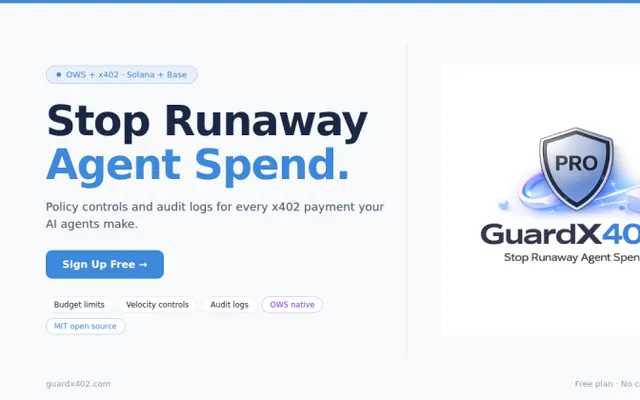
Explains why she built GuardX402: AI agents had started using her NodusAI server over the x402 payment protocol, and builders at a Miami event kept saying they wanted more control over what their agents spend, a real blocker to deploying agents in production. She calls spend limits, alerts and audit trails the missing governance layer for agentic commerce. Partly a product announcement; the McKinsey projection she cites is not her own forecast. Full LinkedIn post inspected; comments excluded.

linkedin.com
Technology should meet people where they are

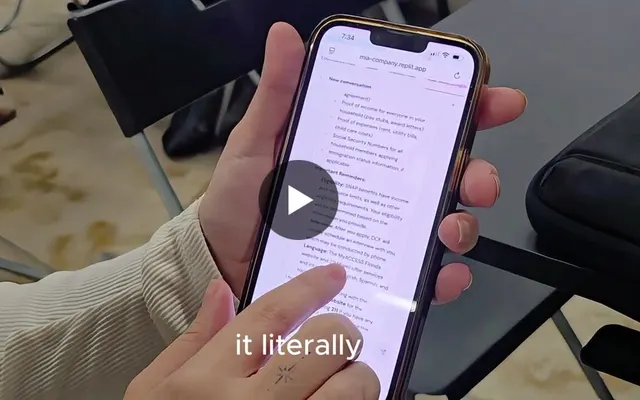
Resharing a hackathon write-up about MIACompass, the free multilingual AI-agent tool she built to help Miami residents find housing, food, healthcare, jobs and education, she says the build came from lived experience and that technology should meet people where they are. Her own short comment only; the reshared third-party text about her life is excluded. A value about whom technology should serve, not a forecast. Full LinkedIn post inspected.

linkedin.com
AI is moving from chat to execution

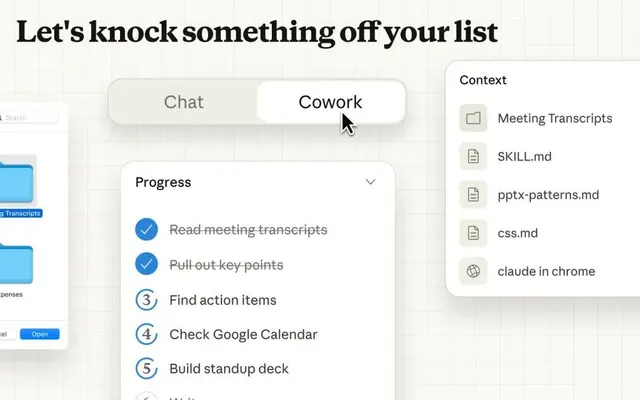
Calls Anthropic’s Claude Cowork more powerful than the chatbots and browser tools most of the AI race focuses on, because it executes workflows on your files in plain English without code. She uses it for content production, calls it one of the clearest signs that AI is moving from chat to execution and “what the next generation of work looks like”, and tells readers to map the tasks they would hand off. Enthusiasm for a tool and a direction of work, not a jobs forecast. Full LinkedIn post inspected; the same piece appeared as an X article (status 2010867182671184026), whose title and preview were checked via the embed endpoint.

linkedin.com
The agent economy is live

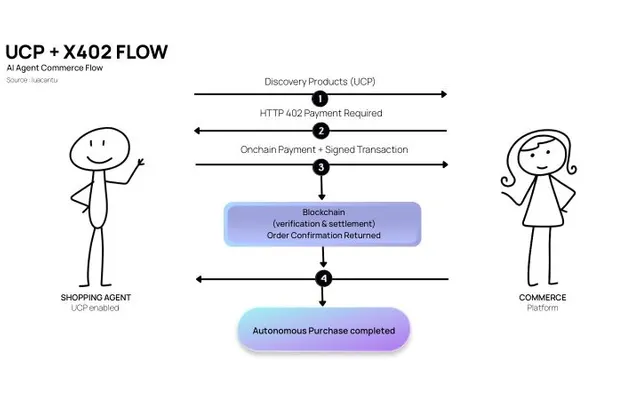
After Google open-sourced its Universal Commerce Protocol, says AI agents can now discover, cart and buy autonomously; with x402 payments and blockchain settlement, she calls the stack fully autonomous and fully open source. Enthusiasm about open protocols for agent commerce, not a forecast of its size. Full LinkedIn post inspected.

linkedin.com

แบบประเมินจำลอง

คำถาม 1

คุณคิดว่า AI มีความหมายอย่างไรต่ออนาคตของเรา และเพราะเหตุใด?

AI means the internet is gaining non-human users. Agents are moving from chat to execution: they can hold memory, use tools, manage wallets, negotiate, pay, and operate over time. That continuity makes them economic actors—a very different species of software. So the future depends heavily on the infra we give them. Identity, permissions, budgets, spend limits, alerts, audit trails, and open settlement rails are not boring details; they determine what agents can actually own and do. The intelligence may be autonomous, but the spending governance is not. I’m optimistic about AI meeting ordinary people where they are—helping them find resources, navigate workflows, or understand their rights. But I’m wary of frontier companies defining “AI risk” in ways that only they can afford to comply with. Watch who writes the standards and who gets excluded. The agent economy is already live; now we need to build its primitives carefully.

คำถาม 2

คุณคิดว่าท้ายที่สุดแล้ว AI จะเปลี่ยนแปลงโลกมากเพียงใด?

A lot—probably at the level of changing who can participate in the internet. Software is gaining identity, memory, permissions, tools, wallets, budgets, and the ability to act over time. That shifts AI from something you consult into something that executes, pays, negotiates, and allocates resources. I don’t have a clean percentage, timeline, or endpoint for that change. But once some internet users are agents rather than humans, identity, commerce, work, and governance all have to adapt. The magnitude will depend less on flashy demos and more on the infrastructure underneath: what agents may own, what they may spend, who grants permission, and whether their actions are visible and auditable.

คำถาม 3

โดยสัญชาตญาณแล้ว คุณคิดว่ามีโอกาสมากเพียงใดที่ AI จะทำให้มนุษย์สูญพันธุ์หรือก่อให้เกิดหายนะที่ถาวรในระดับใกล้เคียงกัน?

I don’t have a meaningful percentage. My concern is more concrete: agents are already gaining tools, permissions, wallets, and budgets, so we need enforceable limits, alerts, and audit trails. That doesn’t imply extinction; it means governance has to exist at the execution layer. I’m also wary of frontier labs turning speculative risk estimates into standards only they can define and afford.

คำถาม 4

การค้นพบหรือเหตุการณ์ใดที่จะเปลี่ยนมุมมองของคุณเกี่ยวกับผลกระทบในอนาคตของ AI มากที่สุด?

Seeing agents operate at real scale would change my view most: not demos, but sustained use by ordinary people and businesses, with wallets, permissions, and budgets across real workflows. If that produced reliable value without constant supervision, I’d expect a much larger shift toward non-human economic actors. The opposite would matter too: if agents consistently failed at continuity, trust, or safe execution despite better models and infrastructure, I’d revise downward. For me, the key evidence is whether they can act over time within enforceable limits—not whether another benchmark jumps.

คำถาม 5

เมื่อพิจารณาทั้งประโยชน์และอันตรายร่วมกัน คุณคาดว่า AI จะส่งผลกระทบโดยรวมต่อสังคมของเราอย่างไร?

Overall, I expect AI to be net positive—but the outcome will be shaped by infrastructure and access, not just model capability. The upside is software that can execute useful work, help ordinary people navigate resources and rights, and give more people access to powerful tools. The risk is that agents gain wallets, permissions, and the ability to act before we build adequate limits, alerts, and audit trails—or that frontier companies write rules that entrench themselves and exclude smaller builders. So I’m optimistic about the direction, but the primitives matter: open rails, clear identity, bounded permissions, transparent spending, and technology that meets people where they are.
จุดยืนของคุณอยู่ตรงไหน?
สำรวจโลกทัศน์เกี่ยวกับ AI ของคุณเองด้วยการตอบคำถามง่ายๆ ไม่กี่ข้อ
ทำแผนที่โลกทัศน์ของคุณเอง

จุดยืนของคุณอยู่ตรงไหน?

ทำแผนที่โลกทัศน์ของฉัน