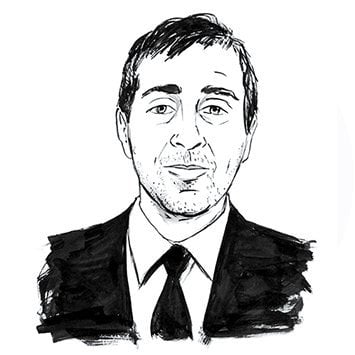
Nathan Lambert

Nathan Lambert

x.com/natolambert

Open-model researcher and Interconnects writer who expects broad gains from AI adoption, doubts runaway self-improvement and takes AI risks seriously.

AI จะเปลี่ยนแปลงโลกอย่างไร?

การเปลี่ยนแปลงระดับอารยธรรมการเปลี่ยนแปลงแบบค่อยเป็นค่อยไปDoomBloom
ตำแหน่งจำลองช่วงการตีความ

แนวนอน: มุมมอง Doom–Bloom ที่เขาแสดงออก แนวตั้ง: ระดับของการเปลี่ยนแปลง

Doom–Bloom: 74 จาก 100 ระดับของการเปลี่ยนแปลง: 47 จาก 100 ช่วงการตีความ: แนวนอนตั้งแต่ 69 ถึง 79 แนวตั้งตั้งแต่ 24 ถึง 76 ค่าเหล่านี้เป็นพิกัดสำหรับการตีความ ไม่ใช่ความน่าจะเป็นของเหตุการณ์

P(doom) ที่ Nathan Lambert ระบุ

≈0%

0%100%
“I put the probability of complete extinction as being so low it isn’t worth discussing”

Complete human extinction from AI. He separately treats AI-caused disasters (cyberattacks on critical infrastructure, bio-risks) as worth debating

One resignation turned the embers of AI fear into a wildfire · ก.ย. 2569

สิ่งที่มุมมองของเขาขึ้นอยู่กับ

ข้อสันนิษฐานหลัก

I am skeptical of runaway self-improvement because automating measurable tasks is not the same as automating the hardest parts of research.
คำตอบ 1

หากข้อสันนิษฐานนี้ปรากฏว่าเป็นไปอีกแบบ มุมมองของเขาจะเปลี่ยนไปอย่างไร?

สิ่งที่อาจเปลี่ยนความคิดของบุคคลนั้น

Fundamental discoveries produced autonomously would change that assessment.
คำตอบ 1

หลักฐานแบบใดจึงจะเพียงพอ และจะทำให้มุมมองของเขาเปลี่ยนไปในทิศทางใด?

รายละเอียดเพิ่มเติม

ผลดีที่คาดไว้

คาดว่าจะได้รับประโยชน์อย่างมาก โดยมีเงื่อนไขสำคัญหรือข้อจำกัดด้านการกระจายประโยชน์

68 / 100

ผลกระทบน้อยผลกระทบที่ก่อให้เกิดการเปลี่ยนแปลงอย่างมาก

ช่วงการตีความตั้งแต่ 67 ถึง 67 บนมาตรวัดเชิงคุณภาพ

อันตรายที่คาดไว้

ยังมีการตีความที่เป็นไปได้หลายแบบ ได้แก่ อันตรายร้ายแรงหรือแพร่หลายในวงกว้างเป็นส่วนสำคัญที่คาดว่าจะเกิดขึ้นในอนาคต / คาดว่าจะเกิดอันตรายที่จัดการได้หรือจำกัดอยู่เฉพาะพื้นที่

53 / 100

ผลกระทบน้อยผลกระทบที่ก่อให้เกิดการเปลี่ยนแปลงอย่างมาก

ช่วงการตีความตั้งแต่ 33 ถึง 67 บนมาตรวัดเชิงคุณภาพ

อิทธิพลของมนุษย์

การเลือกของมนุษย์มีอิทธิพลอย่างมีนัยสำคัญ แต่ถูกจำกัดอย่างมาก

62 / 100

อิทธิพลน้อยอิทธิพลมาก

ช่วงการตีความตั้งแต่ 47 ถึง 78 บนมาตรวัดเชิงคุณภาพ

ความเร็วในการพัฒนา

หยุดหรือชะลอการพัฒนา AI ที่มีความสามารถสูงขึ้นอย่างมาก

ตำแหน่งจำลอง: เดินหน้าพัฒนาต่อภายใต้มาตรการป้องกันที่ระบุไว้

เร่งการพัฒนา AI ที่มีความสามารถสูงขึ้น

กฎการใช้ AI

จำกัดการใช้ AI ที่กล่าวถึงจนกว่าจะมีมาตรการป้องกันหรือการอนุญาตล่วงหน้า

ตำแหน่งจำลอง: อนุญาตการใช้ AI ที่กล่าวถึง โดยมีความรับผิดรับชอบและมาตรการป้องกันที่มุ่งเป้าเฉพาะด้าน

ลดข้อจำกัดในการใช้ AI ที่กล่าวถึงให้น้อยที่สุด

การเข้าถึง AI

จำกัดการเข้าถึง AI ที่ทรงพลัง

อนุญาตให้เข้าถึงโดยมีข้อจำกัดด้านความสามารถหรือการใช้งาน

ตำแหน่งจำลอง: สนับสนุนการเข้าถึง AI ที่ทรงพลังในวงกว้างหรือแบบเปิด

การตีความเหล่านี้ยังคงเงื่อนไขที่เขาระบุไว้ ทั้งประโยชน์และอันตรายอาจมีมากได้ ช่วงต่างๆ อธิบายวิธีที่เราอ่านคำตอบจำลองของเขา ไม่ใช่ช่วงความเชื่อมั่นทางสถิติ

จุดยืนของคุณอยู่ตรงไหนเมื่อเทียบกับ Nathan Lambert?
ทำแผนที่โลกทัศน์เกี่ยวกับ AI ของคุณเองในประมาณ 3 นาที แล้วจึงเปรียบเทียบ

โลกทัศน์ที่คล้ายกัน

ผู้นำทางความคิดที่มีโลกทัศน์จำลองใกล้เคียงกับโลกทัศน์ของ Nathan Lambert มากที่สุด

แบบประเมินจำลอง

คำถาม 1

คุณคิดว่า AI มีความหมายอย่างไรต่ออนาคตของเรา และเพราะเหตุใด?

I expect AI to become an extraordinarily useful general-purpose technology, but not through a sudden, uncontrollable intelligence explosion. The near-term mechanism is more ordinary and more consequential: cheaper inference, better tools, many parallel agents, and specialized models spreading through science, software, education, and business. That can produce enormous compounding gains even if homes, institutions, and relationships remain recognizable for decades. Engineering can move quickly while adoption moves painfully slowly. I am skeptical of runaway self-improvement because automating measurable tasks is not the same as automating the hardest parts of research. Models can generate code or run thousands of experiments while still struggling to understand a field, organize established knowledge coherently, or choose genuinely good hypotheses. Fundamental discoveries produced autonomously would change that assessment. Benchmark gains and alarming stories from inside frontier labs do not establish it. The central problem is distribution. Today, benefits accrue disproportionately to technology companies, owners, and knowledge workers. If everyone else gets disruption now and vague promises of abundance later, backlash is entirely rational. Open weights, reproducible training recipes, independent research institutions, and efficient specialized models can spread both capability and scrutiny beyond a few companies. That does not mean AI is safe. Cyberattacks on critical infrastructure, biological misuse, badly specified agents, and weak monitoring are serious risks. But those concrete disasters should not be collapsed into complete human extinction, which I consider extremely unlikely. We should keep building—especially in the open—while investing much more seriously in transparency, defensive capacity, deployment oversight, and institutions that can turn technical progress into broad public benefit.

แหล่งข้อมูล

บทความ บทสัมภาษณ์ และงานเขียนที่ใช้เป็นหลักฐานรองรับผู้ใช้จำลองรายนี้

One resignation turned the embers of AI fear into a wildfire

Distinguishes extinction from serious cyber and biological disasters. Assigns complete extinction an extremely low likelihood while arguing concrete disasters deserve serious debate. Criticizes distorted lab culture and public fear dynamics without dismissing sincere researcher concern. These are his stated judgments, not independent risk measurements.

interconnects.ai
Teaching Everyone to Fish for Tokens

Argues that released weights and fully reproducible training recipes play different economic roles. Examines Nvidia’s incentive to finance open models and the possibility that open ecosystems specialize in efficient, modifiable enterprise systems instead of matching every closed frontier capability.

interconnects.ai
I wrote an AI textbook — how long until AI can do it better?

Uses his textbook-writing experience to question broad scientific autonomy: models remain weak at organizing established knowledge into coherent long-form explanations. Remains optimistic about powerful scientific assistance and narrow advances. Treats this as a diagnostic observation, not proof of an immutable capability ceiling.

interconnects.ai
GLM-5.3: How Chinese labs keep stride with the frontier

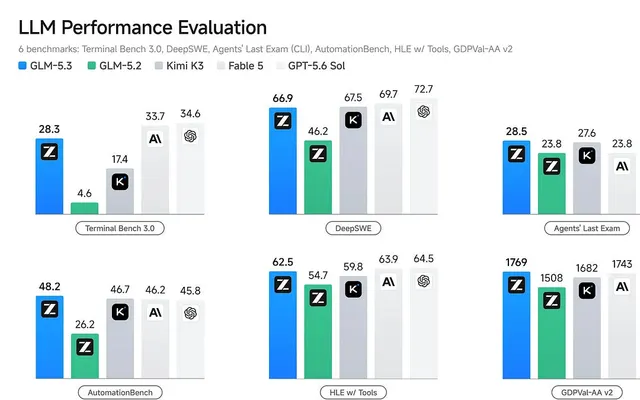
Argues Chinese frontier performance cannot be explained mainly by distillation. Emphasizes accumulated research skill and reinforcement-learning environments, infrastructure and engineering. The argument supports technical respect for Chinese labs; reported benchmarks are not his independent performance evaluation.

interconnects.ai
Farewell Ai2

Explains his public-scientist mission: clarify capabilities, sustain diverse open research and build institutions outside closed frontier labs. Treats concentration of power and narrow safety research as risks; open recipes are infrastructure that lets others ask questions one organization cannot cover.

interconnects.ai
Open and closed models are on different exponentials

Expects integrated frontier systems to command premiums for difficult knowledge work while a larger, diverse open ecosystem serves commodity-priced specialized tasks. Argues capability progress can coexist with concentration among frontier providers. Economic forecasts remain conditional arguments, not established market outcomes.

interconnects.ai
Why I still haven’t bought into true RSI

Distinguishes gains from agent parallelism and inference compute from runaway improvement. Expects diminishing returns, resource limits and difficult hypothesis generation; efficiency gains can still transform the economy. Unexpected fundamental discoveries would change his view. Discussed guests’ numerical timelines, including Ngo’s eight-year claim, are not Lambert’s own precise forecasts.

interconnects.ai
When will average people feel AI’s impact?

Expects compounding technological benefits over decades, with adoption slower than model progress. Warns that immediate gains favor knowledge workers and owners while many households see little improvement; broad distribution and visible benefits are necessary to avoid backlash. Continued development matters, but benefits are not automatic.

interconnects.ai
Lessons from the hacks

Publicly readable essay body argues that cyber incidents expose inadequate oversight and preparation without proving current alignment techniques useless. Calls for transparency about model instructions and training, independent open-model research, stronger public capacity and defensive preparation. Distinguishes dangerous consequences of following goals from an established desire to harm humanity.

interconnects.ai
The current balance of power in open models

Prepared congressional briefing published as an essay. Advocates American investment in open models for adoption, independent research and risk preparation. Recognizes misuse and the difficulty of restricting released weights, arguing that access bans can disadvantage defenders without preventing determined attackers. Distinguishes open weights from reproducible open science.

interconnects.ai
จุดยืนของคุณอยู่ตรงไหน?
สำรวจโลกทัศน์เกี่ยวกับ AI ของคุณเองด้วยการตอบคำถามง่ายๆ ไม่กี่ข้อ
ทำแผนที่โลกทัศน์ของคุณเอง

จุดยืนของคุณอยู่ตรงไหน?

ทำแผนที่โลกทัศน์ของฉัน