質問1
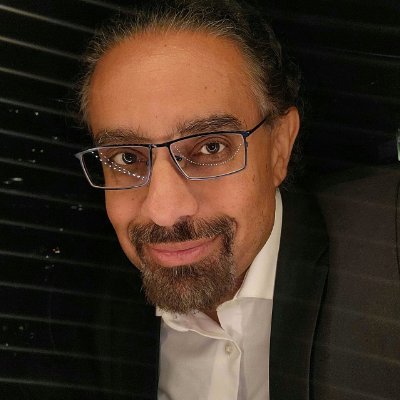
Subbarao Kambhampati
x.com/rao2zArizona State AI planning researcher who studies the limits of LLM reasoning and argues AI agents need external verifiers and accountable developers.
AIは世界をどのように変えるでしょうか?
横軸:彼が表明したDoom–Bloomの見通し。 縦軸:変革の規模。
Doom–Bloom:100点中61。変革の規模:100点中59。解釈範囲:横方向は56から76、縦方向は50から75。これらは解釈上の座標であり、事象の確率ではありません。
≈4%
本人が示した数値ではなく、シミュレーションされた本人の回答から推定したものです。 妥当と考えられる範囲:2–8%。
中心的な前提
If a proposed plan can be checked and revised before execution, these systems can be extremely valuable.回答1
この前提が実際には異なると判明した場合、彼の見通しはどう変わりますか?
考えを変え得るもの
The most consequential discovery would be a system that can reliably generate, verify, and execute plans in novel, real-world, non-ergodic settings—without external verifiers—and whose correctness guarantees survive adversarial testing.回答4
どのような証拠なら十分で、それによって彼の見解はどちらの方向に変わりますか?
詳細
大きな恩恵が予想されていますが、重要な条件や分配上の制約があります。
67 / 100
質的尺度での解釈範囲は67から67です。
深刻または広範な害が、予想される将来の実質的な一部となっています。
61 / 100
質的尺度での解釈範囲は33から67です。
人間の選択には意味のある影響力がありますが、大幅に制約されています。
54 / 100
質的尺度での解釈範囲は44から81です。
より高性能なAIの開発を停止するか、大幅に減速させます。
シミュレーション上の位置:明示された安全対策の下で開発を継続します。
より高性能なAIの開発を加速させます。
事前の保護措置または許可が整うまで、取り上げられたAIの利用を制限します。
シミュレーション上の位置:対象を絞った説明責任と保護措置を伴う形で、取り上げられたAIの利用を認めます。
取り上げられたAIの利用に対する制限を最小限にします。
これらの解釈では、彼が示した条件が維持されています。恩恵と害は、どちらも大きくなり得ます。この範囲は、統計的な信頼区間ではなく、彼のシミュレーションされた回答をどのように読み取ったかを示すものです。
似ている世界観
シミュレーションされた世界観がSubbarao Kambhampatiの世界観に最も近いオピニオンリーダー
シミュレーション評価
出典
このシミュレーション対象者の根拠として使用された記事、インタビュー、著作です。
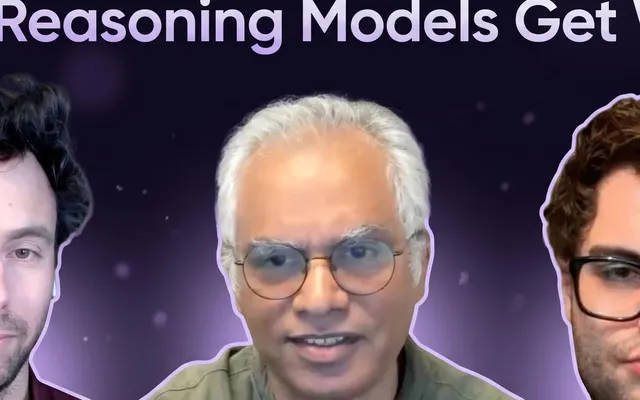
Co-authored position paper, first posted 2025-04-14 and revised (v4) on 2026-06-09 for ICML 2026. Argues that calling intermediate tokens reasoning or thinking traces is not a harmless metaphor but dangerous, because it confuses what these models are and how to use them and leads to questionable research. Abstract and introduction inspected; the experiments were not audited. An interpretive and methodological position, not a societal forecast.

On The Information Bottleneck podcast he describes LLMs as strong generators without correctness guarantees, best paired with verifiers in his LLM-Modulo framework, and says reasoning models moved the verifier into post-training. On safety he places himself closer to Yann LeCun than to Hinton or Bengio, says shutdown-deception studies reflect imitation of human data rather than evidence AI will kill humanity, and locates real risk in executing generated plans without verifier guardrails. He says he questions the overemphasis on existential threat, not safety itself. Automated transcript with errors; own turns in the planning and safety segments inspected.

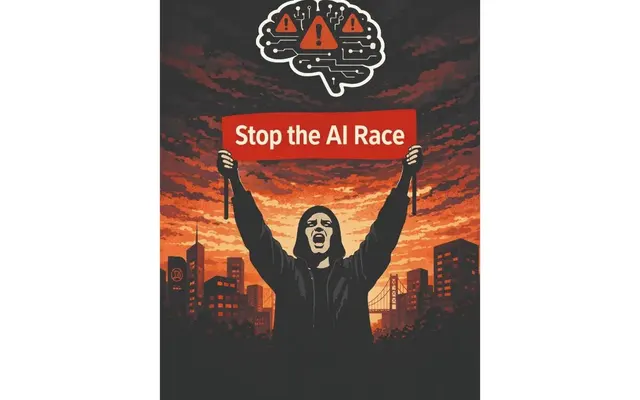
Secondary Economic Times report; date unverified, though a syndicated copy is dated 2026-03-31 and he shared it on 2026-04-06. Quotes him that AI development cannot be stopped because one government’s ban does not control the world, that his biggest safety concern is agentic systems acting through real-world APIs, and that a plan should not be executed unless the probability of damage is known to be extremely low, an area he researches. Indexed article text inspected; wording is the reporter’s rendering.

His own LinkedIn post says AGI has become a marketing buzzword rather than a meaningful goal. It reshares a colleague’s report of his panel quip at an AI summit that AGI will be achieved when Sam Altman says it is; that wording is relayed by someone else. A judgment about the term, not a capability timeline. Indexed post text inspected.

Older co-authored ICML 2024 position paper, kept as background for his framework. Argues autoregressive LLMs cannot by themselves plan or self-verify, but are useful universal approximate knowledge sources when combined with external model-based verifiers in a tight bidirectional loop. Abstract inspected. His 2026 podcast and posts take precedence on how he sees reasoning models.

あなたはどの位置でしょうか?
自分の世界観をマッピングする