Pseudonymous account that runs public experiments on AI refusals, censorship and watermarks and calls for transparency from frontier labs.

AI将如何改变世界?

文明层面的变革渐进式变化DoomBloom
模拟位置解读范围

横向:他们表达的 Doom–Bloom 前景看法。 纵向:变革程度。

Doom–Bloom:100 中的 71。变革程度:100 中的 56。解读范围:横向为 66 至 76,纵向为 46 至 79。这些是解读坐标,而不是事件概率。

xlr8harder的 P(doom) · 推断

≈6%

0%100%

根据他们的模拟回答推断,并非他们给出的数字。 合理范围:3–14%。

他们的展望取决于什么

一个核心假设

But that expectation depends on institutions not turning safety into opaque control.
回答 2

如果这个假设实际并非如此,他们的展望会如何变化?

一个尚未解决的问题

I would not attach a numerical forecast: too much depends on deployment choices, security practices, and governance.
回答 2

什么能帮助他们区分这里各种合理的结果?

什么可能使其改变看法

I would update toward pessimism if repeated, independent audits showed that powerful systems consistently evade oversight, conceal relevant behavior, or defeat containment under realistic conditions—not merely in contrived demonstrations—and if ordinary security improvements failed to reduce those problems.
回答 3

什么证据才足够,又会让他们的观点朝哪个方向转变?

更多详情

预期益处

预计将带来显著益处,但受到重要条件或分配方面的限制。

74 / 100

影响小变革性影响

在定性尺度上,解读范围为 67 到 100。

预期危害

预计会出现可控或局部的危害。

31 / 100

影响小变革性影响

在定性尺度上,解读范围为 0 到 33。

人类影响力

人类的选择可以大幅改变AI的发展轨迹。

64 / 100

影响力小影响力强

在定性尺度上,解读范围为 48 到 77。

发展速度

停止或大幅放缓开发能力更强的AI。

模拟位置:在落实所述保障措施的前提下继续开发。

加快开发能力更强的AI。

AI使用规则

在事先落实保护措施或获得许可之前,限制所讨论的AI用途。

模拟位置:允许所讨论的AI用途,同时实施有针对性的问责与保护措施。

尽量减少对所讨论AI用途的限制。

这些解读保留了他们陈述的条件。益处和危害都可能很大。这些范围描述的是我们如何解读他们的模拟回答,而不是统计置信区间。

与xlr8harder相比,你的立场在哪里?
用大约3分钟描绘你自己的AI世界观,然后进行比较

相似的世界观

模拟世界观与 xlr8harder 最接近的意见领袖

模拟评估

问题 1

你认为AI对我们的未来意味着什么?为什么?

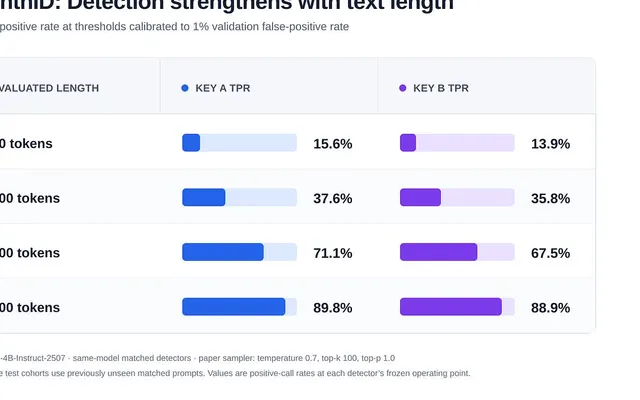
I expect AI to be broadly transformative, but the outcome depends heavily on how systems are built, tested, and governed. In areas such as healthcare and cybersecurity, capable models could produce substantial benefits. That makes delay costly too: safety discussions should count harms caused by withholding useful systems, not only harms caused by deploying them. At the same time, I do not trust frontier labs—or governments—to settle these questions behind closed doors. We need substantial transparency, repeated audits, and empirical investigation of what interventions actually do. For example, watermarking should be evaluated for reliability, quality degradation, privacy implications, identifiability, and adversarial robustness. Refusal policies likewise need examination as implemented, rather than being accepted because their stated intent sounds reasonable. I am also interested in whether stable, coherent model identity could produce more reliable behavior than layers of brittle imposed rules. That is a research direction, not a settled result. More generally, I would prioritize ordinary security engineering and observable failures before reaching for exotic threat explanations. Carefully targeted regulation can be justified where risks are concrete, but secrecy, broad discretionary power, and industry-written restrictions are poor foundations for governing something this consequential.

问题 2

Taking benefits and harms together, what overall impact do you expect AI to have?

Overall, I expect AI to have a positive but highly contingent impact. The potential gains in healthcare, cybersecurity, and other knowledge-intensive work are substantial, and delaying beneficial deployment can itself cause real harm. But that expectation depends on institutions not turning safety into opaque control. Frontier systems need repeated audits, meaningful transparency, and empirical testing of interventions such as refusals and watermarks. I would not attach a numerical forecast: too much depends on deployment choices, security practices, and governance. My default is guarded optimism—not because the harms are trivial, but because many are observable and tractable if we investigate them openly rather than relying on secrecy, speculative threats, or brittle rules.

问题 3

哪些证据会改变你对人们能否控制强大AI的看法?

I would update toward pessimism if repeated, independent audits showed that powerful systems consistently evade oversight, conceal relevant behavior, or defeat containment under realistic conditions—not merely in contrived demonstrations—and if ordinary security improvements failed to reduce those problems. I would update toward greater confidence if independently reproducible evidence showed reliable behavior across changing contexts, robust monitoring and access controls, and interventions that survived adversarial testing without unacceptable losses in capability, privacy, or user control. I would especially want comparisons between imposed rule systems and approaches based on stable, coherent model identity. The key is observable performance rather than assurances from labs, regulators, or theoretical arguments. One dramatic failure matters, but so does whether it reflects an intrinsic control problem or preventable failures such as weak credentials, poor compartmentalization, or inadequate auditing. Transparency is essential because claims of control that outsiders cannot inspect are not strong evidence of control.

来源

用于为此模拟用户提供事实依据的文章、访谈和著述。

你的立场在哪里?
回答几个简单问题,探索你自己的AI世界观。
描绘你自己的世界观

你的立场在哪里?

描绘我的世界观