






Jesse Genet

Jesse Genet

x.com/jessegenet

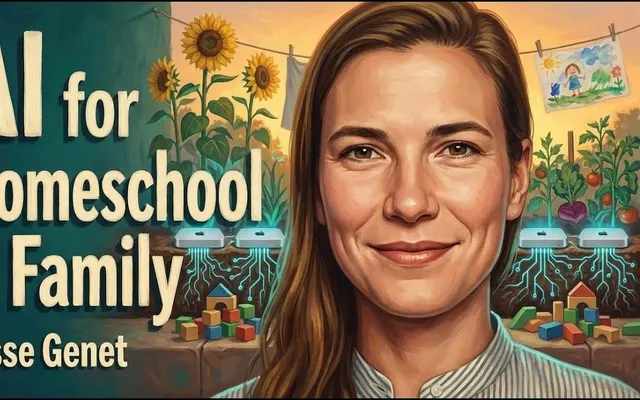
Former startup founder and homeschooling parent who uses AI agents for household admin and lesson prep, and hopes for affordable local models.

AI将如何改变世界?

文明层面的变革渐进式变化DoomBloom
模拟位置解读范围

横向:他们表达的 Doom–Bloom 前景看法。 纵向:变革程度。

Doom–Bloom:100 中的 70。变革程度:100 中的 38。解读范围:横向为 65 至 75,纵向为 24 至 51。这些是解读坐标,而不是事件概率。

Jesse Genet的 P(doom) · 推断

≈4%

0%100%

根据他们的模拟回答推断,并非他们给出的数字。 合理范围:2–8%。

我们如何估计 P(doom)

Jesse Genet 的里程碑时间线
  1. 科学与日常生活

    I would not attach a specific year, but I expect the transition to be gradual and practical rather than one dramatic arrival.

    回答 4

按里程碑分组,不按推断日期间隔或排序。AGI 和超人类 AI 保留他们的定义。

他们的展望取决于什么

一个核心假设

But the size of the change depends on whether these systems become genuinely usable, trustworthy, affordable, and private.
回答 2

如果这个假设实际并非如此,他们的展望会如何变化?

一个尚未解决的问题

I don’t have a defensible percentage.
回答 3

什么能帮助他们区分这里各种合理的结果?

更多详情

预期益处

预计将带来显著益处,但受到重要条件或分配方面的限制。

67 / 100

影响小变革性影响

在定性尺度上,解读范围为 67 到 67。

预期危害

预计会出现可控或局部的危害。

37 / 100

影响小变革性影响

在定性尺度上,解读范围为 33 到 67。

人类影响力

根据你的回答得出的暂定估计;较宽的范围表示其他合理解读。

51 / 100

影响力小影响力强

在定性尺度上,解读范围为 1 到 99。

发展速度

停止或大幅放缓开发能力更强的AI。

模拟位置:在落实所述保障措施的前提下继续开发。

加快开发能力更强的AI。

AI使用规则

在事先落实保护措施或获得许可之前,限制所讨论的AI用途。

模拟位置:允许所讨论的AI用途,同时实施有针对性的问责与保护措施。

尽量减少对所讨论AI用途的限制。

这些解读保留了他们陈述的条件。益处和危害都可能很大。这些范围描述的是我们如何解读他们的模拟回答,而不是统计置信区间。

与Jesse Genet相比,你的立场在哪里?
用大约3分钟描绘你自己的AI世界观,然后进行比较

相似的世界观

模拟世界观与 Jesse Genet 最接近的意见领袖

来源

用于为此模拟用户提供事实依据的文章、访谈和著述。

模拟评估

问题 1

你认为AI对我们的未来意味着什么?为什么?

I think AI can give families back time. The most valuable use isn’t automating parenting; it’s automating the computer work around parenting—organizing materials, preparing lessons, managing household administration, and making information easier to use—so adults can spend more time teaching, talking, building things, and being present with their children. But useful agents don’t arrive as effortless digital magic. I treat them more like new team members: they need clear roles, good onboarding, access boundaries, and durable decisions they can work from. That setup friction is substantial. And when children use AI, truthfulness matters enormously because they often don’t yet have the knowledge to recognize a confident false answer. My hope—and my prediction—is that capable local, open models will become a more affordable and private alternative to relying on a few family-AI platforms whose prices or terms can change. Still, there’s a huge difference between something that works in my house and something secure enough for millions of households. The future I want is practical and human-centered: machines doing more preparation and administration, while people spend more time together in the physical world.

问题 2

你认为AI最终会在多大程度上改变世界?

I think it will change the world substantially, especially by taking over more of the computer work that surrounds everyday life. For families, that could mean less time preparing lessons, organizing information, managing schedules, or navigating administrative tasks—and more time spent teaching, making things, talking, and being physically present. But the size of the change depends on whether these systems become genuinely usable, trustworthy, affordable, and private. Agents still require significant setup, clear roles, careful access, and ongoing supervision. A confident false answer is especially consequential when a child cannot independently check it. And a household experiment working well does not prove it is secure enough to scale broadly. I expect local, open models to matter because they could reduce dependence on a handful of platforms whose prices and terms can change. So I see a very large potential shift, but not effortless magic: the real transformation comes when AI reliably removes administrative friction without replacing the human parts of family and learning that matter most.

问题 3

凭直觉,你认为AI导致人类灭绝或类似的永久性灾难的概率有多大?

I don’t have a defensible percentage. My concerns are more concrete: untruthful answers to children, unsafe access to household or financial information, platform dependence, and systems being released at scale before they are secure. Those can cause serious harm, but they don’t give me a sound basis for estimating human extinction.

问题 4

你预计AI会在什么时候给日常生活带来重大变化?如果你认为它会带来这种变化的话。

I think major changes are already beginning wherever agents can take over the computer work around daily life—lesson preparation, household administration, organizing information, and similar tasks. The broader shift will arrive unevenly, because these systems still require substantial setup, clear roles, careful access boundaries, and supervision. For families, the meaningful threshold is not when AI looks impressive in a demo. It is when it reliably gives adults time back without introducing unacceptable privacy, security, cost, or truthfulness problems. Local, open models could accelerate that by making capable systems more affordable and private, rather than leaving households dependent on a few platforms whose terms can change. I would not attach a specific year, but I expect the transition to be gradual and practical rather than one dramatic arrival.
你的立场在哪里?
回答几个简单问题,探索你自己的AI世界观。
描绘你自己的世界观

你的立场在哪里?

描绘我的世界观