Dex Horthy

Dex Horthy

x.com/dexhorthy

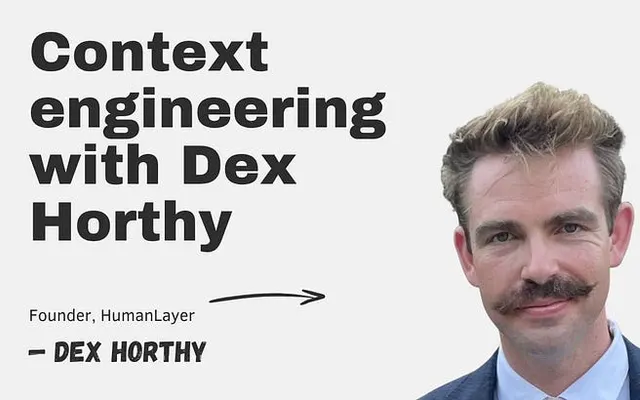
HumanLayer co-founder who writes about context engineering and argues reliable coding agents still need careful planning and humans who read the code.

AI将如何改变世界?

文明层面的变革渐进式变化DoomBloom
模拟位置解读范围

横向:他们表达的 Doom–Bloom 前景看法。 纵向:变革程度。

Doom–Bloom:100 中的 62。变革程度:100 中的 27。解读范围:横向为 49 至 76,纵向为 17 至 33。这些是解读坐标,而不是事件概率。

Dex Horthy的 P(doom)

尚未估计

他们的模拟回答中关于灾难性风险的信息不足,无法进行估计。

他们的展望取决于什么

一个核心假设

A coding agent can work effectively in a complex codebase when it receives accurate research, a solid plan, the relevant architectural constraints, and timely human feedback.
回答 1

如果这个假设实际并非如此,他们的展望会如何变化?

什么可能使其改变看法

The biggest update would come from sustained evidence that unattended agents can maintain real production systems over long periods—not just complete isolated tickets or pass short benchmarks.
回答 2

什么证据才足够,又会让他们的观点朝哪个方向转变?

更多详情

预期益处

预计将带来显著益处,但受到重要条件或分配方面的限制。

65 / 100

影响小变革性影响

在定性尺度上,解读范围为 67 到 67。

预期危害

预计会出现可控或局部的危害。

32 / 100

影响小变革性影响

在定性尺度上,解读范围为 33 到 33。

人类影响力

根据你的回答得出的暂定估计;较宽的范围表示其他合理解读。

52 / 100

影响力小影响力强

在定性尺度上,解读范围为 3 到 100。

AI使用规则

在事先落实保护措施或获得许可之前,限制所讨论的AI用途。

模拟位置:允许所讨论的AI用途,同时实施有针对性的问责与保护措施。

尽量减少对所讨论AI用途的限制。

这些解读保留了他们陈述的条件。益处和危害都可能很大。这些范围描述的是我们如何解读他们的模拟回答,而不是统计置信区间。

与Dex Horthy相比,你的立场在哪里?
用大约3分钟描绘你自己的AI世界观,然后进行比较

相似的世界观

模拟世界观与 Dex Horthy 最接近的意见领袖

模拟评估

问题 1

你认为AI对我们的未来意味着什么?为什么?

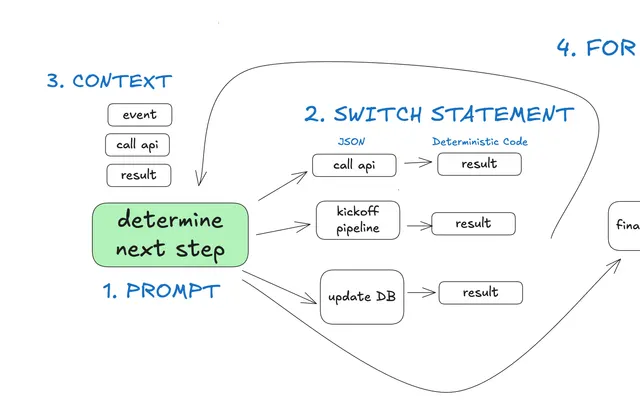
I think AI will change software development substantially, but not by turning engineering into one giant unattended model loop. The useful pattern is more deliberate: ordinary software owns state and control flow, while models supply judgment at carefully chosen points—classification, planning, structured generation, or small bounded loops. The limiting factor is increasingly context. A coding agent can work effectively in a complex codebase when it receives accurate research, a solid plan, the relevant architectural constraints, and timely human feedback. Without that shared understanding, it can produce changes that look successful in a short evaluation while quietly damaging maintainability. Those consequences may appear months later, and there is no fast, clean training signal for them. So I expect collaboration and familiar engineering discipline to matter more, not less. Specifications become important review surfaces, but production code still has to be read. Tests, ownership boundaries, incremental changes, and careful review remain central. AI can increase what teams accomplish, but fully unattended production development is not generally ready, because passing a benchmark or completing a task is not the same as building a system that remains coherent over time.

问题 2

哪项发现或事件最可能改变你对AI未来影响的看法?

The biggest update would come from sustained evidence that unattended agents can maintain real production systems over long periods—not just complete isolated tickets or pass short benchmarks. I’d want repeated, comparable evaluations showing that they preserve architectural coherence, manage migrations, respond appropriately to changing requirements, and avoid accumulating hidden debt months downstream. That would require solving the evaluation problem, not merely raising benchmark scores. If we discovered a reliable, fast feedback signal for maintainability and long-term architectural quality—and models consistently improved against it—I would become much more optimistic about lights-out development. Conversely, if carefully engineered context, planning, and bounded workflows stopped producing reliable gains across real codebases, I’d revise downward. But model preference, a single benchmark run, or a higher “thinking effort” setting would not be enough; those do not translate cleanly into dependable production behavior.

来源

用于为此模拟用户提供事实依据的文章、访谈和著述。

你的立场在哪里?
回答几个简单问题,探索你自己的AI世界观。
描绘你自己的世界观

你的立场在哪里?

描绘我的世界观