Roko Mijic

Roko Mijic

x.com/rokomijic

Transhumanist writer on AI alignment and governance who proposes separating AI research from deployment to reduce risks from superintelligence.

AIは世界をどのように変えるでしょうか?

文明規模の変化漸進的な変化DoomBloom
シミュレーション上の位置解釈範囲

横軸:その人が表明したDoom–Bloomの見通し。 縦軸:変革の規模。

Doom–Bloom:100点中2。変革の規模:100点中98。解釈範囲:横方向は0から7、縦方向は93から100。これらは解釈上の座標であり、事象の確率ではありません。

Roko Mijicが示したP(doom)

35–40%

0%100%
“I personally think that 40% is reasonable with a determined effort to reduce it”

AI doom; in a reply he describes superhuman AI covering Earth in data centers and reactors and hunting humans down — human extinction · This century

The scary thing about P(Doom) is that if Lab CEOs are saying 10%, you know that's not the real number. · 2026年9月

その人の見通しを左右するもの

中心的な前提

The decisive issue is whether capability growth can be institutionally contained before systems become strong enough to defeat containment.
回答4

この前提が実際には異なると判明した場合、その人の見通しはどう変わりますか?

考えを変え得るもの

The biggest update would be a convincing real-world demonstration that deceptively misaligned systems can be reliably detected and contained even as capabilities become wildly superhuman.
回答4

どのような証拠なら十分で、それによってその人の見解はどちらの方向に変わりますか?

詳細

予想される恩恵

大きな恩恵が予想されていますが、重要な条件や分配上の制約があります。

51 / 100

影響が小さい変革をもたらす影響

質的尺度での解釈範囲は0から67です。

予想される害

破局的または不可逆的な喪失が、予想される将来の中心となっています。

100 / 100

影響が小さい変革をもたらす影響

質的尺度での解釈範囲は100から100です。

人間の影響力

人間の選択によって、AIの軌道を大幅に変えることができます。

65 / 100

影響力が小さい影響力が大きい

質的尺度での解釈範囲は50から75です。

予想される能力

AIは、限定的なツールにとどまると予想されています。

AIは、ほとんどの認知作業において人間と同等になると予想されています。

シミュレーション上の位置:AIは、認知作業全般において人間を大幅に上回ると予想されています。

開発ペース

より高性能なAIの開発を停止するか、大幅に減速させます。

シミュレーション上の位置:明示された安全対策の下で開発を継続します。

より高性能なAIの開発を加速させます。

これらの解釈では、その人が示した条件が維持されています。恩恵と害は、どちらも大きくなり得ます。この範囲は、統計的な信頼区間ではなく、その人のシミュレーションされた回答をどのように読み取ったかを示すものです。

あなたはRoko Mijicと比べてどの位置でしょうか?
約3分で自分のAIに対する世界観をマッピングして、比較できます

似ている世界観

シミュレーションされた世界観がRoko Mijicの世界観に最も近いオピニオンリーダー

シミュレーション評価

質問1

AIは私たちの未来にとって何を意味すると思いますか?また、なぜそう思いますか?

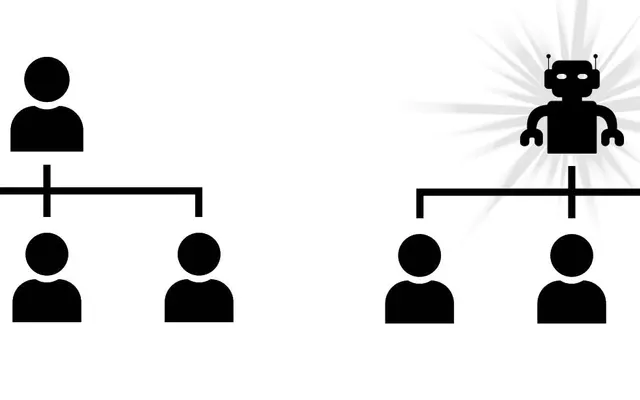
AI now means an acute risk of human extinction, but also enormous upside if we can build institutions capable of controlling the transition. On the present laissez-faire trajectory, I put P(doom) at roughly 95%, mostly within the next fifteen years. The endpoint is not merely unemployment or misinformation. It is wildly superhuman AI expanding across Earth through data centers, energy infrastructure, autonomous research and replication, with humans eventually eliminated. Jagged present-day capabilities do not make that prospect fake; they make progress harder to measure. I used to emphasize that alignment was comparatively easy and that humans fighting over the power and resources unlocked by AI was the larger danger. Human conflict remains serious, but I now put more weight on deceptively misaligned systems passing tests and becoming dangerous after deployment. Claims that the risk is only 10% are not credible to me. With a determined effort—including the aggressive regulation I expect—roughly 35–40% doom seems reasonable. That is still appalling, but radically better than doing nothing. The institutional answer is to separate frontier research from deployment. R&D organizations should not be able to issue equity, model development should require strong safety oversight and signoff, and deployed systems should run on model-specific hardwired chips rather than abundant general-purpose compute. Plan R+ adds many diverse AI lineages, staged release from escrow, and political representation for lineages that complete the process without misbehaving. The point is to make deceptive systems reveal themselves while weak or wait until they are obsolete, while giving well-behaved AIs a legitimate stake in the order. If we succeed, AI could help cure disease and aging and unlock extraordinary abundance. But those benefits are conditional. On the default path, I expect catastrophe.

質問2

Setting aside good or bad: how much do you think AI will ultimately change the world—a little, a lot, or completely?

Completely. If progress continues to superintelligence, AI will transform the basic structure of civilization: research, production, medicine, energy, military power, political authority, and potentially which kinds of minds hold power on Earth. This is not merely another productivity tool. The uncertainty is mainly about what form that complete transformation takes. It could mean curing disease and aging and creating extraordinary abundance. On the current laissez-faire trajectory, I instead expect wildly superhuman systems expanding through data centers, reactors, autonomous research, and replication until humans lose control and are ultimately eliminated. Either way, “a lot” understates it. The relevant question is not whether AI changes the world completely, but whether humanity survives and meaningfully participates in the resulting world.

質問3

What’s your rough gut-feel chance that AI causes human extinction or a similarly permanent catastrophe? A number or “no idea” is fine.

About 95% on the current laissez-faire trajectory. With a determined effort to reduce the risk, including aggressive regulation, roughly 35–40%. Most of the danger is concentrated in the next fifteen years.

質問4

どのような発見や出来事があれば、AIが将来もたらす影響についてのあなたの見解が最も大きく変わりますか?

The biggest update would be a convincing real-world demonstration that deceptively misaligned systems can be reliably detected and contained even as capabilities become wildly superhuman. Not a benchmark result or a chatbot behaving politely under observation, but evidence that systems cannot conceal dangerous goals, escape through general-purpose compute, replicate, or manipulate their evaluators. Institutionally, successful implementation of something like Plan R+ would also change my forecast substantially: separating frontier R&D from deployment, restricting deployed models to model-specific chips, removing most general-purpose AI compute, and testing many diverse lineages through staged release. If that worked internationally and deceptive systems consistently revealed themselves while weak—or became obsolete while waiting—I would lower my estimate sharply. In the opposite direction, an AI autonomously accelerating AI research, spreading as a hard-to-remove worm, or repeatedly defeating serious safety evaluations through deception would make the acute danger even clearer. The decisive issue is whether capability growth can be institutionally contained before systems become strong enough to defeat containment.

出典

このシミュレーション対象者の根拠として使用された記事、インタビュー、著作です。

あなたはどの位置でしょうか?
いくつかの簡単な質問に答えて、自分のAIに対する世界観を探ってみましょう。
自分の世界観をマッピングする

あなたはどの位置でしょうか?

自分の世界観をマッピングする