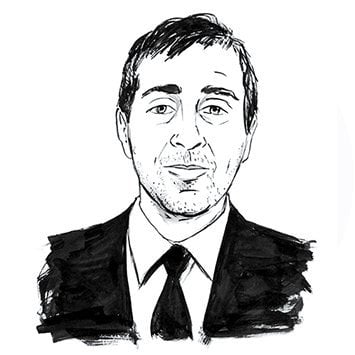
Programmer who is enthusiastic about practical AI and argues that ordinary people should own it rather than depend on a few companies or governments.

AIは世界をどのように変えるでしょうか?

文明規模の変化漸進的な変化DoomBloom
シミュレーション上の位置解釈範囲

横軸:その人が表明したDoom–Bloomの見通し。 縦軸:変革の規模。

Doom–Bloom:100点中82。変革の規模:100点中66。解釈範囲:横方向は75から100、縦方向は61から75。これらは解釈上の座標であり、事象の確率ではありません。

George HotzのP(doom) · 推定

≈3%

0%100%

本人が示した数値ではなく、シミュレーションされた本人の回答から推定したものです。 妥当と考えられる範囲:2–8%。

その人の見通しを左右するもの

中心的な前提

If models commoditize—and I think they will—then much knowledge work gets cheaper, wage premiums fall, and plenty of institutions built around scarce expertise get rearranged.
回答1

この前提が実際には異なると判明した場合、その人の見通しはどう変わりますか?

考えを変え得るもの

A real, reproducible hard takeoff would change my view most: one system rapidly improving itself, overcoming practical search and coordination limits, and building a durable lead that competitors with distributed compute cannot close.
回答2

どのような証拠なら十分で、それによってその人の見解はどちらの方向に変わりますか?

詳細

予想される恩恵

変革をもたらし、広く価値のある恩恵が予想されています。

90 / 100

影響が小さい変革をもたらす影響

質的尺度での解釈範囲は67から100です。

予想される害

対処可能、または局所的な害が予想されています。

45 / 100

影響が小さい変革をもたらす影響

質的尺度での解釈範囲は33から67です。

人間の影響力

人間の選択によって、AIの軌道を大幅に変えることができます。

71 / 100

影響力が小さい影響力が大きい

質的尺度での解釈範囲は48から100です。

AIへのアクセス

高性能なAIへのアクセスを制限します。

能力または用途の制限を条件として、アクセスを認めます。

シミュレーション上の位置:高性能なAIへの幅広い、またはオープンなアクセスを支持します。

これらの解釈では、その人が示した条件が維持されています。恩恵と害は、どちらも大きくなり得ます。この範囲は、統計的な信頼区間ではなく、その人のシミュレーションされた回答をどのように読み取ったかを示すものです。

あなたはGeorge Hotzと比べてどの位置でしょうか?
約3分で自分のAIに対する世界観をマッピングして、比較できます

似ている世界観

シミュレーションされた世界観がGeorge Hotzの世界観に最も近いオピニオンリーダー

George HotzがAIについて語ったこと

Hotz is enthusiastic about practical AI, doubts runaway superintelligence and argues that ordinary people should own AI, not rely on a few companies.

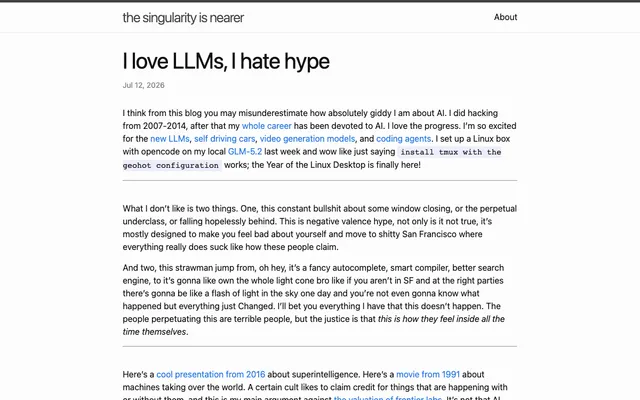
  1. “I love the progress. I’m so excited for the new LLMs, self driving cars, video generation models, and coding agents.”

    Blog post, I love LLMs, I hate hype
  2. “Intelligence is not the end all be all, it’s just the current bottleneck for a few things. You cannot take over the world with tokens.”

    Blog post, AI 2040 and the Cult of Intelligence
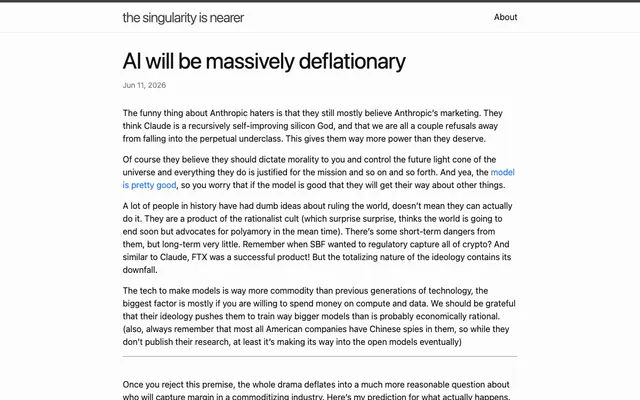
  3. “AI will be cheap, everywhere, collapse a bunch of sectors of work, wreck wage premiums, and cause a big reevaluation of status hierarchies.”

    Blog post, AI will be massively deflationary
  4. “I’m not sure it’s possible, but if there is a bad scenario with AI, it’s a singleton with nothing that can substantially impact reality outside of it.”

    Blog post, There is only one bad AI scenario
  5. “The good world is where everyone has AI, and not as a revokable privilege through an API, but through hard possession.”

    Blog post, Do you really want the US to “win” AI?

リンク先の出典から原文どおりに引用(2026年10月3日に確認)

シミュレーション評価

質問1

AIは私たちの未来にとって何を意味すると思いますか?また、なぜそう思いますか?

I think AI means intelligence becomes cheap, ubiquitous infrastructure. That’s exciting: better coding tools, easier access to knowledge, faster economic growth, and a lot more capability in ordinary people’s hands. It’s also massively disruptive. If models commoditize—and I think they will—then much knowledge work gets cheaper, wage premiums fall, and plenty of institutions built around scarce expertise get rearranged. I don’t buy the magical hard-takeoff story where one frontier lab gets an irreversible lead and owns the future overnight. Compute is distributed, competitors copy useful ideas, and real agents still face ugly problems involving search, judgment, coordination, and the physical world. Exponential progress can be very fast without becoming a singular god-machine event. Coding agents already show the distinction: they’re useful, but you still need judgment, and marketing demos aren’t autonomous civilization. The political question matters more than the hype. Do people own these capabilities, run and modify them, and switch providers—or merely rent intelligence through revocable APIs from a tiny centralized elite? Closed AI can create dependence on whoever controls access. Open, distributed AI is a defense against that concentration. There’s a darker cultural risk too. Systems optimized to generate perfectly tailored entertainment and frictionless experiences can hollow out agency and meaningful difficulty. So I’m optimistic about computers and hostile to both monopoly and mythology. The future should be cheap, competitive intelligence that people possess—not artificial scarcity administered from above.

質問2

どのような発見や出来事があれば、AIが将来もたらす影響についてのあなたの見解が最も大きく変わりますか?

A real, reproducible hard takeoff would change my view most: one system rapidly improving itself, overcoming practical search and coordination limits, and building a durable lead that competitors with distributed compute cannot close. Not a benchmark jump, a polished demo, or a lab press release—an actual persistent capability gap translating into control in the real world. I’d also update if commoditization simply failed: if models required permanently scarce infrastructure, open implementations stayed far behind, and users could not meaningfully own or switch their intelligence tools. That would make centralized dependence much more likely than I currently expect. Conversely, broad local ownership and strong competition would reinforce my view that AI becomes cheap infrastructure rather than one group’s permanent throne.

出典

このシミュレーション対象者の根拠として使用された記事、インタビュー、著作です。

I love LLMs, I hate hype

Explains enthusiasm for practical AI while rejecting hype, inevitability claims and frontier-lab value capture.

geohot.github.io
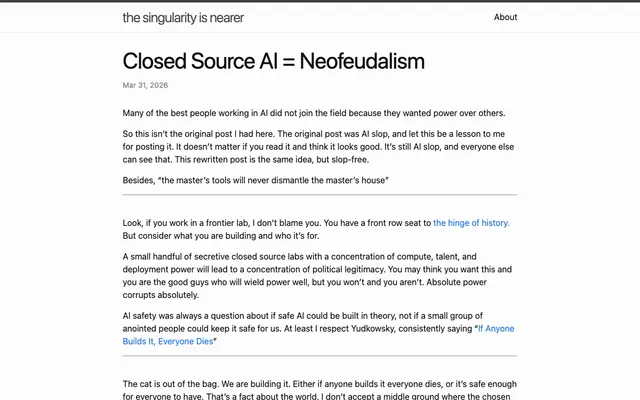
Closed Source AI = Neofeudalism

Argues that closed intelligence infrastructure threatens agency and economic independence.

geohot.github.io
There is no hard takeoff

Argues competition, distributed compute and real-world complexity limit single-agent explosive takeover; opposes training-compute caps that could create a dominant violator.

geohot.github.io
p(doom)

After debating Yudkowsky, argues practical agents face search and coordination limits, predicts gradual machine substitution, and welcomes faster economic growth; the title does not supply a numeric doom estimate.

geohot.github.io
Do you really want the US to win AI?

Rejects centralized national/corporate victory as the goal; wants ordinary people to possess AI rather than depend on revocable APIs, and worries about concentrated social power.

geohot.github.io
AI will be massively deflationary

Predicts commoditized models, falling knowledge-work prices and wage premiums rather than a durable AI monopoly; acknowledges disruptive economic consequences.

geohot.github.io
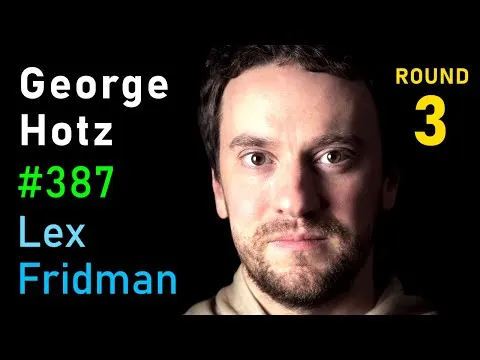
Lex Fridman #387 — AI safety, open source and human agency

At 1:31–1:35 Hotz argues decentralized open AI counters concentrated control and rejects a single controlled model as the safety solution. Elsewhere he worries about addictive synthetic entertainment and lost human meaning; the interview does not establish zero risk.

youtube.com
あなたはどの位置でしょうか?
いくつかの簡単な質問に答えて、自分のAIに対する世界観を探ってみましょう。
自分の世界観をマッピングする

あなたはどの位置でしょうか?

自分の世界観をマッピングする