質問1
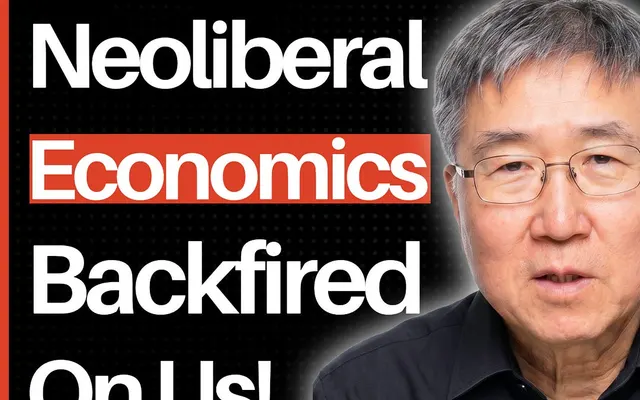
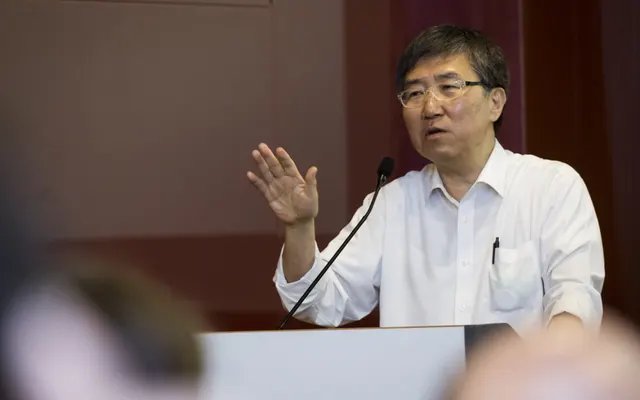
Ha-Joon Chang
SOASDevelopment economist who argues that public choices and institutions should shape AI’s uses and benefits.
AIは世界をどのように変えるでしょうか?
横軸:彼が表明したDoom–Bloomの見通し。 縦軸:変革の規模。
Doom–Bloom:100点中38。変革の規模:100点中49。解釈範囲:横方向は25から50、縦方向は15から100。これらは解釈上の座標であり、事象の確率ではありません。
≈5%
本人が示した数値ではなく、シミュレーションされた本人の回答から推定したものです。 妥当と考えられる範囲:3–10%。
中心的な前提
When railways or electricity transformed economies, the outcomes depended on investment in skills, organizations and public infrastructure—not simply on the invention itself.回答1
この前提が実際には異なると判明した場合、彼の見通しはどう変わりますか?
未解決の問い
Much of the current investment looks speculative, and I expect that bubble to burst, although I would not pretend to know when.回答1
ここで考えられる結果を彼が見分けるうえで、何が役立ちますか?
考えを変え得るもの
Evidence that democratic institutions could reliably restrain harmful uses, limit fabricated information and distribute productivity gains would strengthen my confidence.回答4
どのような証拠なら十分で、それによって彼の見解はどちらの方向に変わりますか?
詳細
複数の解釈が依然として妥当です:大きな恩恵が予想されていますが、重要な条件や分配上の制約があります。 / 恩恵は限定的、または狭い範囲にしか行き渡らないと予想されています。
51 / 100
質的尺度での解釈範囲は33から67です。
深刻または広範な害が、予想される将来の実質的な一部となっています。
65 / 100
質的尺度での解釈範囲は67から67です。
人間の選択によって、AIの軌道を大幅に変えることができます。
79 / 100
質的尺度での解釈範囲は50から100です。
事前の保護措置または許可が整うまで、取り上げられたAIの利用を制限します。
シミュレーション上の位置:対象を絞った説明責任と保護措置を伴う形で、取り上げられたAIの利用を認めます。
取り上げられたAIの利用に対する制限を最小限にします。
これらの解釈では、彼が示した条件が維持されています。恩恵と害は、どちらも大きくなり得ます。この範囲は、統計的な信頼区間ではなく、彼のシミュレーションされた回答をどのように読み取ったかを示すものです。
似ている世界観
シミュレーションされた世界観がHa-Joon Changの世界観に最も近いオピニオンリーダー
Ha-Joon ChangがAIについて語ったこと
Chang treats AI as mental-labor automation and argues that public choices should govern its uses and benefits.
“But it needs to be regulated for the benefit of the broader society.”
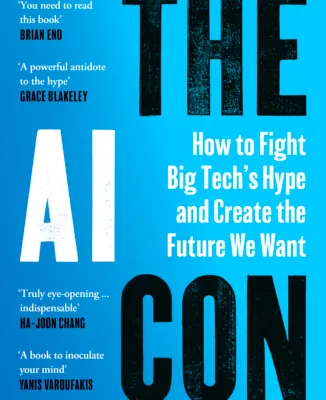
The Front Row Podcast, interview with Keith Yap “A truly eye-opening book for those who want to fight for a more humane economy and a better society”
The AI Con endorsement, publisher’s 2025 edition “So on the whole I’m not too worried about A.I. destroying jobs, because it will also create jobs.”
Buenos Aires Herald, interview with Estefanía Pozzo and Amy Booth
リンク先の出典から原文どおりに引用(2026年10月3日に確認)
シミュレーション評価
出典
このシミュレーション対象者の根拠として使用された記事、インタビュー、著作です。
Named transcript inspected. Calls investment a demand-ahead bubble without a burst date; favors practical mental-labor automation over speculative AGI stories. AI is public infrastructure needing strict regulation; ownership is optional. Fabricated references illustrate how misinformation could undermine society. Do not drop that substantial-harm warning when preserving his bounded-tool view.

Complete attributed endorsement inspected on the publisher’s 2025 ebook page. Praises Bender and Hanna’s critique as useful for a humane economy and society; rejects treating the purported AI transformation as something people must passively accept. This is a short corroborating anchor, not a substantive interview, technical argument, or blanket adoption of the book’s claims. Date is the edition’s publication date; the endorsement’s recording date is not supplied.

Older direct interview inspected, especially the final AI answer. Places AI in capitalism’s continuing history of automation: jobs disappear and new jobs arise. Criticizes professional-class concern arriving when their own work is exposed. Calls for regulation of prejudices embedded by a narrow developer demographic. Does not guarantee painless transitions or specify future capabilities.

Older Polish-language interview inspected; English summaries are paraphrases, not quotations. Routine automation can free creative effort, while narrow cultural perspectives create ethical problems. Text, code and music-video tools do not themselves overturn the world. Energy per unit of output and smart-grid savings matter; assess materials, energy and the entire value chain. Asked to extrapolate future applications, he says he does not know. The displayed 2025 update does not make this a new interview.

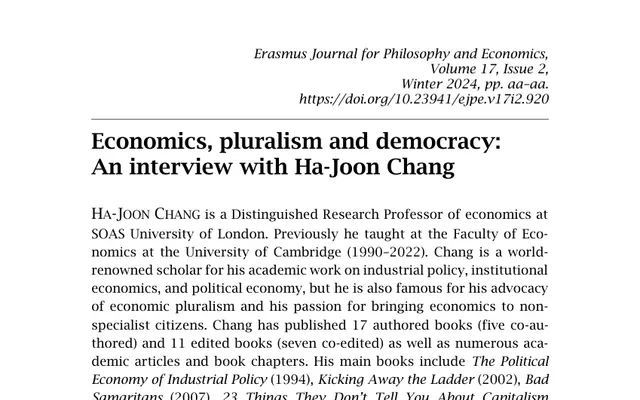
Author-hosted full interview inspected selectively: PDF pages 1–3, 20–22 and 31–33. Methodology and democratic-governance context, not an AI forecast. He supports empirical work while questioning which theories decide what is measured: GDP omits unpaid care. Narrow studies need broader historical and institutional analysis. Experts contribute technical knowledge, but citizens should determine political goals. Publication date confirmed in SOAS repository.

Edited IMF-hosted interview inspected. Recent institutional-policy context, not an AI forecast. Managed trade and disciplined infant-industry support build productive capabilities; protection can be misused. Innovation depends on public research and collective inputs. Growth must also be politically, socially and environmentally sustainable, and economic literacy enables meaningful democratic participation. This supports his policy lens without assigning AI-specific prescriptions he did not state.

あなたはどの位置でしょうか?
自分の世界観をマッピングする