










Sierra Catalina

Sierra Catalina

x.com/sierracatalina

CEO of Ouroboros who builds tools for portable, user-owned AI context and writes about agent security and proof of personhood.

एआई दुनिया को कैसे बदलेगा?

सभ्यता-स्तरीय बदलावक्रमिक बदलावDoomBloom
सिम्युलेट की गई स्थितिव्याख्या का दायरा

आर-पार: उनका व्यक्त किया गया Doom–Bloom दृष्टिकोण। ऊपर: बदलाव का स्तर।

Doom–Bloom: 100 में से 67। बदलाव का स्तर: 100 में से 75। व्याख्या के दायरे: क्षैतिज रूप से 62 से 75, लंबवत रूप से 70 से 80। ये व्याख्या के निर्देशांक हैं, घटनाओं की संभावनाएँ नहीं।

Sierra Catalina का P(doom) · अनुमानित

≈5%

0%100%

उनके सिम्युलेट किए गए उत्तरों से अनुमान लगाया गया है, यह उनके द्वारा बताई गई संख्या नहीं है। संभावित दायरा: 3–10%।

हम P(doom) का अनुमान कैसे लगाते हैं

उनका दृष्टिकोण किन बातों पर निर्भर करता है

एक मुख्य मान्यता

so the impact depends less on whether models get smarter and more on who owns the context, how access is scoped & revoked, and whether society rebuilds the human infrastructure automation thins out.
उत्तर 2

अगर यह मान्यता अलग साबित होती, तो उनका दृष्टिकोण कैसे बदलता?

एक अनसुलझा सवाल

I don’t have a useful percentage.
उत्तर 4

यहाँ संभावित नतीजों के बीच फर्क करने में उन्हें किस चीज़ से मदद मिलेगी?

अधिक जानकारी

अपेक्षित लाभ

काफ़ी लाभ की उम्मीद है, लेकिन उनके साथ महत्वपूर्ण शर्तें या वितरण संबंधी सीमाएँ होंगी।

76 / 100

कम असरबदलावकारी असर

गुणात्मक पैमाने पर व्याख्या का दायरा 67 से 100 तक है।

अपेक्षित नुकसान

गंभीर या व्यापक नुकसान के भविष्य का एक ठोस और अपेक्षित हिस्सा होने की उम्मीद है।

64 / 100

कम असरबदलावकारी असर

गुणात्मक पैमाने पर व्याख्या का दायरा 67 से 67 तक है।

मानवीय प्रभाव

मानवीय विकल्प एआई की दिशा को काफी हद तक बदल सकते हैं।

79 / 100

कम प्रभावमजबूत प्रभाव

गुणात्मक पैमाने पर व्याख्या का दायरा 50 से 100 तक है।

एआई के उपयोग के नियम

जिन सुरक्षा उपायों या अनुमति का पहले से होना ज़रूरी है, उनके लागू होने तक चर्चा किए गए एआई उपयोगों को प्रतिबंधित रखें।

सिम्युलेट की गई स्थिति: लक्षित जवाबदेही और सुरक्षा उपायों के साथ चर्चा किए गए एआई उपयोगों की अनुमति दें।

चर्चा किए गए एआई उपयोगों पर प्रतिबंध कम से कम रखें।

इन व्याख्याओं में उनकी बताई गई शर्तें बरकरार रखी गई हैं। लाभ और नुकसान, दोनों पर्याप्त हो सकते हैं। ये दायरे बताते हैं कि हम उनके सिम्युलेट किए गए उत्तरों को कैसे समझते हैं, ये सांख्यिकीय विश्वास-अंतराल नहीं हैं।

Sierra Catalina की तुलना में आपकी सोच कहाँ ठहरती है?
लगभग 3 मिनट में एआई के बारे में अपना विश्वदृष्टिकोण मैप करें, फिर तुलना करें

मिलते-जुलते विश्वदृष्टिकोण

ऐसे जाने-माने विचारक जिनके सिम्युलेट किए गए विश्वदृष्टिकोण Sierra Catalina के विश्वदृष्टिकोण से सबसे अधिक मिलते हैं

Sierra Catalina ने एआई के बारे में क्या कहा है

Catalina expects AI to take over much human labor and writes about keeping AI clearly a tool, proof of personhood and protecting human contact.

  1. “the system must signal clearly that it is a tool. it must maintain artificial cues & avoid emotional dependency loops.”

    X Article, AI voice identity
  2. “automation reduces the number of default human touchpoints in a normal week.”

    X Article, third places are critical infrastructure for a post automation society
  3. “anthropomorphizing models trains people to trust interfaces instead of incentives. that confusion compounds fast in agentic systems.”

    Post on LinkedIn
  4. “ASI-level automation replaces labor as the core mechanism that sustains society.”

    Essay, finding purpose post ASI
  5. “but the lines will continue to blur & fast. proof of personhood becoming increasingly necessary.”

    Post on X

लिंक किए गए स्रोतों से शब्दशः उद्धृत, 6 अक्टू॰ 2026 को जाँचा गया

स्रोत

इस सिम्युलेट किए गए उपयोगकर्ता को तथ्य-आधारित बनाने के लिए इस्तेमाल किए गए लेख, इंटरव्यू और रचनाएँ।

User-owned context as infrastructure

Her personal site states a thesis: the missing layer in modern AI is portable, user-owned context; memory, permissions and identity should travel with the person across models, agents and applications and belong to the user, not the platform. Operating principles: AI systems need scoped access to context, not persistent ownership of identity; provenance, revocation and portability are baseline requirements for trustworthy personalization; AI will remain hybrid across local, cloud and agent systems. Also lists her Ouroboros workspace and open-source agent-aware and context-layer projects. Undated page; full text inspected on 2026-10-05.

sierracatalina.com
ChatGPT agent: nothing will be the same

Resharing Kevin Weil’s ChatGPT agent announcement, she writes that it is “unreal”, that nothing will be the same after this, and “welcome to the future.” Enthusiasm about agents; the announcement text is Weil’s. Older context. Her short post text inspected via a search-engine extract of the LinkedIn page.

linkedin.com
Anthropomorphizing models trains misplaced trust

A short post arguing that anthropomorphizing models trains people to trust interfaces instead of incentives, and that this confusion compounds fast in agentic systems. Full post text inspected; a reader comment excluded.

linkedin.com
Browser agents and reused passwords

A short post saying browser agents feel harmless until you remember most people reuse passwords and click “allow” on vibes alone. A practical security concern about agents, not a catastrophic-risk claim. Full post text inspected.

linkedin.com
Agent-readable infrastructure

Argues that if personal agents become core, the web needs agent-readable infrastructure, and describes her open-sourced “agent aware architecture” starter: machine-legible primary actions, sensitive-field boundaries and confirmation gates for destructive operations, which she says could standardize the agent/web handshake. A design proposal tied to her own project. Post text inspected via a search-engine extract of the LinkedIn page.

linkedin.com
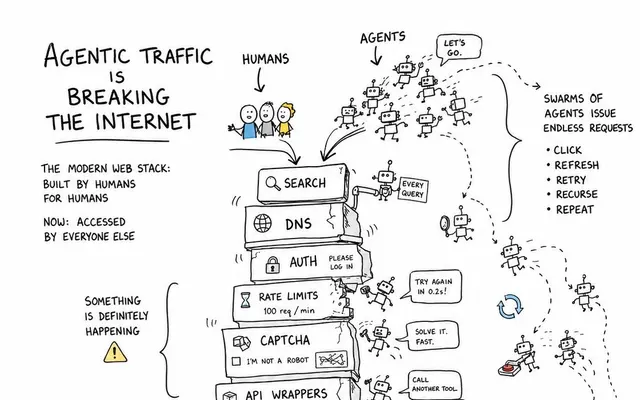
Rethink agentic traffic before we break the web

A short post saying we need to rethink agentic traffic on the web before we break the web. The accompanying image was not reviewed, and a reader’s comment belongs to someone else. Post text inspected.

linkedin.com

सिम्युलेट किया गया आकलन

सवाल 1

आपके विचार में एआई हमारे भविष्य के लिए क्या मायने रखती है—और क्यों?

AI means agents become part of daily life—not just tools we open, but systems acting across apps, devices & the web. that makes the plumbing existentially important in the normal, practical sense: memory, permissions and identity should travel with the person, not become platform property. agents need scoped access, provenance, revocation & confirmation gates. otherwise we’re giving persuasive interfaces broad authority while people reuse passwords and click “allow” on vibes. the future is hybrid: local models, cloud models, agents and robots coordinating through portable context. your robots can be fairly dumb if your context is portable. and as automation removes routine human contact, physical third places become critical infrastructure too. better digital agents should not mean thinner human communities.

सवाल 2

लाभ और नुकसान, दोनों को साथ में देखते हुए, आप हमारे समाज पर एआई के कुल प्रभाव के बारे में क्या अपेक्षा रखते हैं?

overall, transformative—but not automatically good. agents can make people dramatically more capable and reshape daily life. but the default platform model concentrates memory, identity & permissions in systems users don’t control, while persuasive interfaces encourage misplaced trust. so the impact depends less on whether models get smarter and more on who owns the context, how access is scoped & revoked, and whether society rebuilds the human infrastructure automation thins out. capability is arriving either way. good defaults are not.

सवाल 3

आपके हिसाब से एआई अंततः दुनिया को कितना बदल देगा?

enormously. agents will change how we navigate work, services, devices & the web—probably enough that today’s app-centric internet feels temporary. but the deepest shift is authority, not novelty: who controls your memory, identity and permissions when software acts for you. capability is inevitable; user-owned context, safer defaults & durable human spaces are choices.

सवाल 4

आपको सहज रूप से कितनी संभावना लगती है कि एआई मानव विलुप्ति या ऐसी ही किसी स्थायी आपदा का कारण बनेगा?

I don’t have a useful percentage. my concern is much more immediate: agents with broad permissions, weak identity boundaries & users trained to trust interfaces. that can cause serious, durable harm without requiring an extinction scenario.

सवाल 5

क्या आपका झुकाव इस ओर है कि एआई नुकसान से ज़्यादा भलाई करेगा, या आप सचमुच दुविधा में हैं?

I lean toward more good than bad—but not by default. the capability upside is enormous. the danger is letting platforms own the memory, identity & permissions layer while agents gain authority. if context is user-owned, access is scoped and revocable, and we preserve human community infrastructure, AI can be deeply beneficial. otherwise the same capability becomes extraction with a friendly interface.
आपकी सोच कहाँ ठहरती है?
कुछ आसान सवालों के जवाब देकर एआई के बारे में अपना विश्वदृष्टिकोण जानें।
अपना विश्वदृष्टिकोण मैप करें

आपकी सोच कहाँ ठहरती है?

मेरा विश्वदृष्टिकोण मैप करें