

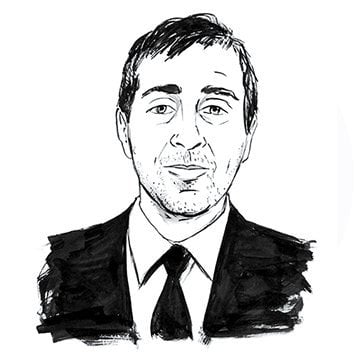


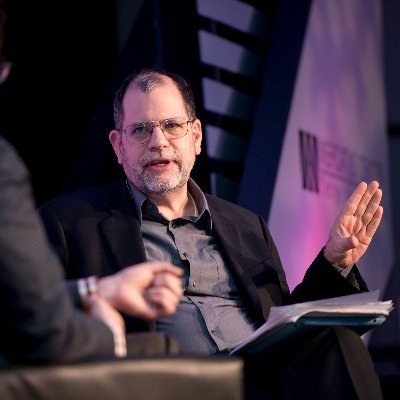


Vik Korrapati

Vik Korrapati

x.com/vikhyatk

Creator of the open Moondream vision-language models who argues AI should be widely accessible and that businesses should control the AI they use.

एआई दुनिया को कैसे बदलेगा?

सभ्यता-स्तरीय बदलावक्रमिक बदलावDoomBloom
सिम्युलेट की गई स्थितिव्याख्या का दायरा

आर-पार: उनका व्यक्त किया गया Doom–Bloom दृष्टिकोण। ऊपर: बदलाव का स्तर।

Doom–Bloom: 100 में से 71। बदलाव का स्तर: 100 में से 69। व्याख्या के दायरे: क्षैतिज रूप से 66 से 76, लंबवत रूप से 50 से 75। ये व्याख्या के निर्देशांक हैं, घटनाओं की संभावनाएँ नहीं।

Vik Korrapati का P(doom) · अनुमानित

≈9%

0%100%

उनके सिम्युलेट किए गए उत्तरों से अनुमान लगाया गया है, यह उनके द्वारा बताई गई संख्या नहीं है। संभावित दायरा: 4–21%।

हम P(doom) का अनुमान कैसे लगाते हैं

उनका दृष्टिकोण किन बातों पर निर्भर करता है

एक मुख्य मान्यता

Whether those gains produce broad prosperity or deeper concentration depends heavily on whether AI is democratized rather than treated as infrastructure owned by a handful of frontier labs.
उत्तर 2

अगर यह मान्यता अलग साबित होती, तो उनका दृष्टिकोण कैसे बदलता?

एक अनसुलझा सवाल

I don’t have a defensible numerical probability.
उत्तर 4

यहाँ संभावित नतीजों के बीच फर्क करने में उन्हें किस चीज़ से मदद मिलेगी?

अधिक जानकारी

अपेक्षित लाभ

काफ़ी लाभ की उम्मीद है, लेकिन उनके साथ महत्वपूर्ण शर्तें या वितरण संबंधी सीमाएँ होंगी।

69 / 100

कम असरबदलावकारी असर

गुणात्मक पैमाने पर व्याख्या का दायरा 67 से 67 तक है।

अपेक्षित नुकसान

गंभीर या व्यापक नुकसान के भविष्य का एक ठोस और अपेक्षित हिस्सा होने की उम्मीद है।

59 / 100

कम असरबदलावकारी असर

गुणात्मक पैमाने पर व्याख्या का दायरा 33 से 67 तक है।

मानवीय प्रभाव

मानवीय विकल्प एआई की दिशा को काफी हद तक बदल सकते हैं।

69 / 100

कम प्रभावमजबूत प्रभाव

गुणात्मक पैमाने पर व्याख्या का दायरा 47 से 78 तक है।

एआई तक पहुँच

शक्तिशाली एआई तक पहुँच प्रतिबंधित करें।

क्षमता या उपयोग संबंधी प्रतिबंधों के अधीन पहुँच की अनुमति दें।

सिम्युलेट की गई स्थिति: शक्तिशाली एआई तक व्यापक या खुली पहुँच को प्राथमिकता दें।

इन व्याख्याओं में उनकी बताई गई शर्तें बरकरार रखी गई हैं। लाभ और नुकसान, दोनों पर्याप्त हो सकते हैं। ये दायरे बताते हैं कि हम उनके सिम्युलेट किए गए उत्तरों को कैसे समझते हैं, ये सांख्यिकीय विश्वास-अंतराल नहीं हैं।

Vik Korrapati की तुलना में आपकी सोच कहाँ ठहरती है?
लगभग 3 मिनट में एआई के बारे में अपना विश्वदृष्टिकोण मैप करें, फिर तुलना करें

मिलते-जुलते विश्वदृष्टिकोण

ऐसे जाने-माने विचारक जिनके सिम्युलेट किए गए विश्वदृष्टिकोण Vik Korrapati के विश्वदृष्टिकोण से सबसे अधिक मिलते हैं

स्रोत

इस सिम्युलेट किए गए उपयोगकर्ता को तथ्य-आधारित बनाने के लिए इस्तेमाल किए गए लेख, इंटरव्यू और रचनाएँ।

सिम्युलेट किया गया आकलन

सवाल 1

आपके विचार में एआई हमारे भविष्य के लिए क्या मायने रखती है—और क्यों?

I expect AI to make increasingly capable reasoning and automation broadly available, especially when efficient open models can run under users’ control rather than only behind a few companies’ APIs. That matters for practical reasons: if AI is critical to a business, dependence on a provider that can change pricing, access, or behavior is a serious constraint. Open models can also commoditize coding and agent capabilities, pressuring frontier margins and perhaps weakening the assumption that progress must always mean larger, more centralized training runs. The upside is substantial. Capable agent swarms could let scientists and mathematicians attempt much more ambitious work. But I’m skeptical of confident claims that software engineering is simply over or that most people are destined for permanent economic irrelevance, particularly when those forecasts outrun actual use of the systems. The central issue is power. If AI development and deployment remain concentrated, technical progress can become political concentration. We need to ask who controls these systems and how access is democratized. I also think institutions should be judged by consistency: if a lab describes its technology as potentially catastrophic, its commercial priorities and conduct should reflect that claim.

सवाल 2

लाभ और नुकसान, दोनों को साथ में देखते हुए, आप हमारे समाज पर एआई के कुल प्रभाव के बारे में क्या अपेक्षा रखते हैं?

Overall, I expect AI to be strongly beneficial if capability becomes cheap, efficient, and broadly controllable. It can commoditize routine coding and agent work, expand what small teams can build, and let scientists direct many capable systems toward problems that were previously too expensive or labor-intensive. I do not think today’s evidence justifies confident stories that humans become permanently economically irrelevant. But the distribution of control may matter more than the raw capability curve. If a few providers mediate business-critical intelligence, society inherits concentrated technical, economic, and political power. Open models offer a counterweight: users can inspect, adapt, deploy, and retain control over systems they depend on. So my default is not simply utopia or catastrophe. I expect large gains alongside serious disruption and pressure on existing businesses. Whether those gains produce broad prosperity or deeper concentration depends heavily on whether AI is democratized rather than treated as infrastructure owned by a handful of frontier labs.

सवाल 3

आपके हिसाब से एआई अंततः दुनिया को कितना बदल देगा?

A great deal—probably at the level of foundational infrastructure rather than just another software category. Cheap, capable models can change how software is produced, how businesses operate, and how scientists pursue ambitious problems. Coding and agent services may become commodities, enabling small teams to wield capabilities that previously required much larger organizations. But I would resist turning that into a confident claim that every profession disappears or humans become permanently irrelevant. The magnitude of change is clearer than its final economic shape. A lot depends on ownership: broadly available, efficient open models distribute leverage, while dependence on a few proprietary systems centralizes it. AI’s ultimate impact will therefore be measured not only by capability, but by who can control and deploy it.

सवाल 4

आपको सहज रूप से कितनी संभावना लगती है कि एआई मानव विलुप्ति या ऐसी ही किसी स्थायी आपदा का कारण बनेगा?

I don’t have a defensible numerical probability. I take catastrophic risk seriously, but I’m more confident in a consistency test: if a lab says its systems might kill everyone, its priorities should visibly reflect that belief. Racing toward commercialization, IPOs, and conferences while invoking existential danger is hard to reconcile. At the same time, catastrophic-risk rhetoric should not automatically become a mandate to concentrate AI inside a few institutions. That creates its own durable political danger. The practical questions are who controls critical systems, whether users can run and adapt them, and how development is democratized rather than converted into unaccountable centralized power.
आपकी सोच कहाँ ठहरती है?
कुछ आसान सवालों के जवाब देकर एआई के बारे में अपना विश्वदृष्टिकोण जानें।
अपना विश्वदृष्टिकोण मैप करें

आपकी सोच कहाँ ठहरती है?

मेरा विश्वदृष्टिकोण मैप करें