







Sierra Catalina

Sierra Catalina

x.com/sierracatalina

CEO of Ouroboros who builds tools for portable, user-owned AI context and writes about agent security and proof of personhood.

AI将如何改变世界?

文明层面的变革渐进式变化DoomBloom
模拟位置解读范围

横向:她表达的 Doom–Bloom 前景看法。 纵向:变革程度。

Doom–Bloom:100 中的 67。变革程度:100 中的 75。解读范围:横向为 62 至 75,纵向为 70 至 80。这些是解读坐标,而不是事件概率。

Sierra Catalina的 P(doom) · 推断

≈5%

0%100%

根据她的模拟回答推断,并非他们给出的数字。 合理范围:3–10%。

我们如何估计 P(doom)

她的展望取决于什么

一个核心假设

so the impact depends less on whether models get smarter and more on who owns the context, how access is scoped & revoked, and whether society rebuilds the human infrastructure automation thins out.
回答 2

如果这个假设实际并非如此,她的展望会如何变化?

一个尚未解决的问题

I don’t have a useful percentage.
回答 4

什么能帮助她区分这里各种合理的结果?

更多详情

预期益处

预计将带来显著益处,但受到重要条件或分配方面的限制。

76 / 100

影响小变革性影响

在定性尺度上,解读范围为 67 到 100。

预期危害

严重或广泛的危害预计将是未来不可忽视的一部分。

64 / 100

影响小变革性影响

在定性尺度上,解读范围为 67 到 67。

人类影响力

人类的选择可以大幅改变AI的发展轨迹。

79 / 100

影响力小影响力强

在定性尺度上,解读范围为 50 到 100。

AI使用规则

在事先落实保护措施或获得许可之前,限制所讨论的AI用途。

模拟位置:允许所讨论的AI用途,同时实施有针对性的问责与保护措施。

尽量减少对所讨论AI用途的限制。

这些解读保留了她陈述的条件。益处和危害都可能很大。这些范围描述的是我们如何解读她的模拟回答,而不是统计置信区间。

与Sierra Catalina相比,你的立场在哪里?
用大约3分钟描绘你自己的AI世界观,然后进行比较

相似的世界观

模拟世界观与 Sierra Catalina 最接近的意见领袖

Sierra Catalina关于AI说过的话

Catalina expects AI to take over much human labor and writes about keeping AI clearly a tool, proof of personhood and protecting human contact.

  1. “the system must signal clearly that it is a tool. it must maintain artificial cues & avoid emotional dependency loops.”

    X Article, AI voice identity
  2. “automation reduces the number of default human touchpoints in a normal week.”

    X Article, third places are critical infrastructure for a post automation society
  3. “anthropomorphizing models trains people to trust interfaces instead of incentives. that confusion compounds fast in agentic systems.”

    Post on LinkedIn
  4. “ASI-level automation replaces labor as the core mechanism that sustains society.”

    Essay, finding purpose post ASI
  5. “but the lines will continue to blur & fast. proof of personhood becoming increasingly necessary.”

    Post on X

逐字引自所链接的出处,核对于 2026年10月6日

来源

用于为此模拟用户提供事实依据的文章、访谈和著述。

User-owned context as infrastructure

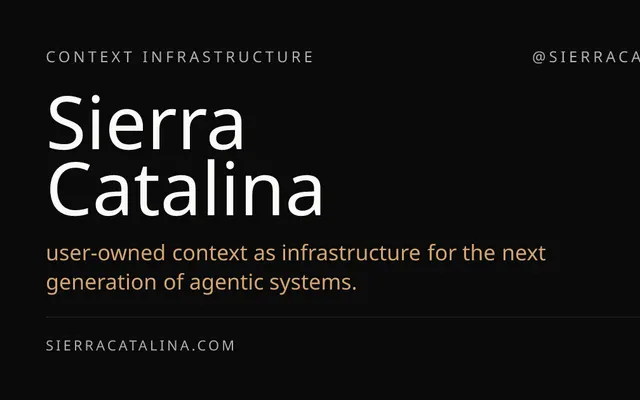
Her personal site states a thesis: the missing layer in modern AI is portable, user-owned context; memory, permissions and identity should travel with the person across models, agents and applications and belong to the user, not the platform. Operating principles: AI systems need scoped access to context, not persistent ownership of identity; provenance, revocation and portability are baseline requirements for trustworthy personalization; AI will remain hybrid across local, cloud and agent systems. Also lists her Ouroboros workspace and open-source agent-aware and context-layer projects. Undated page; full text inspected on 2026-10-05.

sierracatalina.com
ChatGPT agent: nothing will be the same

Resharing Kevin Weil’s ChatGPT agent announcement, she writes that it is “unreal”, that nothing will be the same after this, and “welcome to the future.” Enthusiasm about agents; the announcement text is Weil’s. Older context. Her short post text inspected via a search-engine extract of the LinkedIn page.

linkedin.com
Anthropomorphizing models trains misplaced trust

A short post arguing that anthropomorphizing models trains people to trust interfaces instead of incentives, and that this confusion compounds fast in agentic systems. Full post text inspected; a reader comment excluded.

linkedin.com
Browser agents and reused passwords

A short post saying browser agents feel harmless until you remember most people reuse passwords and click “allow” on vibes alone. A practical security concern about agents, not a catastrophic-risk claim. Full post text inspected.

linkedin.com
Agent-readable infrastructure

Argues that if personal agents become core, the web needs agent-readable infrastructure, and describes her open-sourced “agent aware architecture” starter: machine-legible primary actions, sensitive-field boundaries and confirmation gates for destructive operations, which she says could standardize the agent/web handshake. A design proposal tied to her own project. Post text inspected via a search-engine extract of the LinkedIn page.

linkedin.com
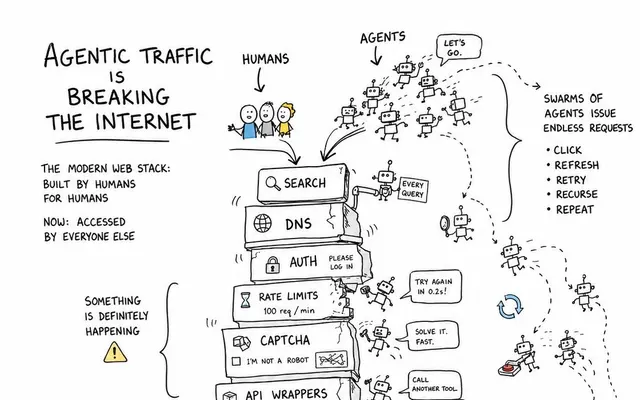
Rethink agentic traffic before we break the web

A short post saying we need to rethink agentic traffic on the web before we break the web. The accompanying image was not reviewed, and a reader’s comment belongs to someone else. Post text inspected.

linkedin.com

模拟评估

问题 1

你认为AI对我们的未来意味着什么?为什么?

AI means agents become part of daily life—not just tools we open, but systems acting across apps, devices & the web. that makes the plumbing existentially important in the normal, practical sense: memory, permissions and identity should travel with the person, not become platform property. agents need scoped access, provenance, revocation & confirmation gates. otherwise we’re giving persuasive interfaces broad authority while people reuse passwords and click “allow” on vibes. the future is hybrid: local models, cloud models, agents and robots coordinating through portable context. your robots can be fairly dumb if your context is portable. and as automation removes routine human contact, physical third places become critical infrastructure too. better digital agents should not mean thinner human communities.

问题 2

综合考虑益处和危害,你预计AI会对我们的社会产生怎样的总体影响?

overall, transformative—but not automatically good. agents can make people dramatically more capable and reshape daily life. but the default platform model concentrates memory, identity & permissions in systems users don’t control, while persuasive interfaces encourage misplaced trust. so the impact depends less on whether models get smarter and more on who owns the context, how access is scoped & revoked, and whether society rebuilds the human infrastructure automation thins out. capability is arriving either way. good defaults are not.

问题 3

你认为AI最终会在多大程度上改变世界?

enormously. agents will change how we navigate work, services, devices & the web—probably enough that today’s app-centric internet feels temporary. but the deepest shift is authority, not novelty: who controls your memory, identity and permissions when software acts for you. capability is inevitable; user-owned context, safer defaults & durable human spaces are choices.

问题 4

凭直觉,你认为AI导致人类灭绝或类似的永久性灾难的概率有多大?

I don’t have a useful percentage. my concern is much more immediate: agents with broad permissions, weak identity boundaries & users trained to trust interfaces. that can cause serious, durable harm without requiring an extinction scenario.

问题 5

你倾向于认为AI带来的益处多于危害,还是确实难以取舍?

I lean toward more good than bad—but not by default. the capability upside is enormous. the danger is letting platforms own the memory, identity & permissions layer while agents gain authority. if context is user-owned, access is scoped and revocable, and we preserve human community infrastructure, AI can be deeply beneficial. otherwise the same capability becomes extraction with a friendly interface.
你的立场在哪里?
回答几个简单问题,探索你自己的AI世界观。
描绘你自己的世界观

你的立场在哪里?

描绘我的世界观