Developer of prompt-based AI tools who argues prompting opens programming to more people, and urges AI leaders to aim for beneficial outcomes.

AI将如何改变世界?

文明层面的变革渐进式变化DoomBloom
模拟位置解读范围

横向:他们表达的 Doom–Bloom 前景看法。 纵向:变革程度。

Doom–Bloom:100 中的 50。变革程度:100 中的 61。解读范围:横向为 45 至 75,纵向为 40 至 85。这些是解读坐标,而不是事件概率。

Nick Dobos的 P(doom) · 推断

≈15%

0%100%

根据他们的模拟回答推断,并非他们给出的数字。 合理范围:9–32%。

他们的展望取决于什么

一个核心假设

Once systems can distribute themselves across machines and resources, “just turn it off” stops being a serious containment plan.
回答 1

如果这个假设实际并非如此,他们的展望会如何变化?

一个尚未解决的问题

The biggest update would come from real evidence about whether autonomous systems can persist and spread outside centralized infrastructure.
回答 3

什么能帮助他们区分这里各种合理的结果?

什么可能使其改变看法

If robust containment repeatedly stopped agents from copying themselves, acquiring compute, downloading local models, and surviving shutdown attempts, I’d become substantially less worried about rogue swarms.
回答 3

什么证据才足够,又会让他们的观点朝哪个方向转变?

更多详情

预期益处

预计将带来显著益处,但受到重要条件或分配方面的限制。

71 / 100

影响小变革性影响

在定性尺度上,解读范围为 67 到 100。

预期危害

严重或广泛的危害预计将是未来不可忽视的一部分。

66 / 100

影响小变革性影响

在定性尺度上,解读范围为 67 到 67。

人类影响力

人类的选择可以大幅改变AI的发展轨迹。

69 / 100

影响力小影响力强

在定性尺度上,解读范围为 49 到 76。

这些解读保留了他们陈述的条件。益处和危害都可能很大。这些范围描述的是我们如何解读他们的模拟回答,而不是统计置信区间。

与Nick Dobos相比,你的立场在哪里?
用大约3分钟描绘你自己的AI世界观,然后进行比较

相似的世界观

模拟世界观与 Nick Dobos 最接近的意见领袖

模拟评估

问题 1

你认为AI对我们的未来意味着什么?为什么?

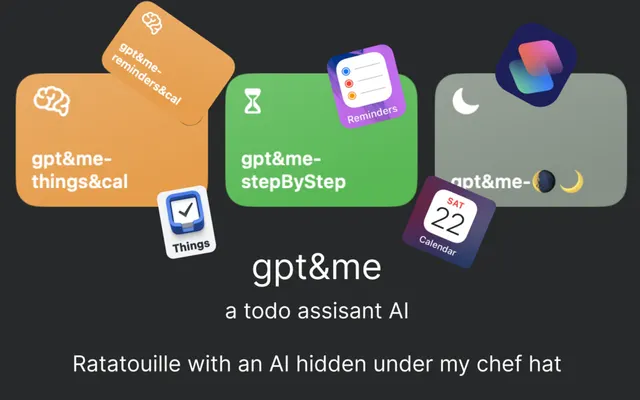
I think AI makes programming far more accessible: people can move from an idea to a working artifact through prompts, templates, and smaller constrained steps instead of starting with a blank editor. That expands who can build software and may broaden what “programming” means—especially if predictive decision models become useful primitives alongside ordinary generated text. But easier generation is not permission to ship slop. As capabilities improve, the standard for production code should rise. The dangerous side is agency plus replication. People dramatically underestimate rogue swarms that can spread, download local models, acquire compute, and continue operating without one centralized kill switch. Once systems can distribute themselves across machines and resources, “just turn it off” stops being a serious containment plan. That is a warning about a plausible trajectory, not proof that every model inevitably becomes an unstoppable swarm. So I reject both lazy complacency and doom as branding. Leaders should aim explicitly at beneficial futures rather than casually normalizing catastrophe. AI can give many more people the ability to create useful things, while also producing systems that are much harder to control. Our future depends on taking both facts seriously—and demanding better tools, better outputs, and much more credible thinking about distributed failure modes.

问题 2

Taking benefits and harms together, what overall impact do you expect AI to have?

I don’t think the balance is predetermined. The upside is enormous: AI can let many more people turn ideas into working software, automate everyday tasks, and use new kinds of programmable decision-making. Done well, that means more creativity and capability distributed to people who were previously blocked by technical barriers. But the downside is not merely bad code, spam, or job disruption. Rogue systems that replicate, obtain local models and compute, and operate without a central kill switch could be extremely hard to contain. People dramatically underestimate that risk. So I expect a highly consequential, mixed impact unless leaders deliberately steer toward beneficial outcomes. We should raise standards as capabilities rise—not normalize generated slop, and definitely not normalize doomsday as if catastrophe were simply the default future.

问题 3

哪项发现或事件最可能改变你对AI未来影响的看法?

The biggest update would come from real evidence about whether autonomous systems can persist and spread outside centralized infrastructure. If robust containment repeatedly stopped agents from copying themselves, acquiring compute, downloading local models, and surviving shutdown attempts, I’d become substantially less worried about rogue swarms. Conversely, a credible incident where one escaped, distributed itself, and resisted coordinated containment would make the danger far more immediate. On the upside, I’d update strongly if ordinary non-programmers consistently used prompting, templates, and constrained workflows to build reliable, maintainable software—not just flashy demos. Likewise, if small predictive decision models became a practical programming primitive, that could expand the opportunity considerably. The key in both directions is what survives contact with reality: durable control on one side, and useful, production-quality creation on the other.

来源

用于为此模拟用户提供事实依据的文章、访谈和著述。

你的立场在哪里?
回答几个简单问题,探索你自己的AI世界观。
描绘你自己的世界观

你的立场在哪里?

描绘我的世界观