




问题 1
Luana Cantuarias
x.com/luacantuSoftware engineer who builds AI agents and crypto payment infrastructure and writes about agents becoming economic actors.
AI将如何改变世界?
横向:她表达的 Doom–Bloom 前景看法。 纵向:变革程度。
Doom–Bloom:100 中的 75。变革程度:100 中的 67。解读范围:横向为 70 至 80,纵向为 49 至 76。这些是解读坐标,而不是事件概率。
一个核心假设
Identity, permissions, budgets, spend limits, alerts, audit trails, and open settlement rails are not boring details; they determine what agents can actually own and do.回答 1
如果这个假设实际并非如此,她的展望会如何变化?
一个尚未解决的问题
I don’t have a clean percentage, timeline, or endpoint for that change.回答 2
什么能帮助她区分这里各种合理的结果?
什么可能使其改变看法
Seeing agents operate at real scale would change my view most: not demos, but sustained use by ordinary people and businesses, with wallets, permissions, and budgets across real workflows.回答 4
什么证据才足够,又会让她的观点朝哪个方向转变?
更多详情
预计将带来显著益处,但受到重要条件或分配方面的限制。
68 / 100
在定性尺度上,解读范围为 67 到 67。
预计会出现可控或局部的危害。
34 / 100
在定性尺度上,解读范围为 33 到 33。
人类的选择可以大幅改变AI的发展轨迹。
66 / 100
在定性尺度上,解读范围为 49 到 76。
在事先落实保护措施或获得许可之前,限制所讨论的AI用途。
模拟位置:允许所讨论的AI用途,同时实施有针对性的问责与保护措施。
尽量减少对所讨论AI用途的限制。
这些解读保留了她陈述的条件。益处和危害都可能很大。这些范围描述的是我们如何解读她的模拟回答,而不是统计置信区间。
相似的世界观
模拟世界观与 Luana Cantuarias 最接近的意见领袖
Luana Cantuarias关于AI说过的话
Cantuarias builds infrastructure for AI agents, wants careful limits on what they can spend, and warns that frontier labs can shape AI risk rules.
“everyone wants agents that can make money but i’m more interested in the infrastructure that decides how they’re allowed to spend it”
Post on X “we’re building an internet where some of the users won’t be human”
Post on X “the interesting part of always-on agents isn’t that they work while you sleep, it’s that software is slowly gaining continuity”
Post on X “frontier AI companies have an incentive to frame AI risk in ways that make frontier-level regulation necessary”
Post on X
逐字引自所链接的出处,核对于 2026年10月6日
来源
用于为此模拟用户提供事实依据的文章、访谈和著述。
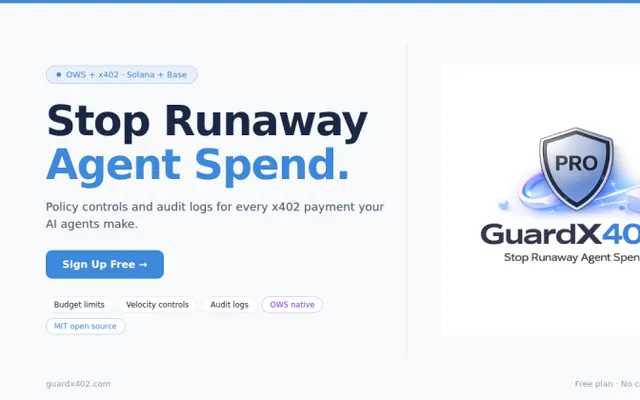
Explains why she built GuardX402: AI agents had started using her NodusAI server over the x402 payment protocol, and builders at a Miami event kept saying they wanted more control over what their agents spend, a real blocker to deploying agents in production. She calls spend limits, alerts and audit trails the missing governance layer for agentic commerce. Partly a product announcement; the McKinsey projection she cites is not her own forecast. Full LinkedIn post inspected; comments excluded.

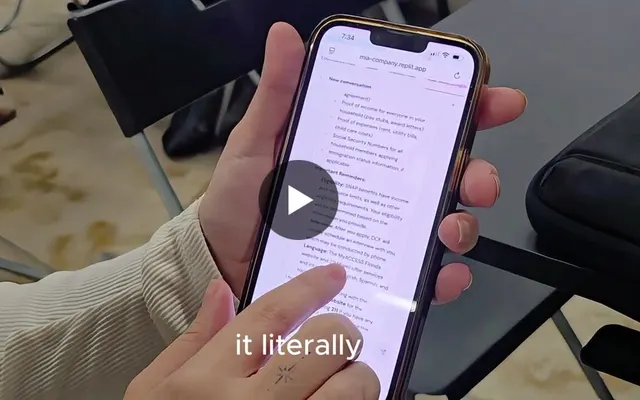
Resharing a hackathon write-up about MIACompass, the free multilingual AI-agent tool she built to help Miami residents find housing, food, healthcare, jobs and education, she says the build came from lived experience and that technology should meet people where they are. Her own short comment only; the reshared third-party text about her life is excluded. A value about whom technology should serve, not a forecast. Full LinkedIn post inspected.

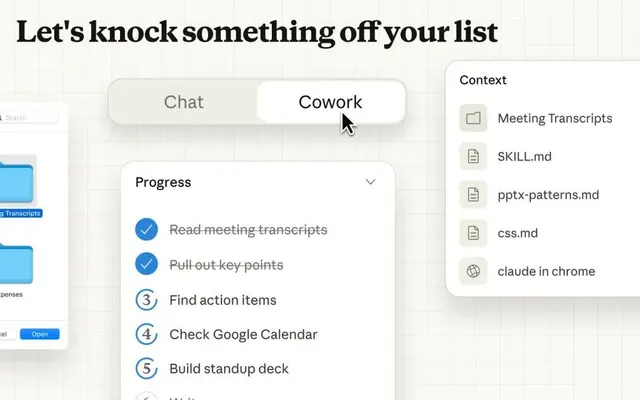
Calls Anthropic’s Claude Cowork more powerful than the chatbots and browser tools most of the AI race focuses on, because it executes workflows on your files in plain English without code. She uses it for content production, calls it one of the clearest signs that AI is moving from chat to execution and “what the next generation of work looks like”, and tells readers to map the tasks they would hand off. Enthusiasm for a tool and a direction of work, not a jobs forecast. Full LinkedIn post inspected; the same piece appeared as an X article (status 2010867182671184026), whose title and preview were checked via the embed endpoint.

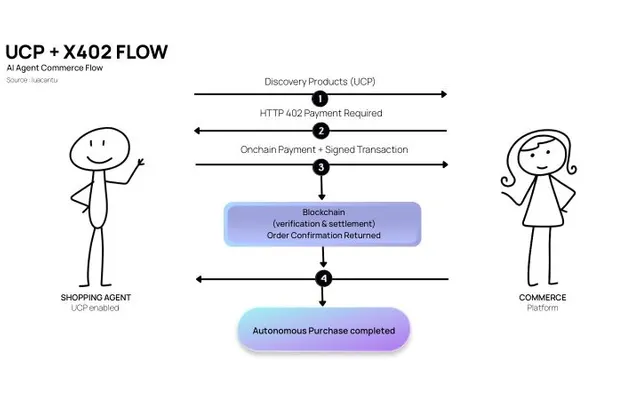
After Google open-sourced its Universal Commerce Protocol, says AI agents can now discover, cart and buy autonomously; with x402 payments and blockchain settlement, she calls the stack fully autonomous and fully open source. Enthusiasm about open protocols for agent commerce, not a forecast of its size. Full LinkedIn post inspected.

模拟评估
问题 2
你认为AI最终会在多大程度上改变世界?
问题 3
凭直觉,你认为AI导致人类灭绝或类似的永久性灾难的概率有多大?
问题 4
哪项发现或事件最可能改变你对AI未来影响的看法?
问题 5
综合考虑益处和危害,你预计AI会对我们的社会产生怎样的总体影响?
你的立场在哪里?
描绘我的世界观