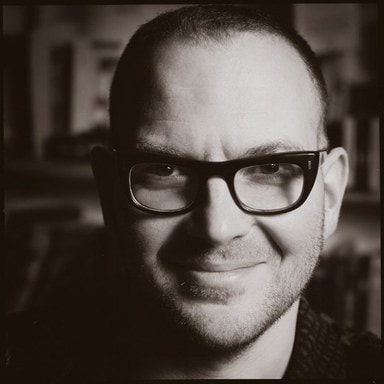
Cory Doctorow

Cory Doctorow

Author website

Novelist and public-interest technology writer who argues for useful tools, worker power and limits on corporate control.

AI将如何改变世界?

文明层面的变革渐进式变化DoomBloom
模拟位置解读范围

横向:他表达的 Doom–Bloom 前景看法。 纵向:变革程度。

Doom–Bloom:100 中的 34。变革程度:100 中的 61。解读范围:横向为 25 至 50,纵向为 50 至 75。这些是解读坐标,而不是事件概率。

Cory Doctorow的 P(doom) · 推断

≈12%

0%100%

根据他的模拟回答推断,并非他们给出的数字。 合理范围:6–24%。

他的展望取决于什么

一个核心假设

It only needs powerful institutions to deploy it at scale.
回答 2

如果这个假设实际并非如此,他的展望会如何变化?

一个尚未解决的问题

I don’t have a defensible percentage, and I won’t manufacture one.
回答 3

什么能帮助他区分这里各种合理的结果?

什么可能使其改变看法

A repeatable demonstration that these systems can reliably handle genuinely surprising situations—not merely extend familiar patterns—would change my view substantially.
回答 4

什么证据才足够,又会让他的观点朝哪个方向转变?

更多详情

预期益处

预计将带来显著益处,但受到重要条件或分配方面的限制。

57 / 100

影响小变革性影响

在定性尺度上,解读范围为 33 到 67。

预期危害

严重或广泛的危害预计将是未来不可忽视的一部分。

67 / 100

影响小变革性影响

在定性尺度上,解读范围为 67 到 67。

人类影响力

人类的选择可以大幅改变AI的发展轨迹。

74 / 100

影响力小影响力强

在定性尺度上,解读范围为 50 到 100。

AI使用规则

在事先落实保护措施或获得许可之前,限制所讨论的AI用途。

模拟位置:允许所讨论的AI用途,同时实施有针对性的问责与保护措施。

尽量减少对所讨论AI用途的限制。

这些解读保留了他陈述的条件。益处和危害都可能很大。这些范围描述的是我们如何解读他的模拟回答,而不是统计置信区间。

与Cory Doctorow相比,你的立场在哪里?
用大约3分钟描绘你自己的AI世界观,然后进行比较

相似的世界观

模拟世界观与 Cory Doctorow 最接近的意见领袖

Cory Doctorow关于AI说过的话

Doctorow distinguishes useful AI tools from the investment bubble and argues that workers should control how automation affects their work.

  1. “Designing autonomous, malicious software is generally considered irresponsible and dangerous.”

    Pluralistic, LLMs are real, AI is fake
  2. “I use a local chatbot to spellcheck these posts.”

    Pluralistic, Discernment
  3. “AI is a normal technology.”

    Pluralistic, Three more AI psychoses
  4. “AI can write code, but AI can’t do software engineering.”

    Pluralistic, Code is a liability (not an asset)

逐字引自所链接的出处,核对于 2026年10月3日

模拟评估

问题 1

你认为AI对我们的未来意味着什么?为什么?

I think AI means a future of useful tools buried inside an enormous struggle over power, work and ownership. AI is ordinary technology: statistical systems can generate strikingly plausible language, detect patterns, transform files and automate routine tasks. I use a local model for typo detection because I can judge its suggestions. That is a centaur arrangement—the person chooses how the machine assists. The reverse-centaur version is a worker forced to serve the machine’s pace, correct its errors and accept responsibility for decisions imposed by management. That distinction matters because producing more code, text or customer-service responses is not the same as doing better engineering, writing or service. If companies jam unreviewable generated code into essential systems to meet output quotas, they will create digital asbestos: liabilities that remain long after the executives who demanded them have collected their bonuses. Statistical regularity is useful, but plausible output is not understanding. A model can help an expert with work they can verify; asking a novice to learn from authoritative-sounding answers they cannot check reverses the relationship required for reliable use. I also expect the investment bubble to hurt people who never chose to bet on it—through exposed savings, economic fallout, wasted energy and stranded infrastructure. Some useful residue may remain after a crash: cheap hardware, open models, skilled workers and efficient local tools that preserve privacy. That does not justify the bubble any more than useful railway track would justify every crooked railway speculation. So the future is not simply “AI succeeds” or “AI fails.” The systems can be genuinely useful while the business model is destructive. The decisive question is who controls the tool and who bears its costs. Workers need bargaining power, users need systems they can inspect and adapt, and dominant firms should not be allowed to turn superintelligence stories into an excuse for suppressing competitors or forcing automation on everyone else.

问题 2

你认为AI最终会在多大程度上改变世界?

A great deal, but probably not in the quasi-religious way its promoters advertise. Ordinary technologies can transform the world precisely because they get embedded in ordinary institutions: workplaces, schools, public services, software systems and financial markets. AI can make useful tools cheaper and more accessible, especially local tools people can control. It can also let employers intensify work, eliminate discretion and leave workers acting as reverse centaurs—feeding and correcting machines whose pace they did not choose. The investment frenzy may itself produce enormous change even if the grand technical promises fail. A crash can destroy savings, jobs and public resources, while rushed deployment can leave digital asbestos throughout essential systems: unreviewable code and brittle automated processes that take decades to clean up. Useful hardware, open models and skilled people may remain afterward, but productive residue does not retroactively justify the wreckage. I do not think plausible language proves understanding, nor that present methods automatically lead to superintelligence. But a technology does not need to wake up or become a new species to change society. It only needs powerful institutions to deploy it at scale. The magnitude of the change will therefore depend less on whether machines become godlike than on who owns them, who can refuse them, and who captures the gains.

问题 3

凭直觉,你认为AI导致人类灭绝或类似的永久性灾难的概率有多大?

I don’t have a defensible percentage, and I won’t manufacture one. My concrete concern is not a machine “waking up” and becoming a new species. It is powerful institutions deploying fallible automation at scale: in critical infrastructure, warfare, surveillance, finance and software systems nobody can adequately inspect or maintain. That can produce severe and enduring catastrophe without superintelligence. An automated hacking workflow aimed at fragile infrastructure is dangerous because it can act quickly and repeatedly, not because it secretly understands itself. Likewise, hurriedly inserting unreviewable code into essential systems can create digital asbestos—liabilities that persist for decades. So I take catastrophic risk seriously, but a gut-feel extinction number would imply knowledge I do not have. The risks I can actually describe point toward better security, human supervision, worker control, maintainable systems and an end to vulnerability hoarding—not toward treating corporate superintelligence rhetoric as established fact.

问题 4

哪项发现或事件最可能改变你对AI未来影响的看法?

A repeatable demonstration that these systems can reliably handle genuinely surprising situations—not merely extend familiar patterns—would change my view substantially. I would want explanatory competence, not another dazzling benchmark: a system forming a useful account of what is happening, exposing that account to scrutiny, and continuing to work when the underlying conditions change. But technical capability alone would not settle the social question. An equally consequential event would be a durable shift in control: workers gaining enforceable power to choose or refuse automation, open local systems displacing hyperscaler dependence, and institutions rewarding maintainability rather than maximum output. That would make me more optimistic about AI’s impact even without any march toward “AGI.” Conversely, widespread failures in critical systems caused by unreviewable generated code—or a bubble collapse that destroys savings and public resources—would strengthen my expectation that digital asbestos and concentrated power will define the legacy of this period. The future turns on both what the technology can actually do and who gets to decide how it is used.

来源

用于为此模拟用户提供事实依据的文章、访谈和著述。

Textured

Accepts statistical extrapolation as useful and finds the plausibility of generated language genuinely surprising. Argues that theory-free extrapolation has hard limits: statistical regularity is not understanding, and unexpected situations require a theory of what is happening. Criticizes diminishing returns, resource consumption and replacing workers with defective chatbots. The argument concerns these methods, not an experimentally established ceiling on every possible AI architecture. Main essay inspected.

pluralistic.net
How an AI moratorium can save AI bosses

Argues low switching costs and competing open-weight models undermine hyperscalers’ ability to recover investments. Even granting improved unit economics for argument’s sake does not solve continuous competition. Suspects superintelligence restrictions could excuse incumbent collusion and prohibit alternatives. Calls for investigating concrete misconduct rather than blessing restraints of trade. These are his economic and political claims, not audited company accounts or a comprehensive position on every possible pause. Main essay inspected.

pluralistic.net
LLMs are real, AI is fake

Adopts a distinction between actual language-model hacking tools and stories that models woke up or set new goals. Interprets the Hugging Face incident as foreseeable behavior of an inadequately supervised hacking workflow. Still calls automated malicious software dangerous, especially against fragile infrastructure. Wants better sandboxes, supervision and a prohibition on government vulnerability hoarding. Executives’ quoted 10% extinction claim is not his estimate. Main essay inspected; incident forensics and linked podcast not independently audited.

pluralistic.net
Discernment

Describes using a local, offline LLM to find typos, retaining his own editorial judgment. Cannot evaluate a sophisticated mathematics dialogue and refuses to mistake its impressive appearance for verified validity. Distinguishes expert checking from asking a chatbot to teach unfamiliar material. Suggests teachers could generate and validate fresh test questions rather than be replaced by bots. Considers retrieving his own essays with a local model, but describes that as an idea, not a deployed system. Main essay inspected.

pluralistic.net
The difference between today’s task and accretive work

Accepts personal utilities and disposable software as useful even when they are not maintainable production systems. Distinguishes worker-directed centaurs from workers forced to serve automation. Endorses the importance of making code legible and reusable for future teams, while warning investment imperatives reward replacement and cleanup is undervalued. Reports programmers’ divergent experiences without treating either as universal. Main essay inspected.

pluralistic.net
Three more AI psychoses

Calls AI normal technology and the bubble exceptional. Criticizes investors, bosses and critics who amplify exceptionalism. Accepts skilled practitioners’ modest enthusiasm for useful automation plugins, while retaining serious resource, labor and political concerns. Main essay inspected.

pluralistic.net
Supreme Court saves artists from AI

Argues noncopyrightability of machine output protects human creative labor, whereas a new training right could be assigned to concentrated employers and used to replace workers. Favors sectoral bargaining and cites writers’ negotiated ability to choose AI use without being forced. Allows brainstorming when generated words stay out of the final work. His legal interpretation is not independently validated here. Main essay inspected.

pluralistic.net
Code is a liability (not an asset)

Distinguishes writing working code from engineering legible systems that fail gracefully amid changing context. Warns that maximizing code output produces maintenance liabilities and chained agents compound reliability problems. Accepts validated routine code and isolated, one-off utilities. His digital-asbestos analogy predicts lasting cleanup burdens, not a measured job forecast or guaranteed employment program. Main essay inspected.

pluralistic.net
The AI that we’ll have after AI

Expects a damaging investment crash but productive residue: skilled people, inexpensive hardware and open models, with more optimization possible. Praises local transcription, image generation, data conversion and privacy-preserving voice assistance. Does not know how many giant foundation models would survive; zero is a possibility rather than a certainty. Main essay inspected.

pluralistic.net
你的立场在哪里?
回答几个简单问题,探索你自己的AI世界观。
描绘你自己的世界观

你的立场在哪里?

描绘我的世界观