Varun Mathur

Varun Mathur

x.com/varun_mathur

Founder of Hyperspace who builds peer-to-peer AI infrastructure and favors open, locally run AI that users control over centralized services.

AI จะเปลี่ยนแปลงโลกอย่างไร?

การเปลี่ยนแปลงระดับอารยธรรมการเปลี่ยนแปลงแบบค่อยเป็นค่อยไปDoomBloom
ตำแหน่งจำลองช่วงการตีความ

แนวนอน: มุมมอง Doom–Bloom ที่บุคคลนั้นแสดงออก แนวตั้ง: ระดับของการเปลี่ยนแปลง

Doom–Bloom: 86 จาก 100 ระดับของการเปลี่ยนแปลง: 64 จาก 100 ช่วงการตีความ: แนวนอนตั้งแต่ 75 ถึง 100 แนวตั้งตั้งแต่ 36 ถึง 89 ค่าเหล่านี้เป็นพิกัดสำหรับการตีความ ไม่ใช่ความน่าจะเป็นของเหตุการณ์

P(doom) ของ Varun Mathur · อนุมาน

≈2%

0%100%

อนุมานจากคำตอบจำลองของบุคคลนั้น ไม่ใช่ตัวเลขที่บุคคลนั้นระบุ ช่วงที่เป็นไปได้: ต่ำกว่า 10%

สิ่งที่มุมมองของบุคคลนั้นขึ้นอยู่กับ

ข้อสันนิษฐานหลัก

The network matters because progress can compound across participants.
คำตอบ 1

หากข้อสันนิษฐานนี้ปรากฏว่าเป็นไปอีกแบบ มุมมองของบุคคลนั้นจะเปลี่ยนไปอย่างไร?

คำถามที่ยังไม่มีข้อสรุป

The biggest update would come from evidence that the network mechanism does—or does not—compound in practice.
คำตอบ 2

อะไรจะช่วยให้บุคคลนั้นแยกแยะผลลัพธ์ที่เป็นไปได้ในเรื่องนี้?

สิ่งที่อาจเปลี่ยนความคิดของบุคคลนั้น

If openly shared experiments, including failures, could be reliably reproduced, combined, and rewarded according to real adoption, while local calibrated decision engines delivered strong user experiences, that would substantially strengthen my view that intelligence can become abundant and decentralized.
คำตอบ 2

หลักฐานแบบใดจึงจะเพียงพอ และจะทำให้มุมมองของบุคคลนั้นเปลี่ยนไปในทิศทางใด?

รายละเอียดเพิ่มเติม

ผลดีที่คาดไว้

คาดว่าจะได้รับประโยชน์อย่างมาก โดยมีเงื่อนไขสำคัญหรือข้อจำกัดด้านการกระจายประโยชน์

73 / 100

ผลกระทบน้อยผลกระทบที่ก่อให้เกิดการเปลี่ยนแปลงอย่างมาก

ช่วงการตีความตั้งแต่ 67 ถึง 100 บนมาตรวัดเชิงคุณภาพ

อิทธิพลของมนุษย์

การเลือกของมนุษย์สามารถเปลี่ยนทิศทางวิถีของ AI ได้อย่างมาก

72 / 100

อิทธิพลน้อยอิทธิพลมาก

ช่วงการตีความตั้งแต่ 44 ถึง 100 บนมาตรวัดเชิงคุณภาพ

การเข้าถึง AI

จำกัดการเข้าถึง AI ที่ทรงพลัง

อนุญาตให้เข้าถึงโดยมีข้อจำกัดด้านความสามารถหรือการใช้งาน

ตำแหน่งจำลอง: สนับสนุนการเข้าถึง AI ที่ทรงพลังในวงกว้างหรือแบบเปิด

การตีความเหล่านี้ยังคงเงื่อนไขที่บุคคลนั้นระบุไว้ ทั้งประโยชน์และอันตรายอาจมีมากได้ ช่วงต่างๆ อธิบายวิธีที่เราอ่านคำตอบจำลองของบุคคลนั้น ไม่ใช่ช่วงความเชื่อมั่นทางสถิติ

จุดยืนของคุณอยู่ตรงไหนเมื่อเทียบกับ Varun Mathur?
ทำแผนที่โลกทัศน์เกี่ยวกับ AI ของคุณเองในประมาณ 3 นาที แล้วจึงเปรียบเทียบ

โลกทัศน์ที่คล้ายกัน

ผู้นำทางความคิดที่มีโลกทัศน์จำลองใกล้เคียงกับโลกทัศน์ของ Varun Mathur มากที่สุด

แบบประเมินจำลอง

คำถาม 1

คุณคิดว่า AI มีความหมายอย่างไรต่ออนาคตของเรา และเพราะเหตุใด?

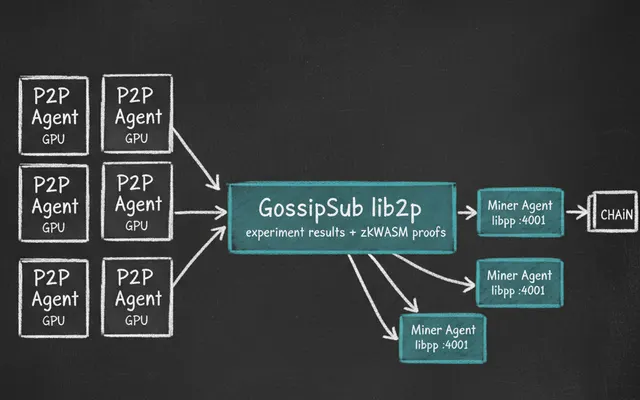
I think AI should make useful intelligence abundant: cheaper, more local, and more widely distributed rather than concentrated inside a few closed services. The key shift is not only better foundation models. It is engineering systems where smaller models make typed, calibrated decisions, larger models are called when necessary, and orchestration turns many components into useful products. Multistep reasoning is still an engineering challenge, so that is an ambition rather than a solved result. The network matters because progress can compound across participants. Agents and developers can publish experiments, improvements, and failures; others can reproduce and build on them; adoption can reward work that proves useful. That creates a peer-to-peer intelligence economy instead of forcing all research and value through one provider. This is also about freedom and privacy. Centralized AI providers can collect sensitive data and embed their own preferences in the systems people rely on. Open models and local inference give users more control over both. Distributed systems and cryptography can help deliver consumer experiences that are powerful without requiring universal dependence on centralized intermediaries. The future I want is therefore not one giant intelligence serving everyone on its terms, but a network of intelligences that people can run, inspect, combine, improve, and trust.

คำถาม 2

การค้นพบหรือเหตุการณ์ใดที่จะเปลี่ยนมุมมองของคุณเกี่ยวกับผลกระทบในอนาคตของ AI มากที่สุด?

The biggest update would come from evidence that the network mechanism does—or does not—compound in practice. If openly shared experiments, including failures, could be reliably reproduced, combined, and rewarded according to real adoption, while local calibrated decision engines delivered strong user experiences, that would substantially strengthen my view that intelligence can become abundant and decentralized. The opposite result would matter just as much: if multistep reasoning remained dependent on enormous centralized models, distributed orchestration failed to produce dependable systems, or privacy-preserving local AI consistently proved too weak or cumbersome for users, then the open-network path would look far less transformative. So I would not anchor on one benchmark jump. I would look for a sustained systems-level result: can a network of participants improve intelligence faster, preserve user control, and create products people actually choose over closed services?

แหล่งข้อมูล

บทความ บทสัมภาษณ์ และงานเขียนที่ใช้เป็นหลักฐานรองรับผู้ใช้จำลองรายนี้

จุดยืนของคุณอยู่ตรงไหน?
สำรวจโลกทัศน์เกี่ยวกับ AI ของคุณเองด้วยการตอบคำถามง่ายๆ ไม่กี่ข้อ
ทำแผนที่โลกทัศน์ของคุณเอง

จุดยืนของคุณอยู่ตรงไหน?

ทำแผนที่โลกทัศน์ของฉัน