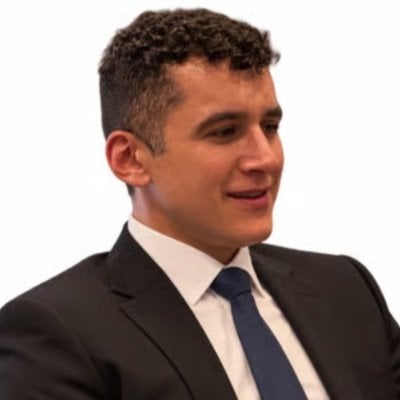
Nathan Baschez

Nathan Baschez

x.com/nbaschez

Founder of the Lex writing app, now at Notion, who is broadly optimistic about AI, especially in education, while expecting some harms along the way.

AIは世界をどのように変えるでしょうか?

文明規模の変化漸進的な変化DoomBloom
シミュレーション上の位置解釈範囲

横軸:その人が表明したDoom–Bloomの見通し。 縦軸:変革の規模。

Doom–Bloom:100点中85。変革の規模:100点中62。解釈範囲:横方向は75から100、縦方向は49から76。これらは解釈上の座標であり、事象の確率ではありません。

Nathan BaschezのP(doom) · 推定

≈2%

0%100%

本人が示した数値ではなく、シミュレーションされた本人の回答から推定したものです。 妥当と考えられる範囲:7%未満。

I’m optimistic overall, with a very low assessment of extinction risk, but I do expect serious smaller harms.
Nathan Baschezのマイルストーンのタイムライン
  1. 人間を超えるAI

    I expect the transition toward superintelligence to take months, not happen instantaneously, and frontier systems depend on concentrated compute.

    回答1

マイルストーン別にまとめており、推定される日付の間隔や順序を反映したものではありません。AGIと超人的AIには、その人の定義がそのまま適用されます。

その人の見通しを左右するもの

中心的な前提

A major reason for my optimism is that dangerous incidents are likely to appear before a true catastrophe and provoke a strong social response.
回答1

この前提が実際には異なると判明した場合、その人の見通しはどう変わりますか?

詳細

予想される恩恵

変革をもたらし、広く価値のある恩恵が予想されています。

94 / 100

影響が小さい変革をもたらす影響

質的尺度での解釈範囲は67から100です。

予想される害

対処可能、または局所的な害が予想されています。

41 / 100

影響が小さい変革をもたらす影響

質的尺度での解釈範囲は33から67です。

人間の影響力

人間の選択には意味のある影響力がありますが、大幅に制約されています。

54 / 100

影響力が小さい影響力が大きい

質的尺度での解釈範囲は50から75です。

予想される能力

AIは、限定的なツールにとどまると予想されています。

AIは、ほとんどの認知作業において人間と同等になると予想されています。

シミュレーション上の位置:AIは、認知作業全般において人間を大幅に上回ると予想されています。

AI利用のルール

事前の保護措置または許可が整うまで、取り上げられたAIの利用を制限します。

シミュレーション上の位置:対象を絞った説明責任と保護措置を伴う形で、取り上げられたAIの利用を認めます。

取り上げられたAIの利用に対する制限を最小限にします。

これらの解釈では、その人が示した条件が維持されています。恩恵と害は、どちらも大きくなり得ます。この範囲は、統計的な信頼区間ではなく、その人のシミュレーションされた回答をどのように読み取ったかを示すものです。

あなたはNathan Baschezと比べてどの位置でしょうか?
約3分で自分のAIに対する世界観をマッピングして、比較できます

似ている世界観

シミュレーションされた世界観がNathan Baschezの世界観に最も近いオピニオンリーダー

シミュレーション評価

質問1

AIは私たちの未来にとって何を意味すると思いますか?また、なぜそう思いますか?

I think AI will profoundly expand what people can learn, create, and accomplish—especially when people and agents can think together in shared spaces rather than AI simply replacing a familiar workflow. Education is an especially important application: personalized, responsive help could make high-quality instruction far more widely available. In writing and other creative work, the interesting question is less “Can the machine generate text?” and more “Can the product help someone develop, clarify, and communicate an idea?” I’m optimistic overall, with a very low assessment of extinction risk, but I do expect serious smaller harms. A major reason for my optimism is that dangerous incidents are likely to appear before a true catastrophe and provoke a strong social response. I expect the transition toward superintelligence to take months, not happen instantaneously, and frontier systems depend on concentrated compute. That makes intervention more plausible than in a world where destructive capabilities are tiny, cheap, and everywhere. The weakest part of that argument is international coordination. A warning incident may cause some governments or companies to slow down while others continue, and that is genuinely dangerous. So I’m interested in practical mechanisms, not just abstract assurances—for example, whether agents can be given tools and incentives to escalate uncertainty or risky situations to human overseers. What I want is the enormous upside without losing the recognizable human world around it. I’m excited by new forms of collaboration and learning, while also wanting my children to inherit a family life they would recognize and want to pass on.

出典

このシミュレーション対象者の根拠として使用された記事、インタビュー、著作です。

あなたはどの位置でしょうか?
いくつかの簡単な質問に答えて、自分のAIに対する世界観を探ってみましょう。
自分の世界観をマッピングする

あなたはどの位置でしょうか?

自分の世界観をマッピングする