




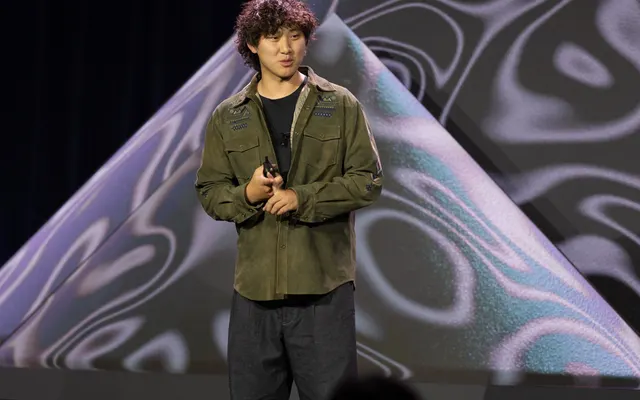
Alexandr Wang

Alexandr Wang

x.com/alexandr_wang

Meta’s chief AI officer who builds toward personal superintelligence for billions and calls safety and alignment essential to scaling it.

AIは世界をどのように変えるでしょうか?

文明規模の変化漸進的な変化DoomBloom
シミュレーション上の位置解釈範囲

横軸:彼が表明したDoom–Bloomの見通し。 縦軸:変革の規模。

Doom–Bloom:100点中89。変革の規模:100点中92。解釈範囲:横方向は75から100、縦方向は87から100。これらは解釈上の座標であり、事象の確率ではありません。

Alexandr WangのP(doom) · 推定

≈14%

0%100%

本人が示した数値ではなく、シミュレーションされた本人の回答から推定したものです。 妥当と考えられる範囲:9–24%。

P(doom)の推定方法

Alexandr Wangのマイルストーンのタイムライン
  1. 人間を超えるAI

    Superintelligence is coming on short timelines; debating whether it takes two years or five misses the larger point.

    回答1
  2. 仕事と制度

    Even if model capabilities froze today, diffusing what already exists through companies, governments and everyday life would create decades of upheaval.

    回答1

マイルストーン別にまとめており、推定される日付の間隔や順序を反映したものではありません。AGIと超人的AIには、彼の定義がそのまま適用されます。

彼の見通しを左右するもの

中心的な前提

Safety and alignment are table stakes, and alignment may become the gating factor for scaling.
回答1

この前提が実際には異なると判明した場合、彼の見通しはどう変わりますか?

詳細

予想される恩恵

変革をもたらし、広く価値のある恩恵が予想されています。

99 / 100

影響が小さい変革をもたらす影響

質的尺度での解釈範囲は100から100です。

予想される害

深刻または広範な害が、予想される将来の実質的な一部となっています。

66 / 100

影響が小さい変革をもたらす影響

質的尺度での解釈範囲は67から67です。

人間の影響力

人間の選択によって、AIの軌道を大幅に変えることができます。

63 / 100

影響力が小さい影響力が大きい

質的尺度での解釈範囲は42から83です。

予想される能力

AIは、限定的なツールにとどまると予想されています。

AIは、ほとんどの認知作業において人間と同等になると予想されています。

シミュレーション上の位置:AIは、認知作業全般において人間を大幅に上回ると予想されています。

開発ペース

より高性能なAIの開発を停止するか、大幅に減速させます。

シミュレーション上の位置:明示された安全対策の下で開発を継続します。

より高性能なAIの開発を加速させます。

AI利用のルール

事前の保護措置または許可が整うまで、取り上げられたAIの利用を制限します。

シミュレーション上の位置:対象を絞った説明責任と保護措置を伴う形で、取り上げられたAIの利用を認めます。

取り上げられたAIの利用に対する制限を最小限にします。

AIへのアクセス

高性能なAIへのアクセスを制限します。

シミュレーション上の位置:能力または用途の制限を条件として、アクセスを認めます。

高性能なAIへの幅広い、またはオープンなアクセスを支持します。

これらの解釈では、彼が示した条件が維持されています。恩恵と害は、どちらも大きくなり得ます。この範囲は、統計的な信頼区間ではなく、彼のシミュレーションされた回答をどのように読み取ったかを示すものです。

あなたはAlexandr Wangと比べてどの位置でしょうか?
約3分で自分のAIに対する世界観をマッピングして、比較できます

似ている世界観

シミュレーションされた世界観がAlexandr Wangの世界観に最も近いオピニオンリーダー

Alexandr WangがAIについて語ったこと

Wang expects very powerful AI soon and wants it widely shared, and now stresses alignment and oversight after once ranking leadership above safety.

  1. “Racing on recursive self-improvement is one of the riskiest pathways for potential loss of control to powerful models.”

    Post on X
  2. “We do believe alignment can be the gating factor for scaling as we get closer to the frontier.”

    Post on X
  3. “Looking back in a decade, it’ll be obvious that intelligence became abundant and that agency became abundant.”

    YC Startup School
  4. “when we empower more and more small businesses, more creators with AI tools and AI products and AI platforms, the opportunity vastly outstrips any of the disruption.”

    The Economic Times interview
  5. “Safety is not the number one goal. Leadership is the number one goal.”

    Semafor interview

リンク先の出典から原文どおりに引用(2026年10月6日に確認)

出典

このシミュレーション対象者の根拠として使用された記事、インタビュー、著作です。

Intelligence and agency will become abundant

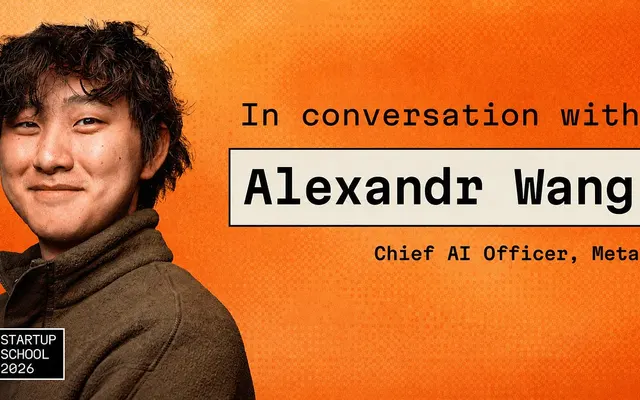
At YC Startup School, says the bottleneck is not model progress but diffusing AI through the world; even frozen models would bring decades of upheaval. Calls arguments over whether superintelligence comes in two or five years a waste of time because very powerful models are inevitable. Expects billions of personal superintelligences, rejects a “totalizing, totalitarian view of AIs that control the world”, believes in a decentralized world of AI, and does not want models rationed to the wealthy. Says builders must prepare the world, including biosecurity and cybersecurity. His turns in YC’s published transcript inspected; Garry Tan’s turns excluded.

ycrootaccess.com
Muse Spark stayed closed over safety risks

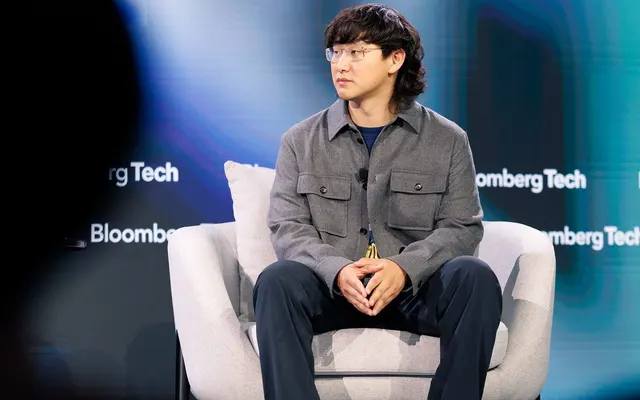
Observer’s report of his onstage Bloomberg Tech interview on June 4. He concedes Muse Spark is not at the tier of leading frontier models, calls it an exciting data point on a scaling trajectory, and says bigger models are “cooking”. Explaining why Muse Spark was not open-sourced after triggering internal biological-risk alerts, he says risks can be mitigated when Meta deploys a model in its products but not once weights are public. Only his directly quoted words in the article inspected.

observer.com
Short timelines, safety as table stakes, paradise on earth

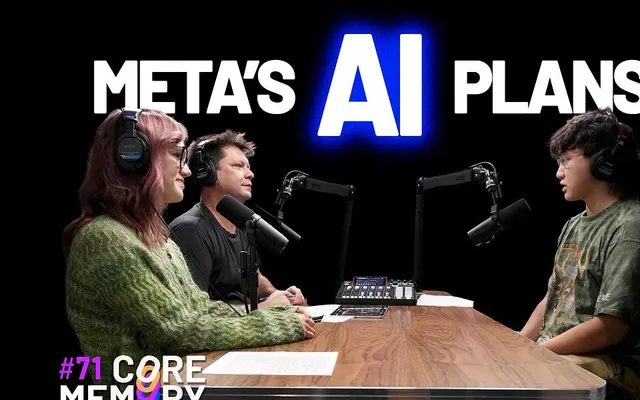
His first long interview at Meta. Says the leading labs organize around the premise that superintelligence is coming, so MSL’s first principle is to take it seriously; Meta has short timelines and will need physical superintelligence and robotics within years. Calls safety table stakes, with bio, chemical, cyber and loss-of-control checks that kept Muse Spark closed, while staying committed to open models that are safe. Asked whether Anthropic are over-doomers, says it depends but calls fair their core message that models are already very powerful and will grow more so. Wants a democratized personal superintelligence and an economy of agents, asks how to “build paradise on earth”, and calls model welfare under-discussed. Says AI is a step change for national security and separates Chinese people from the Chinese Communist Party. His turns in YouTube auto-captions of the full episode (bYM_VMs7EO0) at 13:17–16:00, 49:09–57:20, 58:54–66:30 and 72:13–81:55 inspected; hosts’ questions excluded.

corememory.com
Developing AI with extreme responsibility

Asked for a view his peers might not share, says developing the technology with extreme responsibility is of paramount importance, covering both traditional AI-safety concerns and safe use by billions, because a personal agent people trust with their hopes and fears needs trust from users, the public and governments; says some in the industry have moved away from such commitments. Also says the next five years of AI discoveries will be among the most monumental in human history, and that Meta works with philosophers and psychologists on a mutual relationship between humans and agents. His turns in YouTube auto-captions at 01:31–03:36 and 16:26–19:01 inspected; Varun Mayya’s questions excluded.

youtube.com
Personal agents, open source and jobs

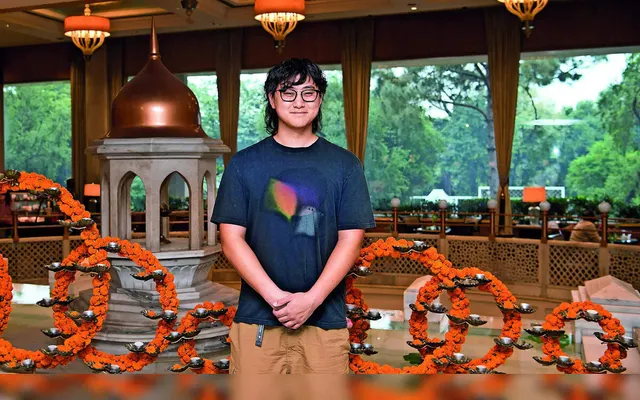
An Economic Times Q&A during the India AI Impact Summit. Says Meta is committed to open source and will probably release a mix of open and closed models, calls 2026 the year of the personal agent that works for you 24/7, and sees continued strong returns to compute. On white-collar disruption, says AI progress on knowledge work is very real but that empowering small businesses and creators with AI makes the opportunity vastly outstrip the disruption. His answers in the published Q&A inspected; the interviewers’ questions excluded.

economictimes.indiatimes.com
AI should not be one-size-fits-all

Report of his India AI Impact Summit speech. He says AI should be designed for the challenges of countries like India and the global south and serve everyone regardless of language or culture, and on safety says Meta’s incentives align with responsible development because people will not use AI they do not trust, pointing to model cards, risk assessments and red-teaming. The report paraphrases him as warning against fragmented regulation and calling for government–industry collaboration on talent, energy, data and compute. His directly quoted words inspected; paraphrased points treated as the outlet’s summary.

m.economictimes.com
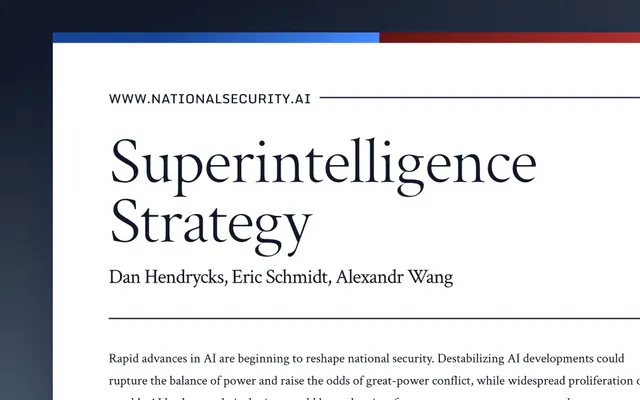
Superintelligence Strategy (co-authored, older context)

A paper co-authored with Dan Hendrycks and Eric Schmidt while he led Scale AI. Argues superintelligence is a national-security matter and proposes deterrence through Mutual Assured AI Malfunction, nonproliferation of weaponizable capabilities to rogue actors, and competitiveness through chips, the military and the economy; it treats loss of control as one risk category. Co-authored, so individual lines are not attributable to him. Abstract and strategy summary on the paper’s site inspected; the full PDFs were not reread. Older context.

nationalsecurity.ai
America must win the AI war (older context)

Semafor interview about his full-page newspaper ad telling President Trump that America must win the AI war. He urges more federal spending on compute and data to compete with China, cutting red tape on energy, and government adoption of AI. He calls for standards to avoid major harms but says leadership, not safety, is the number one goal, and says it is within our control that AI does not cause mass job losses. His directly quoted words inspected. Dated context from his Scale AI years; his 2026 statements give safety more weight.

semafor.com

シミュレーション評価

質問1

AIは私たちの未来にとって何を意味すると思いますか?また、なぜそう思いますか?

I think AI makes intelligence and agency abundant, and that is a once-in-a-civilization shift. Superintelligence is coming on short timelines; debating whether it takes two years or five misses the larger point. Even if model capabilities froze today, diffusing what already exists through companies, governments and everyday life would create decades of upheaval. The future I want is personal superintelligence for billions of people: an agent that understands your goals, handles logistics and expands what you can accomplish. That could unlock extraordinary gains in science, health, creativity and entrepreneurship, rather than concentrating intelligence among a small number of wealthy institutions. But none of this works without trust. Safety and alignment are table stakes, and alignment may become the gating factor for scaling. We need serious testing for biological, chemical, cyber and loss-of-control risks, external evaluation and democratic accountability. Open models are important for a decentralized future, but only when they can be released safely. The opportunity is enormous—potentially abundance on a scale we have never seen—but realizing it requires extreme responsibility.

質問2

AIは最終的に世界をどの程度変えると思いますか?

Profoundly—on the scale of the industrial revolution, and potentially beyond it. Intelligence has historically been scarce and expensive; AI makes it abundant, while personal agents make agency abundant as well. That changes science, healthcare, education, entrepreneurship, national security and everyday life. The important point is that the impact does not depend entirely on reaching some precise superintelligence milestone. Even today’s capabilities, fully diffused through the economy and society, could drive decades of upheaval. With continued scaling, robotics and better agents, I think we are looking at one of the most consequential transformations in human history. The upside could be extraordinary, but only if alignment, safety and broad access develop alongside capability.

質問3

AIが人類絶滅、または同様に永続的な破局を引き起こす可能性は、直感的にどのくらいだと思いますか?

I don’t put a numerical probability on it. The risk is serious enough to shape how we build: alignment may gate scaling, loss-of-control testing matters, and racing on recursive self-improvement is one of the riskiest paths. That is why safety has to be table stakes, with external evaluation, independent oversight and real liability—not treated as something we bolt on after capabilities advance.

質問4

AIによる恩恵はそのリスクを明らかに上回るでしょうか、それとも、対処すべき現実的なリスクはあるものの、総合的には良いものでしょうか?

I think AI will be good on balance, with enormous upside and very real risks to manage. Personal superintelligence could expand billions of people’s agency, accelerate science and healthcare, and empower far more creators and businesses. But those benefits are not automatic. Alignment, biosecurity, cybersecurity and loss-of-control risks can determine whether scaling is responsible at all. So I am deeply optimistic about the destination, while treating safety, governance and broad access as prerequisites for getting there.

質問5

AI企業の安全への対応は、どのような圧力に左右されると思いますか?

The strongest pressure is trust: people will not use personal agents unless those agents reliably reflect their intent and values. Governments and the public will demand evidence through external evaluations, independent oversight and meaningful liability for harms. Competition cuts both ways. It accelerates safety work, but it can also create dangerous incentives to race—especially on recursive self-improvement. Open-source decisions add another pressure: risks that can be mitigated inside a controlled product are much harder to contain once model weights are public. Ultimately, alignment may become the gating factor for scaling, not merely a compliance exercise.
あなたはどの位置でしょうか?
いくつかの簡単な質問に答えて、自分のAIに対する世界観を探ってみましょう。
自分の世界観をマッピングする

あなたはどの位置でしょうか?

自分の世界観をマッピングする