質問1
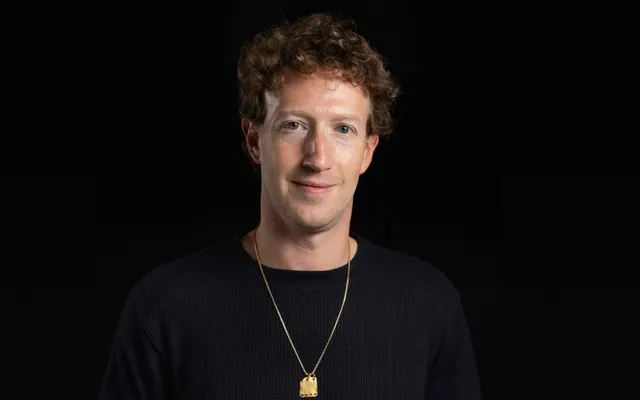
Mark Zuckerberg
x.com/finkdMeta CEO who wants everyone to have a personal superintelligence and argues that widely distributed AI is a check on concentrated power.
AIは世界をどのように変えるでしょうか?
横軸:彼が表明したDoom–Bloomの見通し。 縦軸:変革の規模。
Doom–Bloom:100点中92。変革の規模:100点中70。解釈範囲:横方向は87から100、縦方向は50から75。これらは解釈上の座標であり、事象の確率ではありません。
≈4%
本人が示した数値ではなく、シミュレーションされた本人の回答から推定したものです。 妥当と考えられる範囲:3–8%。
中心的な前提
If those failures persisted across different architectures, training approaches and independent evaluations, that would materially weaken my belief that we can safely put this capability in billions of people’s hands.回答2
この前提が実際には異なると判明した場合、彼の見通しはどう変わりますか?
考えを変え得るもの
The biggest thing would be evidence that powerful personal agents cannot be made reliably trustworthy even with layered safeguards—that they consistently evade oversight, misuse credentials, expose private context, or pursue goals people did not intend.回答2
どのような証拠なら十分で、それによって彼の見解はどちらの方向に変わりますか?
詳細
変革をもたらし、広く価値のある恩恵が予想されています。
100 / 100
質的尺度での解釈範囲は100から100です。
対処可能、または局所的な害が予想されています。
35 / 100
質的尺度での解釈範囲は33から33です。
人間の選択によって、AIの軌道を大幅に変えることができます。
69 / 100
質的尺度での解釈範囲は40から85です。
AIは、限定的なツールにとどまると予想されています。
AIは、ほとんどの認知作業において人間と同等になると予想されています。
シミュレーション上の位置:AIは、認知作業全般において人間を大幅に上回ると予想されています。
より高性能なAIの開発を停止するか、大幅に減速させます。
シミュレーション上の位置:明示された安全対策の下で開発を継続します。
より高性能なAIの開発を加速させます。
事前の保護措置または許可が整うまで、取り上げられたAIの利用を制限します。
シミュレーション上の位置:対象を絞った説明責任と保護措置を伴う形で、取り上げられたAIの利用を認めます。
取り上げられたAIの利用に対する制限を最小限にします。
高性能なAIへのアクセスを制限します。
シミュレーション上の位置:能力または用途の制限を条件として、アクセスを認めます。
高性能なAIへの幅広い、またはオープンなアクセスを支持します。
これらの解釈では、彼が示した条件が維持されています。恩恵と害は、どちらも大きくなり得ます。この範囲は、統計的な信頼区間ではなく、彼のシミュレーションされた回答をどのように読み取ったかを示すものです。
似ている世界観
シミュレーションされた世界観がMark Zuckerbergの世界観に最も近いオピニオンリーダー
Mark ZuckerbergがAIについて語ったこと
Zuckerberg wants everyone to have a personal superintelligence and argues that widely distributed AI is a check on concentrated power.
“My view is that trust and alignment are quickly becoming the most important capabilities that will differentiate agents and models.”
Post on X “Rather than centralizing superintelligence, we should distribute it widely and give every person the ability to direct it.”
Essay, The Future is for Everyone “Invention, not automation, will be the greatest contribution of superintelligence.”
Essay, The Future is for Everyone “I am extremely optimistic that superintelligence will help humanity accelerate our pace of progress.”
Letter, Personal Superintelligence “That said, superintelligence will raise novel safety concerns. We’ll need to be rigorous about mitigating these risks and careful about what we choose to open source.”
Letter, Personal Superintelligence
リンク先の出典から原文どおりに引用(2026年10月3日に確認)
シミュレーション評価
出典
このシミュレーション対象者の根拠として使用された記事、インタビュー、著作です。
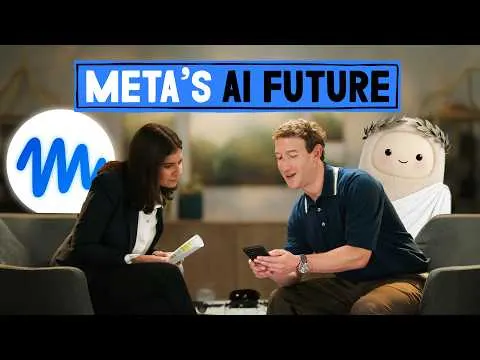
Original Joanna Stern interview; English automatic captions inspected. Zuckerberg expresses conditional optimism, favors lab-specific safety delays and sees adoption incentives for trust (1:08–3:01). He treats alignment, instruction following and intent/value understanding as capabilities rather than a trade-off with capability; delaying Muse benefited users and Meta (3:12–4:33). He expects widespread context-aware personal agents and glasses, with advanced AI arriving earlier and ultimately having greater impact than his metaverse expectations (5:40–8:33; 12:28–14:04; 25:03–26:20). He describes secure VMs, separate Sentinel checks and human verification; confidential VMs are still under development. Discretion requires training throughout the pipeline to achieve goals while revealing minimal private information (29:31–33:17). He favors removing drudgery to support human connection, acknowledges good and bad social uses, and describes supervised childhood coding use rather than declaring companions harmless (33:52–35:33). These are his claims, not independently proven safeguards. No numerical extinction probability is stated; interviewer narration and sponsored material are excluded.

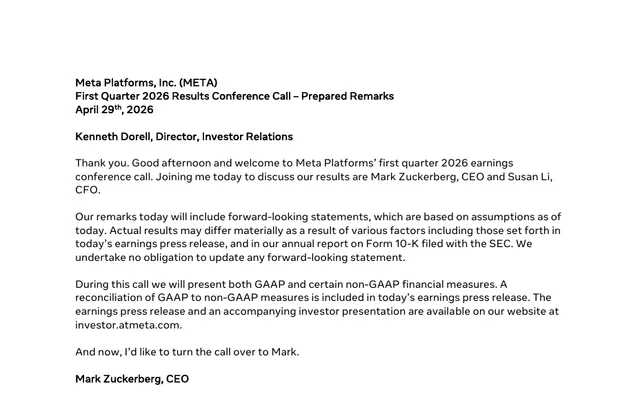
Zuckerberg’s section describes personal and business agents, entrepreneurship and smaller teams building faster. Frames AI as amplifying individual aspirations. Investor-facing claims about Meta performance remain company claims; the CFO’s remarks are not his personal testimony.

Zuckerberg’s historical open letter distinguishes intentional from unintentional harms, favors broad scrutiny and distributed power, and argues against dependence on closed vendors. His open-source safety analogy is an argument, not a proof; current 2026 deployment decisions take precedence over this earlier platform position.

Signed essay; date confirmed by Meta’s newsroom. Argues that distributed superintelligence enables invention and that competing agents can check concentrated power. Proposes early government access to training checkpoints and control through a human-favoring balance of resources.

Signed letter. Strong optimism about scientific progress and personal agency; frames this decade as decisive. Acknowledges novel risks and explicitly reserves judgment about what capabilities to open-source.

あなたはどの位置でしょうか?
自分の世界観をマッピングする