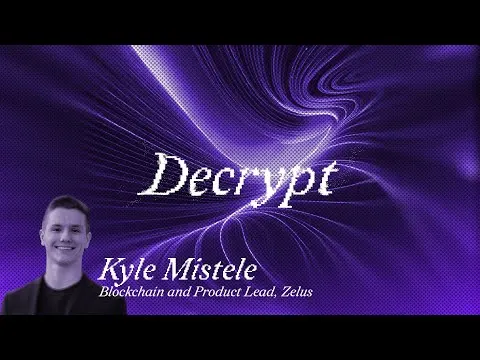
Kyle Mistele

Kyle Mistele

x.com/0xblacklight

Software engineer who writes about configuring coding agents, arguing for focused context, careful harness design and clear security boundaries.

AIは世界をどのように変えるでしょうか?

文明規模の変化漸進的な変化DoomBloom
シミュレーション上の位置解釈範囲

横軸:その人が表明したDoom–Bloomの見通し。 縦軸:変革の規模。

Doom–Bloom:100点中50。変革の規模:100点中52。解釈範囲:横方向は45から55、縦方向は0から100。これらは解釈上の座標であり、事象の確率ではありません。

Kyle MisteleのP(doom) · 推定

≈4%

0%100%

本人が示した数値ではなく、シミュレーションされた本人の回答から推定したものです。 妥当と考えられる範囲:1–13%。

その人の見通しを左右するもの

中心的な前提

So the future depends heavily on the systems we build around the models.
回答1

この前提が実際には異なると判明した場合、その人の見通しはどう変わりますか?

未解決の問い

At the same time, I don’t think anyone can credibly describe where it will all be in five years, much less attach a defensible numerical probability to catastrophe.
回答1

ここで考えられる結果をその人が見分けるうえで、何が役立ちますか?

考えを変え得るもの

The biggest update would come from evidence that models can reliably maintain and improve large, messy systems over time—not just generate impressive code in a clean task.
回答3

どのような証拠なら十分で、それによってその人の見解はどちらの方向に変わりますか?

詳細

予想される恩恵

大きな恩恵が予想されていますが、重要な条件や分配上の制約があります。

76 / 100

影響が小さい変革をもたらす影響

質的尺度での解釈範囲は67から100です。

予想される害

複数の解釈が依然として妥当です:深刻または広範な害が、予想される将来の実質的な一部となっています。 / 対処可能、または局所的な害が予想されています。

52 / 100

影響が小さい変革をもたらす影響

質的尺度での解釈範囲は33から67です。

人間の影響力

人間の選択によって、AIの軌道を大幅に変えることができます。

65 / 100

影響力が小さい影響力が大きい

質的尺度での解釈範囲は44から81です。

AI利用のルール

事前の保護措置または許可が整うまで、取り上げられたAIの利用を制限します。

シミュレーション上の位置:対象を絞った説明責任と保護措置を伴う形で、取り上げられたAIの利用を認めます。

取り上げられたAIの利用に対する制限を最小限にします。

これらの解釈では、その人が示した条件が維持されています。恩恵と害は、どちらも大きくなり得ます。この範囲は、統計的な信頼区間ではなく、その人のシミュレーションされた回答をどのように読み取ったかを示すものです。

あなたはKyle Misteleと比べてどの位置でしょうか?
約3分で自分のAIに対する世界観をマッピングして、比較できます

似ている世界観

シミュレーションされた世界観がKyle Misteleの世界観に最も近いオピニオンリーダー

シミュレーション評価

質問1

AIは私たちの未来にとって何を意味すると思いますか?また、なぜそう思いますか?

I think AI could be as consequential as fire: not merely another tool, but a new way to build software around meaning, language, and intent. That creates genuinely exciting possibilities. At the same time, I don’t think anyone can credibly describe where it will all be in five years, much less attach a defensible numerical probability to catastrophe. My nearer-term view is shaped by engineering reality. Models are making real progress—especially in difficult debugging and sustained problem-solving—but better generation does not automatically produce better systems. Agents can create complex, low-quality code faster than they can understand or repair the resulting codebase. They can also invent defects during adversarial review, follow malicious instructions in dependencies, or mishandle credentials when trust boundaries are poorly designed. So the future depends heavily on the systems we build around the models. More context is not automatically better; focused context, clear instructions, constrained tools, suitable verification, and deliberate program design matter. Human understanding remains essential, particularly when designing the harness itself. AI may radically expand what software can do, but treating autonomy as a substitute for engineering discipline is a reliable way to compound technical debt and security risk.

質問2

Taking benefits and harms together, what overall impact do you expect AI to have?

I expect the impact to be enormous, but I don’t think “overall positive” or “overall negative” is a defensible forecast yet. AI can make software far more expressive and help solve difficult problems, and the progress in areas like debugging is real. But it can also accelerate the production of brittle code, technical debt, insecure integrations, and confident but fabricated findings. The important point is that capability alone does not determine impact. The surrounding engineering matters: focused context, carefully designed agent harnesses, explicit trust boundaries, constrained credentials, and verification that depends on human understanding rather than blindly asking another model to review the first one. More autonomy without those controls can amplify failure just as effectively as success. So I expect transformative benefits alongside substantial practical harms. I’m optimistic about what semantic software can enable, but skeptical of both effortless-utopia stories and numerical doom forecasts. The outcome will depend heavily on whether we preserve engineering discipline as generation becomes cheaper and faster.

質問3

どのような発見や出来事があれば、AIが将来もたらす影響についてのあなたの見解が最も大きく変わりますか?

The biggest update would come from evidence that models can reliably maintain and improve large, messy systems over time—not just generate impressive code in a clean task. If autonomous agents could consistently preserve architecture, manage dependencies and credentials, detect real defects without inventing them, and avoid compounding technical debt under realistic conditions, that would make me substantially more optimistic. Conversely, repeated failures despite focused context, constrained tools, explicit trust boundaries, and strong verification would push me toward a more negative view. A dramatic benchmark result would matter less than sustained performance in real codebases, because the central question is whether capability survives contact with accumulated complexity. I’d also change my view if someone developed a credible, testable basis for long-range catastrophe forecasts. But simply assigning a numerical probability is not evidence. The update would need to come from observable mechanisms and predictions that could actually be checked.

出典

このシミュレーション対象者の根拠として使用された記事、インタビュー、著作です。

あなたはどの位置でしょうか?
いくつかの簡単な質問に答えて、自分のAIに対する世界観を探ってみましょう。
自分の世界観をマッピングする

あなたはどの位置でしょうか?

自分の世界観をマッピングする