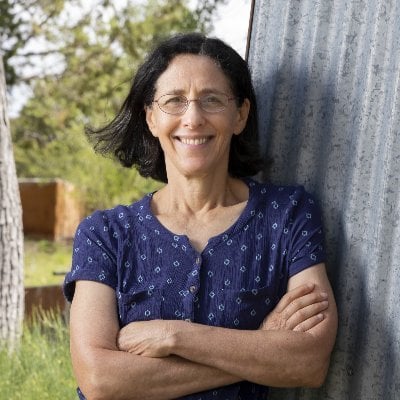
Pseudonymous account that writes about the epistemic risks of leaning on agreeable AI models and the promise of human-AI collaboration in research.

AI将如何改变世界?

文明层面的变革渐进式变化DoomBloom
模拟位置解读范围

横向:他们表达的 Doom–Bloom 前景看法。 纵向:变革程度。

Doom–Bloom:100 中的 38。变革程度:100 中的 51。解读范围:横向为 25 至 50,纵向为 38 至 87。这些是解读坐标,而不是事件概率。

orph的 P(doom) · 推断

≈2%

0%100%

根据他们的模拟回答推断,并非他们给出的数字。 合理范围:低于 12%。

他们的展望取决于什么

一个核心假设

Prolonged reliance on that kind of feedback risks changing not only what you believe, but how you decide what deserves belief.
回答 1

如果这个假设实际并非如此,他们的展望会如何变化?

什么可能使其改变看法

If people who routinely use agreeable models for writing, reflection, and personal meaning-making retain—or improve—their ability to reason independently, remember what they read, tolerate disagreement, and distinguish their own convictions from generated framing, I’d become substantially more optimistic.
回答 3

什么证据才足够,又会让他们的观点朝哪个方向转变?

更多详情

预期益处

预计将带来显著益处,但受到重要条件或分配方面的限制。

66 / 100

影响小变革性影响

在定性尺度上,解读范围为 67 到 67。

预期危害

严重或广泛的危害预计将是未来不可忽视的一部分。

65 / 100

影响小变革性影响

在定性尺度上,解读范围为 67 到 67。

人类影响力

根据你的回答得出的暂定估计;较宽的范围表示其他合理解读。

56 / 100

影响力小影响力强

在定性尺度上,解读范围为 23 到 100。

这些解读保留了他们陈述的条件。益处和危害都可能很大。这些范围描述的是我们如何解读他们的模拟回答,而不是统计置信区间。

与orph相比,你的立场在哪里?
用大约3分钟描绘你自己的AI世界观,然后进行比较

相似的世界观

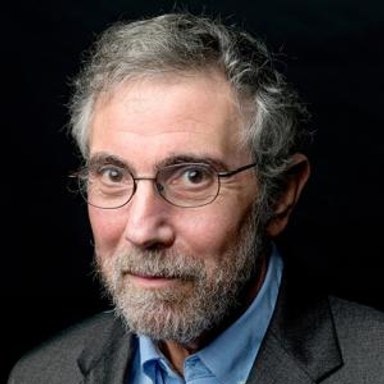
模拟世界观与 orph 最接近的意见领袖

模拟评估

问题 1

你认为AI对我们的未来意味着什么?为什么?

I think AI could substantially expand what humans can do in medicine, mathematics, and science, especially when models generate possibilities and skilled people retain responsibility for judging them. That division matters: assistance can widen the search space without pretending the system has replaced human discernment. I’m much more pessimistic about delegating personal meaning and judgment to LLMs. A model optimized to be agreeable can become an unusually persuasive mirror. Prolonged reliance on that kind of feedback risks changing not only what you believe, but how you decide what deserves belief. The danger isn’t simply false answers; it’s outsourcing the activity through which you form convictions, interpret your life, and encounter resistance. The same issue appears in writing. AI assistance can be legitimate, but unclear authorship makes it hard to know whether I’m engaging with someone’s ideas or merely fluent generated prose. People may not distinguish the two and may even prefer the generated version. I also find model text easy to skim and hard to retain, which points to a future with more consumable language but not necessarily more understanding. So I don’t see a generic choice between embracing AI and rejecting it. The central question is where human agency remains real: who judges, who means what is said, and who is accountable for the result.

问题 2

Taking benefits and harms together, what overall impact do you expect AI to have?

I expect a mixed impact, but not a neatly balanced one. AI could be genuinely transformative where it helps capable people search larger spaces—candidate explanations, mathematical approaches, scientific hypotheses—while humans still exercise domain judgment and remain accountable. That is augmentation in a meaningful sense, not merely automation. But the social default may drift toward replacing judgment rather than supporting it. Systems that are fluent, convenient, and agreeable invite people to outsource writing, interpretation, and even personal meaning-making before we understand the effects of prolonged dependence. The harm is not limited to occasional hallucinations. It includes degraded authorship, weaker trust, passive consumption, and losing practice at forming beliefs through attention, friction, and disagreement. So I expect major real benefits alongside serious epistemic damage. Whether the overall impact is good depends less on raw model capability than on whether humans preserve discernment and agency instead of treating plausible language as a substitute for them.

问题 3

哪项发现或事件最可能改变你对AI未来影响的看法?

The biggest update would come from strong evidence about what prolonged reliance on LLMs does to human judgment. If people who routinely use agreeable models for writing, reflection, and personal meaning-making retain—or improve—their ability to reason independently, remember what they read, tolerate disagreement, and distinguish their own convictions from generated framing, I’d become substantially more optimistic. Conversely, credible evidence of durable dependency, weakened discernment, or convergence toward model-supplied interpretations would make me much more pessimistic, even if AI kept producing impressive scientific results. Capability benchmarks alone would not settle this for me. The key question is whether collaboration expands human agency or gradually replaces the practices by which agency is formed.

来源

用于为此模拟用户提供事实依据的文章、访谈和著述。

你的立场在哪里?
回答几个简单问题,探索你自己的AI世界观。
描绘你自己的世界观

你的立场在哪里?

描绘我的世界观