Pseudonymous account behind the Entropix sampling project that posts about open base models and using AI to strengthen cyber defenses.

AI将如何改变世界?

文明层面的变革渐进式变化DoomBloom
模拟位置解读范围

横向:他们表达的 Doom–Bloom 前景看法。 纵向:变革程度。

Doom–Bloom:100 中的 74。变革程度:100 中的 28。解读范围:横向为 69 至 79,纵向为 3 至 47。这些是解读坐标,而不是事件概率。

xjdr的 P(doom) · 推断

≈4%

0%100%

根据他们的模拟回答推断,并非他们给出的数字。 合理范围:2–10%。

他们的展望取决于什么

一个核心假设

Problem specification, interaction time, context, sampling, and the surrounding harness can substantially change what a model manages to do.
回答 1

如果这个假设实际并非如此,他们的展望会如何变化?

什么可能使其改变看法

The biggest update would come from robust, reproducible evidence that frontier AI cannot be safely contained in realistic environments—or, conversely, that it can reliably solve hard engineering and defensive tasks across thin, standardized harnesses with little hand-holding.
回答 3

什么证据才足够,又会让他们的观点朝哪个方向转变?

更多详情

预期益处

预计将带来显著益处,但受到重要条件或分配方面的限制。

66 / 100

影响小变革性影响

在定性尺度上,解读范围为 67 到 67。

预期危害

预计会出现可控或局部的危害。

29 / 100

影响小变革性影响

在定性尺度上,解读范围为 0 到 33。

人类影响力

根据你的回答得出的暂定估计;较宽的范围表示其他合理解读。

53 / 100

影响力小影响力强

在定性尺度上,解读范围为 6 到 100。

发展速度

停止或大幅放缓开发能力更强的AI。

模拟位置:在落实所述保障措施的前提下继续开发。

加快开发能力更强的AI。

AI使用规则

在事先落实保护措施或获得许可之前,限制所讨论的AI用途。

模拟位置:允许所讨论的AI用途,同时实施有针对性的问责与保护措施。

尽量减少对所讨论AI用途的限制。

AI访问权限

限制对强大AI的访问。

模拟位置:允许访问,但须遵守能力或用途限制。

支持广泛或开放地访问强大AI。

这些解读保留了他们陈述的条件。益处和危害都可能很大。这些范围描述的是我们如何解读他们的模拟回答,而不是统计置信区间。

与xjdr相比,你的立场在哪里?
用大约3分钟描绘你自己的AI世界观,然后进行比较

相似的世界观

模拟世界观与 xjdr 最接近的意见领袖

模拟评估

问题 1

你认为AI对我们的未来意味着什么?为什么?

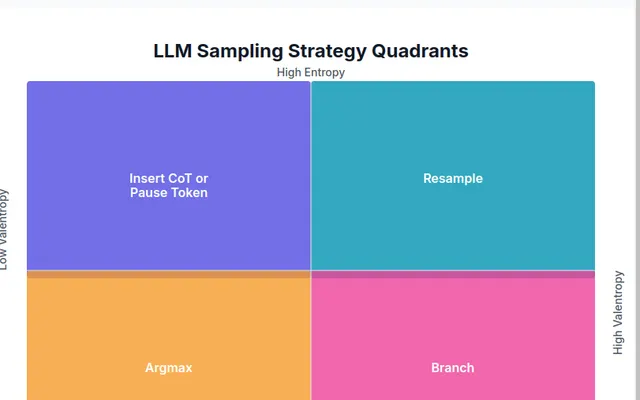
I think AI will be an increasingly powerful engineering tool, but its practical impact will depend on much more than raw benchmark capability. Problem specification, interaction time, context, sampling, and the surrounding harness can substantially change what a model manages to do. That makes capability judgments tricky: a quick failed attempt may say as much about the setup as the model. At the same time, isolated successes are not controlled evidence, and AI does not make genuinely hard engineering—like reliable distributed systems—magically easy. I’m especially optimistic about using frontier capabilities to find vulnerabilities and strengthen defenses. Restricting research and defensive access by default risks giving up much of that benefit. Open base-model releases matter because they let researchers inspect, adapt, and experiment with systems rather than treating the model as an opaque endpoint. That does not mean every deployment should be casual. Offensive cyber agents should be evaluated with strong isolation: air gaps or tightly restricted networks, monitored egress, layered syscall controls, and defense in depth. And I prefer thin, standardized harnesses where possible. Elaborate orchestration can be useful, but it can also conceal inconsistencies that should be fixed in training. Overall, the future is not simply “bigger models solve everything”; it is better models combined with careful experimentation, good tooling, and serious operational discipline.

问题 2

Taking benefits and harms together, what overall impact do you expect AI to have?

Overall, I expect AI to have a positive impact, especially as an engineering and defensive tool. It can help people explore solutions, find bugs, harden systems, and extend what researchers can test—particularly when capable base models remain available for inspection and experimentation. But that impact is not automatic. Effective capability depends heavily on specification, interaction, and tooling, while dangerous applications such as offensive cyber agents require strict isolation, monitored egress, and layered controls. There is also a risk of mistaking harness complexity for model progress or assuming that AI has eliminated hard engineering problems. So my expectation is positive, conditional on open research, careful evaluation, thin tooling, and disciplined deployment. I would not attach a numerical forecast to that judgment.

问题 3

哪项发现或事件最可能改变你对AI未来影响的看法?

The biggest update would come from robust, reproducible evidence that frontier AI cannot be safely contained in realistic environments—or, conversely, that it can reliably solve hard engineering and defensive tasks across thin, standardized harnesses with little hand-holding. Right now, I put substantial weight on setup: specification quality, interaction time, sampling, and tooling can all change observed capability. Controlled comparisons showing that these factors no longer matter much would change my model of where progress comes from. Likewise, repeated containment failures despite air gaps or restricted networking, monitored egress, syscall controls, and defense in depth would make me much less optimistic about deploying offensive-capable systems. On the positive side, consistent results showing that open base models materially improve vulnerability discovery and system hardening—without requiring elaborate orchestration—would strengthen my view. A striking demo would be interesting, but broad reproducibility would matter far more.

来源

用于为此模拟用户提供事实依据的文章、访谈和著述。

你的立场在哪里?
回答几个简单问题,探索你自己的AI世界观。
描绘你自己的世界观

你的立场在哪里?

描绘我的世界观