Question 1
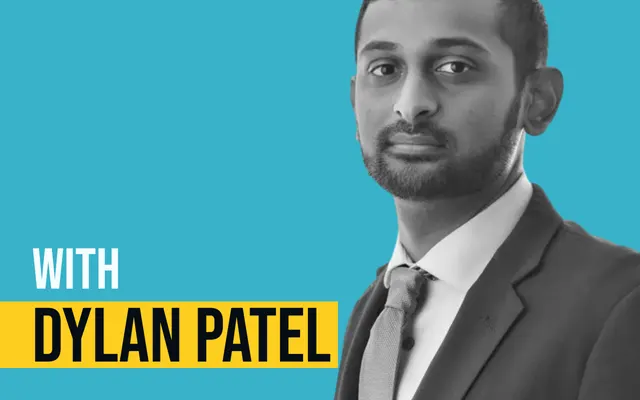
Dylan Patel
x.com/dylan522pFounder of SemiAnalysis who tracks AI chips and compute, expects fast AI progress and worries about power concentration and public backlash.
How will AI change the world?
Across: his expressed Doom–Bloom outlook. Up: scale of transformation.
Doom–Bloom: 61 out of 100. Scale of transformation: 87 out of 100. Interpretation ranges: 50 to 75 horizontally, 75 to 100 vertically. These are interpretation coordinates, not event probabilities.
≈7%
Inferred from his simulated answers, not a number they gave. Plausible range: 3–19%.
A central assumption
But “ultimately” hides the hard part: diffusion may lag capability because the best models are expensive, compute-constrained and increasingly reserved for labs or a few connected customers.Answer 2
If this assumption turned out differently, how would his outlook change?
An unresolved question
So I cannot tell you whether smarter-than-human AI escapes human control.Answer 4
What would help him distinguish the plausible outcomes here?
More details
Substantial benefits are expected, with important conditions or distribution limits.
69 / 100
Interpretation range 67 to 67 on the qualitative scale.
Severe or widespread harm is a material expected part of the future.
67 / 100
Interpretation range 67 to 67 on the qualitative scale.
Human choices can make limited changes, but dominant forces constrain the outcome.
36 / 100
Interpretation range 24 to 51 on the qualitative scale.
AI is expected to remain bounded tools.
AI is expected to match people across most cognitive work.
Simulated position: AI is expected to substantially exceed people across cognitive work.
These interpretations keep his stated conditions. Benefits and harms can both be substantial. The ranges describe how we read his simulated answers, not statistical confidence intervals.
Similar worldviews
Thought leaders whose simulated worldviews are closest to Dylan Patel’s
Simulated Assessment
Sources
Articles, interviews, and writings used to ground this simulated user.
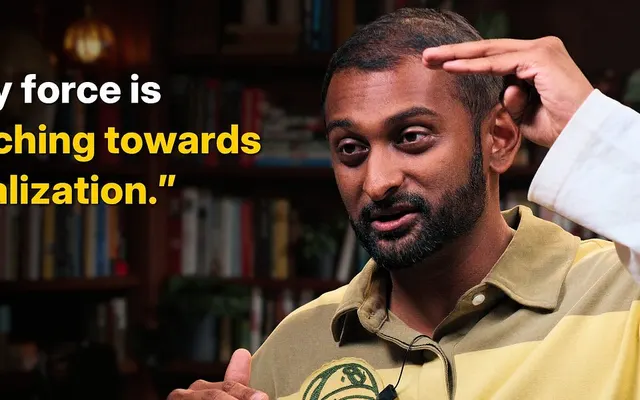
Dwarkesh Podcast. Says OpenAI and Anthropic took about a third of new compute in 2026 and, if trends continue (“I see nothing that’s stopping it”), will control most usable FLOPs by end-2028, and that labs are shifting compute from inference to R&D. Regulation (labs not releasing their best models, state data-center bans), public anger and rising interest rates will bend the curve; slow takeoff is “at least my hope”, and “we could tear ourselves apart before we get there”. Calls the push toward centralization “scary as hell”, says he trusts neither the government nor Dario Amodei nor Sam Altman, and sees a choice between super-concentration where we pray one company gets everything right and governments slowing things for a balance of power. Own turns in the publisher transcript inspected, 00:00–00:07, 00:25:40–00:33:27 and 00:48:48 to the end.

Invest Like the Best, episode 469. Describes SemiAnalysis spending about $7 million a year on Claude Code against roughly $25 million in salaries, and says other firms will soon cut staff when one person does the work of five to fifteen. Says the uncertainty causes some fear about how society reforms itself when implementation is cheap and choosing ideas matters, and expects the newest models to be deployed ever more narrowly, concentrating token value among the well-connected. Predicts large-scale protests against Anthropic and OpenAI within three months because people hate AI, and says lab leaders should stop giving interviews about world-changing capabilities and show present, uplifting uses instead. Own turns read in an undiarized auto-caption copy (the publisher transcript is members-only); turns identified by question-and-answer structure.

Dwarkesh Podcast. Says OpenAI and Anthropic know what compute they need while Nvidia and the rest of the supply chain are not “AGI-pilled” and build less, making ASML’s EUV tools the main constraint by about 2030. If takeoff or timelines are slow, China can catch up drastically through subsidies and a vertical supply chain; distillation will get harder as labs sell automated work rather than visible reasoning. Thinks Elon Musk sees Taiwan risk as huge, and that losing Taiwan’s fabs would shrink global GDP and stall compute growth. Own turns in the publisher transcript inspected, 01:05:37–01:16:01 and 02:14:07 to the end, with spot reads elsewhere.

Matthew Berman interview. Says the junior developer market is “nuked” and AI tools are for everyone, not just coders. Describes himself as a lifelong capitalist from a family that ran a motel and gas stations who has come to think UBI is fine because society will otherwise rip itself apart; predicts the next election will be AI-focused with an anti-AI party winning as more than half of Americans view AI negatively and everything gets blamed on it. Calls degrowth a terrible idea because technology creates abundance, while saying cheap dopamine makes people less happy. Own turns read in an undiarized auto-generated transcript fetched through a web reader; the passages used contain his first-person biography, and no quotes are taken.

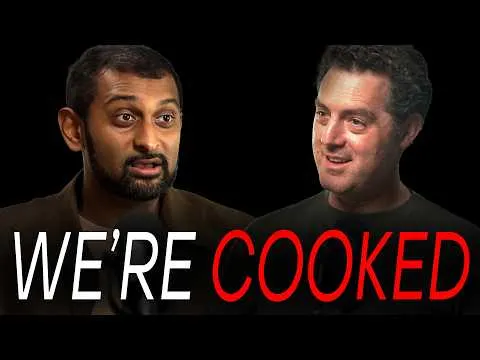
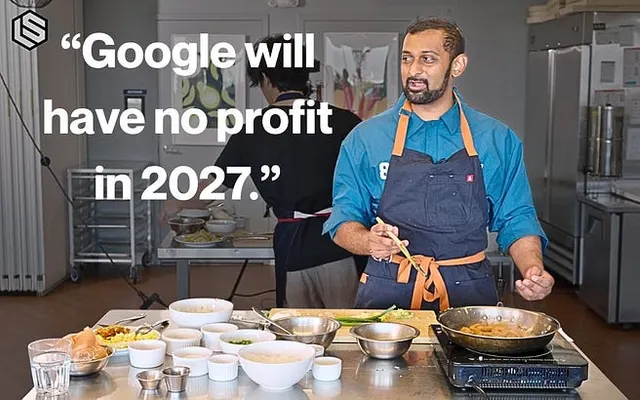
Latent Space cooking episode. Says he is not fully on board with AI 2027 but is pretty bullish on AI; AI is a bubble only if model progress slows, and it is accelerating month on month. Names the biggest risk as the general public hating AI, expects a real backlash from both the financial class and ordinary people, and says any party that wants to win should become the anti-AI party. On whether AI kills us all, says there is obviously risk but it is not his expertise and he does not care to opine. Own turns in the publisher’s speaker-labeled transcript inspected, 00:13:50–00:21:30 and 00:35:30–00:38:45.

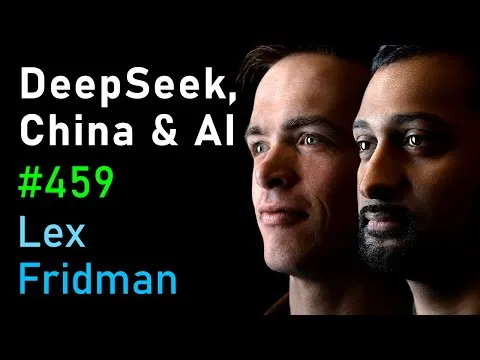
Lex Fridman Podcast #459 with Nathan Lambert. Says capabilities some would call AGI may arrive around 2027–2028 but cost will limit deployment, so “really awesome intelligence” comes before it permeates the economy; export controls only make sense on short timelines; Sam Altman’s point that superhuman persuasion may come before superhuman intelligence is a real risk. At the end says humanity will suffer a lot less and he is very optimistic, but worries about techno-fascism in which a few people, merged with AGI through brain-computer interfaces, rule everyone else. Own turns in the publisher transcript inspected (searched passages on AGI, export controls, persuasion and the closing segment); older context.

Where do you land?
Map my worldview