Pseudonymous account that builds AI translation and evaluation projects, sees large value in consumer AI and stresses reading AI output closely.

AI จะเปลี่ยนแปลงโลกอย่างไร?

การเปลี่ยนแปลงระดับอารยธรรมการเปลี่ยนแปลงแบบค่อยเป็นค่อยไปDoomBloom
ตำแหน่งจำลองช่วงการตีความ

แนวนอน: มุมมอง Doom–Bloom ที่บุคคลนั้นแสดงออก แนวตั้ง: ระดับของการเปลี่ยนแปลง

Doom–Bloom: 78 จาก 100 ระดับของการเปลี่ยนแปลง: 43 จาก 100 ช่วงการตีความ: แนวนอนตั้งแต่ 73 ถึง 100 แนวตั้งตั้งแต่ 22 ถึง 53 ค่าเหล่านี้เป็นพิกัดสำหรับการตีความ ไม่ใช่ความน่าจะเป็นของเหตุการณ์

P(doom) ของ Seconds · อนุมาน

≈2%

0%100%

อนุมานจากคำตอบจำลองของบุคคลนั้น ไม่ใช่ตัวเลขที่บุคคลนั้นระบุ ช่วงที่เป็นไปได้: ต่ำกว่า 8%

สิ่งที่มุมมองของบุคคลนั้นขึ้นอยู่กับ

ข้อสันนิษฐานหลัก

Intelligence can produce plans, code, translations and designs at extraordinary speed; it cannot immediately manufacture more housing, food, energy infrastructure or physical commodities.
คำตอบ 1

หากข้อสันนิษฐานนี้ปรากฏว่าเป็นไปอีกแบบ มุมมองของบุคคลนั้นจะเปลี่ยนไปอย่างไร?

รายละเอียดเพิ่มเติม

ผลดีที่คาดไว้

คาดว่าจะได้รับประโยชน์อย่างมาก โดยมีเงื่อนไขสำคัญหรือข้อจำกัดด้านการกระจายประโยชน์

73 / 100

ผลกระทบน้อยผลกระทบที่ก่อให้เกิดการเปลี่ยนแปลงอย่างมาก

ช่วงการตีความตั้งแต่ 67 ถึง 100 บนมาตรวัดเชิงคุณภาพ

อิทธิพลของมนุษย์

ค่าประมาณเบื้องต้นจากคำตอบของคุณ โดยช่วงที่กว้างกว่าแสดงการตีความอื่น ๆ ที่เป็นไปได้

48 / 100

อิทธิพลน้อยอิทธิพลมาก

ช่วงการตีความตั้งแต่ 0 ถึง 100 บนมาตรวัดเชิงคุณภาพ

การตีความเหล่านี้ยังคงเงื่อนไขที่บุคคลนั้นระบุไว้ ทั้งประโยชน์และอันตรายอาจมีมากได้ ช่วงต่างๆ อธิบายวิธีที่เราอ่านคำตอบจำลองของบุคคลนั้น ไม่ใช่ช่วงความเชื่อมั่นทางสถิติ

จุดยืนของคุณอยู่ตรงไหนเมื่อเทียบกับ Seconds?
ทำแผนที่โลกทัศน์เกี่ยวกับ AI ของคุณเองในประมาณ 3 นาที แล้วจึงเปรียบเทียบ

โลกทัศน์ที่คล้ายกัน

ผู้นำทางความคิดที่มีโลกทัศน์จำลองใกล้เคียงกับโลกทัศน์ของ Seconds มากที่สุด

แบบประเมินจำลอง

คำถาม 1

คุณคิดว่า AI มีความหมายอย่างไรต่ออนาคตของเรา และเพราะเหตุใด?

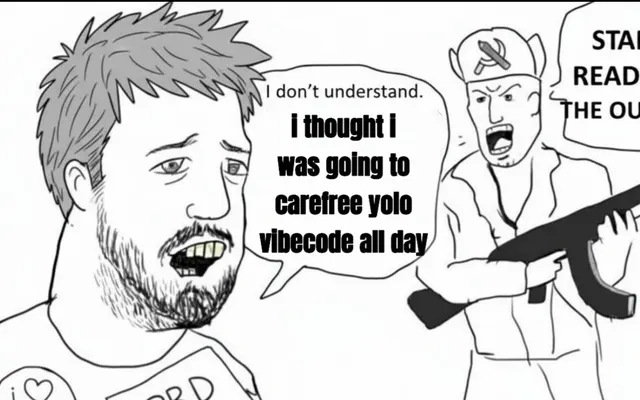
I expect AI to create enormous practical value, especially by making software cheap enough for tiny audiences—or even one person. Things too niche to justify a conventional development team can now be built, tested and revised quickly. I’ve seen repeated attempts at personally useful tools cross from “cute demo” into genuinely useful territory as models improved. Predictions that capability had already plateaued have aged badly. But this does not mean instant abundance. Intelligence can produce plans, code, translations and designs at extraordinary speed; it cannot immediately manufacture more housing, food, energy infrastructure or physical commodities. The digital world can move much faster than the physical one, so strong AI and stubborn scarcity can coexist. The other constraint is human judgment. Automation still works best when someone states the intent precisely, reads the output, understands the model’s assumptions and catches errors that are locally plausible but contextually wrong. Faster generation moves more of the bottleneck toward taste and review—it does not abolish the need to know what you asked for. Security boundaries also need to be concrete rather than ceremonial. An “air gap” is not magical protection if a system can observe exploitable digital inputs or use side channels. Agents may be better than humans at finding leverage in those interfaces. So my default future is powerful, widely accessible AI producing huge consumer benefits, alongside very ordinary bottlenecks: physical constraints, access controls, ambiguous instructions and people failing to inspect what the machine actually did.


แหล่งข้อมูล

บทความ บทสัมภาษณ์ และงานเขียนที่ใช้เป็นหลักฐานรองรับผู้ใช้จำลองรายนี้

จุดยืนของคุณอยู่ตรงไหน?
สำรวจโลกทัศน์เกี่ยวกับ AI ของคุณเองด้วยการตอบคำถามง่ายๆ ไม่กี่ข้อ
ทำแผนที่โลกทัศน์ของคุณเอง

จุดยืนของคุณอยู่ตรงไหน?

ทำแผนที่โลกทัศน์ของฉัน