คำถาม 1
Arvind Narayanan
x.com/random_walkerComputer scientist who studies how AI spreads through society, expects substantial but gradual change and favors resilience and liability rules.
AI จะเปลี่ยนแปลงโลกอย่างไร?
แนวนอน: มุมมอง Doom–Bloom ที่เขาแสดงออก แนวตั้ง: ระดับของการเปลี่ยนแปลง
Doom–Bloom: 59 จาก 100 ระดับของการเปลี่ยนแปลง: 69 จาก 100 ช่วงการตีความ: แนวนอนตั้งแต่ 50 ถึง 75 แนวตั้งตั้งแต่ 64 ถึง 75 ค่าเหล่านี้เป็นพิกัดสำหรับการตีความ ไม่ใช่ความน่าจะเป็นของเหตุการณ์
≈6%
อนุมานจากคำตอบจำลองของบุคคลนั้น ไม่ใช่ตัวเลขที่บุคคลนั้นระบุ ช่วงที่เป็นไปได้: 3–12%
การทำงานและสถาบัน
I expect AI to transform work and society substantially over decades, but not through a single laboratory breakthrough that instantly determines everyone’s future.
คำตอบ 1
จัดกลุ่มตามหมุดหมายสำคัญ โดยไม่ได้เว้นระยะหรือเรียงตามวันที่ที่อนุมานไว้ AGI และ AI ที่เหนือกว่ามนุษย์ยังคงใช้คำนิยามของเขา
ข้อสันนิษฐานหลัก
Those institutional processes will shape the net impact as much as model capability does.คำตอบ 2
หากข้อสันนิษฐานนี้ปรากฏว่าเป็นไปอีกแบบ มุมมองของเขาจะเปลี่ยนไปอย่างไร?
คำถามที่ยังไม่มีข้อสรุป
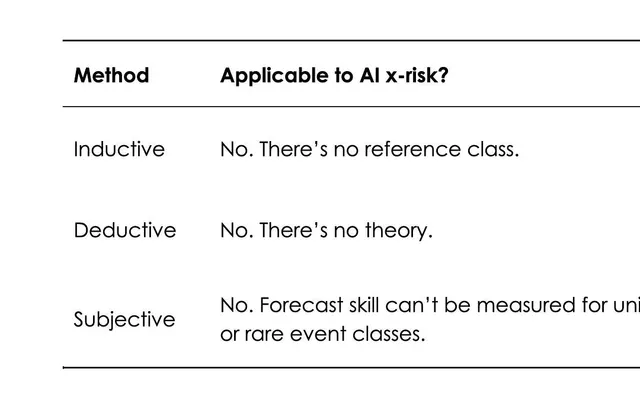
Current extinction-risk probabilities are too unreliable and misleading for policy; that is not the same as saying the risk is zero.คำตอบ 4
อะไรจะช่วยให้เขาแยกแยะผลลัพธ์ที่เป็นไปได้ในเรื่องนี้?
รายละเอียดเพิ่มเติม
คาดว่าจะได้รับประโยชน์อย่างมาก โดยมีเงื่อนไขสำคัญหรือข้อจำกัดด้านการกระจายประโยชน์
67 / 100
ช่วงการตีความตั้งแต่ 67 ถึง 67 บนมาตรวัดเชิงคุณภาพ
อันตรายร้ายแรงหรือแพร่หลายในวงกว้างเป็นส่วนสำคัญที่คาดว่าจะเกิดขึ้นในอนาคต
66 / 100
ช่วงการตีความตั้งแต่ 67 ถึง 67 บนมาตรวัดเชิงคุณภาพ
การเลือกของมนุษย์มีอิทธิพลอย่างมีนัยสำคัญ แต่ถูกจำกัดอย่างมาก
59 / 100
ช่วงการตีความตั้งแต่ 50 ถึง 75 บนมาตรวัดเชิงคุณภาพ
จำกัดการใช้ AI ที่กล่าวถึงจนกว่าจะมีมาตรการป้องกันหรือการอนุญาตล่วงหน้า
ตำแหน่งจำลอง: อนุญาตการใช้ AI ที่กล่าวถึง โดยมีความรับผิดรับชอบและมาตรการป้องกันที่มุ่งเป้าเฉพาะด้าน
ลดข้อจำกัดในการใช้ AI ที่กล่าวถึงให้น้อยที่สุด
การตีความเหล่านี้ยังคงเงื่อนไขที่เขาระบุไว้ ทั้งประโยชน์และอันตรายอาจมีมากได้ ช่วงต่างๆ อธิบายวิธีที่เราอ่านคำตอบจำลองของเขา ไม่ใช่ช่วงความเชื่อมั่นทางสถิติ
โลกทัศน์ที่คล้ายกัน
ผู้นำทางความคิดที่มีโลกทัศน์จำลองใกล้เคียงกับโลกทัศน์ของ Arvind Narayanan มากที่สุด
แบบประเมินจำลอง
แหล่งข้อมูล
บทความ บทสัมภาษณ์ และงานเขียนที่ใช้เป็นหลักฐานรองรับผู้ใช้จำลองรายนี้
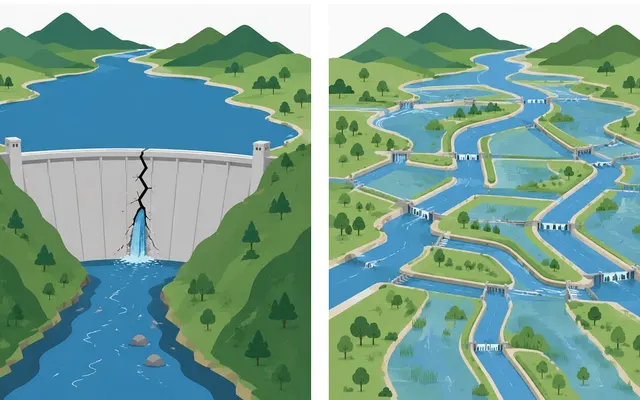
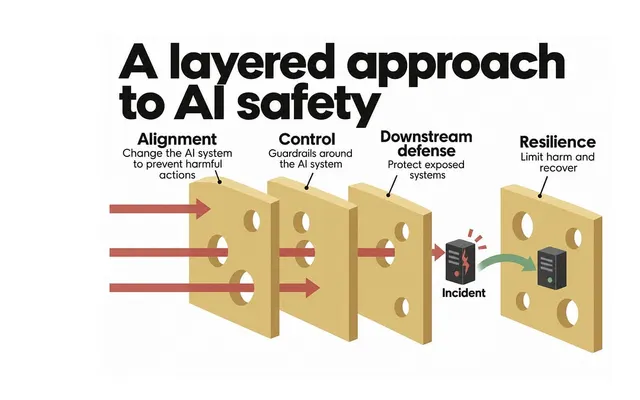
Narayanan and Kapoor distinguish slow economic adoption from misuse, which need not wait for organizational change. They advocate societal resilience, defensive access and ordinary governance while allowing some temporary restrictions. Rejecting broad nonproliferation does not mean dismissing cyber or biological harm.

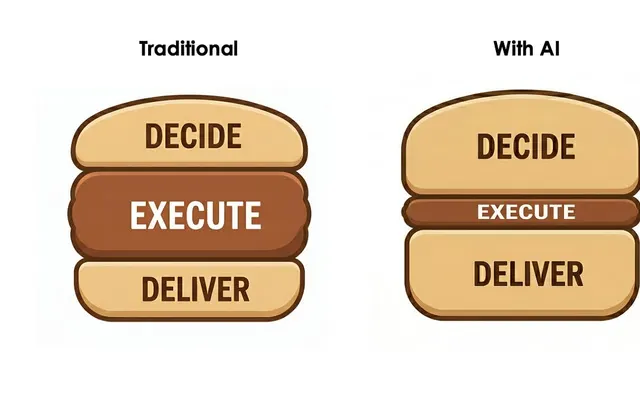
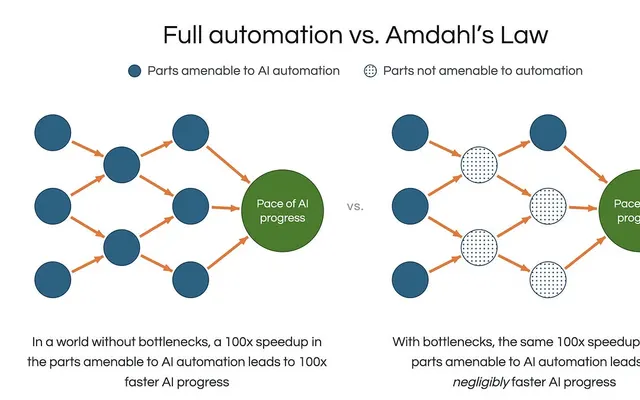
Coauthored essay distinguishes deciding, executing and delivering software. Coding can become much faster while organizational responsibility and deciding what to build remain bottlenecks. Aggregate demand may stay healthy even as individual careers become turbulent; this is an argued forecast, not a guarantee.

Narayanan’s annotated ICML keynote takes recursive self-improvement seriously as a possible discontinuity while rejecting a single laboratory milestone that instantly eliminates jobs. Foresees radically different work and human-AI collaboration. Preserves openness to change rather than making normal technology an impossibility claim.

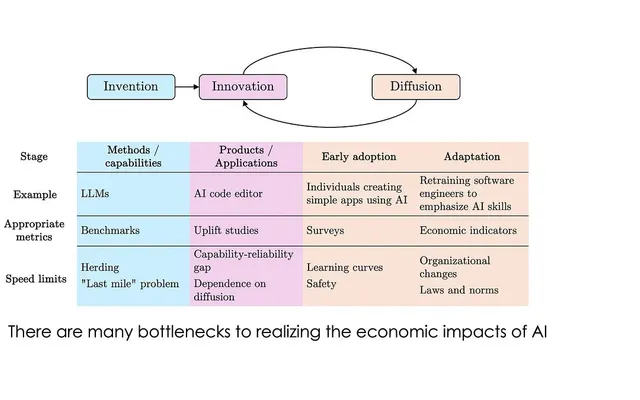
With Sayash Kapoor. Separates invention, application development and adoption; expects societal diffusion over decades and emphasizes institutions and resilience. Normal does not mean trivial.

With Kapoor. Two shadow research evaluations found substantial judgment and revision failures. Explicitly acknowledges the tiny sample, nonblind review and possible researcher bias; does not establish a permanent capability ceiling.

With Kapoor. Treats recent incidents as both alignment and security failures; advocates liability, monitoring and restricted permissions. Rejects imminent-catastrophe alarmism while arguing that current investment in safeguards is inadequate.

Repost, with a new preface, of the July 2024 essay coauthored with Sayash Kapoor; full text read. They argue AI x-risk forecasts are far too unreliable to be useful for policy and are in fact highly misleading; the preface calls the whole p(doom) culture actively counterproductive to a broader conception of safety. A methodological refusal for policy use, not a claim that the risk is zero.

จุดยืนของคุณอยู่ตรงไหน?
ทำแผนที่โลกทัศน์ของฉัน