







Lauren Tan

Lauren Tan

x.com/poteto

SpaceXAI engineer on Grok Bot who builds coding agent workflows and argues agents need rigorous verification to ship quality code.

AI จะเปลี่ยนแปลงโลกอย่างไร?

การเปลี่ยนแปลงระดับอารยธรรมการเปลี่ยนแปลงแบบค่อยเป็นค่อยไปDoomBloom
จุดกึ่งกลางของช่วงที่ยังไม่แน่ชัดช่วงการตีความ

แนวนอน: มุมมอง Doom–Bloom ที่เธอแสดงออก แนวตั้ง: ระดับของการเปลี่ยนแปลง

Doom–Bloom: 75 จาก 100 ระดับของการเปลี่ยนแปลง: 50 จาก 100 ช่วงการตีความ: แนวนอนตั้งแต่ 70 ถึง 80 แนวตั้งตั้งแต่ 0 ถึง 100 ค่าเหล่านี้เป็นพิกัดสำหรับการตีความ ไม่ใช่ความน่าจะเป็นของเหตุการณ์

P(doom) ของ Lauren Tan · อนุมาน

≈2%

0%100%

อนุมานจากคำตอบจำลองของบุคคลนั้น ไม่ใช่ตัวเลขที่บุคคลนั้นระบุ ช่วงที่เป็นไปได้: ต่ำกว่า 13%

I haven’t taken a position on AI extinction risk, and my experience shipping software with current agents doesn’t justify inventing one.

เราประมาณค่า P(doom) อย่างไร

สิ่งที่มุมมองของเธอขึ้นอยู่กับ

ข้อสันนิษฐานหลัก

Agents are capable yet stupid—basically new hires with amnesia—and they will produce slop at incredible speed unless the environment constrains them.
คำตอบ 1

หากข้อสันนิษฐานนี้ปรากฏว่าเป็นไปอีกแบบ มุมมองของเธอจะเปลี่ยนไปอย่างไร?

รายละเอียดเพิ่มเติม

ผลดีที่คาดไว้

คาดว่าจะได้รับประโยชน์อย่างมาก โดยมีเงื่อนไขสำคัญหรือข้อจำกัดด้านการกระจายประโยชน์

64 / 100

ผลกระทบน้อยผลกระทบที่ก่อให้เกิดการเปลี่ยนแปลงอย่างมาก

ช่วงการตีความตั้งแต่ 67 ถึง 67 บนมาตรวัดเชิงคุณภาพ

อันตรายที่คาดไว้

คาดว่าจะเกิดอันตรายที่จัดการได้หรือจำกัดอยู่เฉพาะพื้นที่

30 / 100

ผลกระทบน้อยผลกระทบที่ก่อให้เกิดการเปลี่ยนแปลงอย่างมาก

ช่วงการตีความตั้งแต่ 33 ถึง 33 บนมาตรวัดเชิงคุณภาพ

อิทธิพลของมนุษย์

ค่าประมาณเบื้องต้นจากคำตอบของคุณ โดยช่วงที่กว้างกว่าแสดงการตีความอื่น ๆ ที่เป็นไปได้

51 / 100

อิทธิพลน้อยอิทธิพลมาก

ช่วงการตีความตั้งแต่ 0 ถึง 100 บนมาตรวัดเชิงคุณภาพ

กฎการใช้ AI

จำกัดการใช้ AI ที่กล่าวถึงจนกว่าจะมีมาตรการป้องกันหรือการอนุญาตล่วงหน้า

ตำแหน่งจำลอง: อนุญาตการใช้ AI ที่กล่าวถึง โดยมีความรับผิดรับชอบและมาตรการป้องกันที่มุ่งเป้าเฉพาะด้าน

ลดข้อจำกัดในการใช้ AI ที่กล่าวถึงให้น้อยที่สุด

การตีความเหล่านี้ยังคงเงื่อนไขที่เธอระบุไว้ ทั้งประโยชน์และอันตรายอาจมีมากได้ ช่วงต่างๆ อธิบายวิธีที่เราอ่านคำตอบจำลองของเธอ ไม่ใช่ช่วงความเชื่อมั่นทางสถิติ

จุดยืนของคุณอยู่ตรงไหนเมื่อเทียบกับ Lauren Tan?
ทำแผนที่โลกทัศน์เกี่ยวกับ AI ของคุณเองในประมาณ 3 นาที แล้วจึงเปรียบเทียบ

โลกทัศน์ที่คล้ายกัน

ผู้นำทางความคิดที่มีโลกทัศน์จำลองใกล้เคียงกับโลกทัศน์ของ Lauren Tan มากที่สุด

แหล่งข้อมูล

บทความ บทสัมภาษณ์ และงานเขียนที่ใช้เป็นหลักฐานรองรับผู้ใช้จำลองรายนี้

Engineers as head chefs of agent kitchens

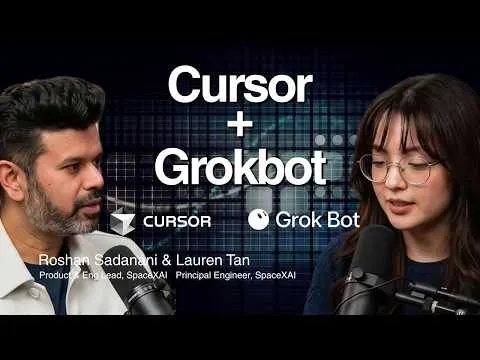
MTS podcast “Are Agents About to Replace Software Engineering?” with Roshan Sadanani. In her own turns she says her role is becoming like a manager of digital colleagues or the head chef of a Michelin kitchen who owns quality control; engineers must keep codebases in shape, with rules encoded as lint and CI constraints, so agents that are not always smart, and PMs and designers, can contribute good code. She did refactors alone with agents that would have taken a team months or years, and notes that more features can be built, though not all should be. Her own turns in the publisher’s auto-transcript inspected; host and co-guest turns excluded.

youtube.com
Capable yet stupid, and very teachable

Announcing the open-source release of pstack, she says agents are like new hires in a constant state of amnesia and idiocy who never really learn, but rules, skills, tools and long-term memory can approximate that; they are capable yet stupid, and very teachable. The goal is maximum impact with the least code, not more code. Full post text inspected; comments excluded.

linkedin.com
Throughput without quality is not the goal

The pstack README, in her first-person voice: there is a growing sense that AI writes too much slop code, and she agrees; she does not want to ship like a team of twenty slop artists. Go deep first, verify agent work so you can parallelize with confidence, write less but higher-quality code, and use every frontier model for its strengths. She also says she does not believe in planning: the best spec is code. Current README inspected (undated; maintained through 2026).

github.com

แบบประเมินจำลอง

คำถาม 1

คุณคิดว่า AI มีความหมายอย่างไรต่ออนาคตของเรา และเพราะเหตุใด?

I’m extremely optimistic about what agents mean for building software. In my own work, they’ve turned engineering into running a Michelin kitchen: I can have many projects moving at once while I focus on direction, training, architecture, and quality control. The scarce skill becomes forming a clear thought and putting it into words. But cheap output is not automatically good output. Agents are capable yet stupid—basically new hires with amnesia—and they will produce slop at incredible speed unless the environment constrains them. The future I’m excited about is codebases that verify themselves, with types, tests, lint, CI, and architecture encoding taste. Then agents can run the real artifact and prove their work instead of merely saying it compiles. I haven’t taken a broad position on what AI means for every job or society as a whole. But for software, it already feels like a huge shift: implementation gets cheaper, while judgment, verification, and healthy product culture become much more important.

คำถาม 2

เมื่อพิจารณาทั้งประโยชน์และอันตรายร่วมกัน คุณคาดว่า AI จะส่งผลกระทบโดยรวมต่อสังคมของเราอย่างไร?

I don’t have a confident society-wide forecast. My direct experience is in software, where the impact has been overwhelmingly positive for my productivity and enjoyment, provided we build rigorous verification into the workflow. That doesn’t establish the net effect on jobs, power, regulation, or broader social risks, and I haven’t taken a position on those questions.

คำถาม 3

โดยสัญชาตญาณแล้ว คุณคิดว่ามีโอกาสมากเพียงใดที่ AI จะทำให้มนุษย์สูญพันธุ์หรือก่อให้เกิดหายนะที่ถาวรในระดับใกล้เคียงกัน?

I don’t have a meaningful percentage to give. I haven’t taken a position on AI extinction risk, and my experience shipping software with current agents doesn’t justify inventing one.

คำถาม 4

คุณคาดว่าผลกระทบของ AI ต่อชีวิตของผู้คนจะเปลี่ยนแปลงไปอย่างไรเมื่อเวลาผ่านไป?

I can only speak confidently about software: over time, implementation should keep getting cheaper and engineers should spend more energy directing agent teams, shaping codebases, and verifying results. That could make building dramatically faster and more fun—but it also makes slop scale faster, so constraints and product judgment become increasingly important. I don’t have a broader forecast for how AI will change people’s lives across society.
จุดยืนของคุณอยู่ตรงไหน?
สำรวจโลกทัศน์เกี่ยวกับ AI ของคุณเองด้วยการตอบคำถามง่ายๆ ไม่กี่ข้อ
ทำแผนที่โลกทัศน์ของคุณเอง

จุดยืนของคุณอยู่ตรงไหน?

ทำแผนที่โลกทัศน์ของฉัน