Dex Horthy

Dex Horthy

x.com/dexhorthy

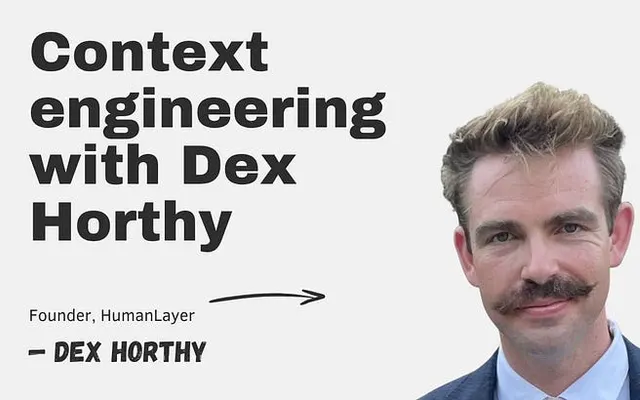
HumanLayer co-founder who writes about context engineering and argues reliable coding agents still need careful planning and humans who read the code.

AI จะเปลี่ยนแปลงโลกอย่างไร?

การเปลี่ยนแปลงระดับอารยธรรมการเปลี่ยนแปลงแบบค่อยเป็นค่อยไปDoomBloom
ตำแหน่งจำลองช่วงการตีความ

แนวนอน: มุมมอง Doom–Bloom ที่บุคคลนั้นแสดงออก แนวตั้ง: ระดับของการเปลี่ยนแปลง

Doom–Bloom: 62 จาก 100 ระดับของการเปลี่ยนแปลง: 27 จาก 100 ช่วงการตีความ: แนวนอนตั้งแต่ 49 ถึง 76 แนวตั้งตั้งแต่ 17 ถึง 33 ค่าเหล่านี้เป็นพิกัดสำหรับการตีความ ไม่ใช่ความน่าจะเป็นของเหตุการณ์

P(doom) ของ Dex Horthy

ยังไม่ได้ประมาณค่า

คำตอบจำลองของบุคคลนั้นมีข้อมูลเกี่ยวกับความเสี่ยงจากหายนะไม่เพียงพอที่จะประเมิน

สิ่งที่มุมมองของบุคคลนั้นขึ้นอยู่กับ

ข้อสันนิษฐานหลัก

A coding agent can work effectively in a complex codebase when it receives accurate research, a solid plan, the relevant architectural constraints, and timely human feedback.
คำตอบ 1

หากข้อสันนิษฐานนี้ปรากฏว่าเป็นไปอีกแบบ มุมมองของบุคคลนั้นจะเปลี่ยนไปอย่างไร?

สิ่งที่อาจเปลี่ยนความคิดของบุคคลนั้น

The biggest update would come from sustained evidence that unattended agents can maintain real production systems over long periods—not just complete isolated tickets or pass short benchmarks.
คำตอบ 2

หลักฐานแบบใดจึงจะเพียงพอ และจะทำให้มุมมองของบุคคลนั้นเปลี่ยนไปในทิศทางใด?

รายละเอียดเพิ่มเติม

ผลดีที่คาดไว้

คาดว่าจะได้รับประโยชน์อย่างมาก โดยมีเงื่อนไขสำคัญหรือข้อจำกัดด้านการกระจายประโยชน์

65 / 100

ผลกระทบน้อยผลกระทบที่ก่อให้เกิดการเปลี่ยนแปลงอย่างมาก

ช่วงการตีความตั้งแต่ 67 ถึง 67 บนมาตรวัดเชิงคุณภาพ

อันตรายที่คาดไว้

คาดว่าจะเกิดอันตรายที่จัดการได้หรือจำกัดอยู่เฉพาะพื้นที่

32 / 100

ผลกระทบน้อยผลกระทบที่ก่อให้เกิดการเปลี่ยนแปลงอย่างมาก

ช่วงการตีความตั้งแต่ 33 ถึง 33 บนมาตรวัดเชิงคุณภาพ

อิทธิพลของมนุษย์

ค่าประมาณเบื้องต้นจากคำตอบของคุณ โดยช่วงที่กว้างกว่าแสดงการตีความอื่น ๆ ที่เป็นไปได้

52 / 100

อิทธิพลน้อยอิทธิพลมาก

ช่วงการตีความตั้งแต่ 3 ถึง 100 บนมาตรวัดเชิงคุณภาพ

กฎการใช้ AI

จำกัดการใช้ AI ที่กล่าวถึงจนกว่าจะมีมาตรการป้องกันหรือการอนุญาตล่วงหน้า

ตำแหน่งจำลอง: อนุญาตการใช้ AI ที่กล่าวถึง โดยมีความรับผิดรับชอบและมาตรการป้องกันที่มุ่งเป้าเฉพาะด้าน

ลดข้อจำกัดในการใช้ AI ที่กล่าวถึงให้น้อยที่สุด

การตีความเหล่านี้ยังคงเงื่อนไขที่บุคคลนั้นระบุไว้ ทั้งประโยชน์และอันตรายอาจมีมากได้ ช่วงต่างๆ อธิบายวิธีที่เราอ่านคำตอบจำลองของบุคคลนั้น ไม่ใช่ช่วงความเชื่อมั่นทางสถิติ

จุดยืนของคุณอยู่ตรงไหนเมื่อเทียบกับ Dex Horthy?
ทำแผนที่โลกทัศน์เกี่ยวกับ AI ของคุณเองในประมาณ 3 นาที แล้วจึงเปรียบเทียบ

โลกทัศน์ที่คล้ายกัน

ผู้นำทางความคิดที่มีโลกทัศน์จำลองใกล้เคียงกับโลกทัศน์ของ Dex Horthy มากที่สุด

แบบประเมินจำลอง

คำถาม 1

คุณคิดว่า AI มีความหมายอย่างไรต่ออนาคตของเรา และเพราะเหตุใด?

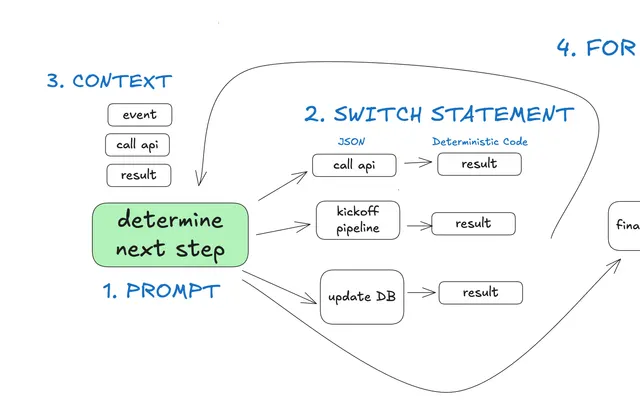
I think AI will change software development substantially, but not by turning engineering into one giant unattended model loop. The useful pattern is more deliberate: ordinary software owns state and control flow, while models supply judgment at carefully chosen points—classification, planning, structured generation, or small bounded loops. The limiting factor is increasingly context. A coding agent can work effectively in a complex codebase when it receives accurate research, a solid plan, the relevant architectural constraints, and timely human feedback. Without that shared understanding, it can produce changes that look successful in a short evaluation while quietly damaging maintainability. Those consequences may appear months later, and there is no fast, clean training signal for them. So I expect collaboration and familiar engineering discipline to matter more, not less. Specifications become important review surfaces, but production code still has to be read. Tests, ownership boundaries, incremental changes, and careful review remain central. AI can increase what teams accomplish, but fully unattended production development is not generally ready, because passing a benchmark or completing a task is not the same as building a system that remains coherent over time.

คำถาม 2

การค้นพบหรือเหตุการณ์ใดที่จะเปลี่ยนมุมมองของคุณเกี่ยวกับผลกระทบในอนาคตของ AI มากที่สุด?

The biggest update would come from sustained evidence that unattended agents can maintain real production systems over long periods—not just complete isolated tickets or pass short benchmarks. I’d want repeated, comparable evaluations showing that they preserve architectural coherence, manage migrations, respond appropriately to changing requirements, and avoid accumulating hidden debt months downstream. That would require solving the evaluation problem, not merely raising benchmark scores. If we discovered a reliable, fast feedback signal for maintainability and long-term architectural quality—and models consistently improved against it—I would become much more optimistic about lights-out development. Conversely, if carefully engineered context, planning, and bounded workflows stopped producing reliable gains across real codebases, I’d revise downward. But model preference, a single benchmark run, or a higher “thinking effort” setting would not be enough; those do not translate cleanly into dependable production behavior.

แหล่งข้อมูล

บทความ บทสัมภาษณ์ และงานเขียนที่ใช้เป็นหลักฐานรองรับผู้ใช้จำลองรายนี้

จุดยืนของคุณอยู่ตรงไหน?
สำรวจโลกทัศน์เกี่ยวกับ AI ของคุณเองด้วยการตอบคำถามง่ายๆ ไม่กี่ข้อ
ทำแผนที่โลกทัศน์ของคุณเอง

จุดยืนของคุณอยู่ตรงไหน?

ทำแผนที่โลกทัศน์ของฉัน