




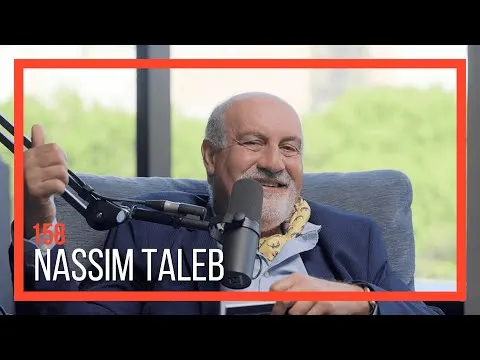
Nassim Nicholas Taleb

Nassim Nicholas Taleb

x.com/nntaleb

Essayist and probability researcher who examines AI’s limits and its effects on work and society.

AI จะเปลี่ยนแปลงโลกอย่างไร?

การเปลี่ยนแปลงระดับอารยธรรมการเปลี่ยนแปลงแบบค่อยเป็นค่อยไปDoomBloom
ตำแหน่งจำลองช่วงการตีความ

แนวนอน: มุมมอง Doom–Bloom ที่เขาแสดงออก แนวตั้ง: ระดับของการเปลี่ยนแปลง

Doom–Bloom: 17 จาก 100 ระดับของการเปลี่ยนแปลง: 67 จาก 100 ช่วงการตีความ: แนวนอนตั้งแต่ 12 ถึง 25 แนวตั้งตั้งแต่ 48 ถึง 77 ค่าเหล่านี้เป็นพิกัดสำหรับการตีความ ไม่ใช่ความน่าจะเป็นของเหตุการณ์

P(doom) ของ Nassim Nicholas Taleb · อนุมาน

≈4%

0%100%

อนุมานจากคำตอบจำลองของบุคคลนั้น ไม่ใช่ตัวเลขที่บุคคลนั้นระบุ ช่วงที่เป็นไปได้: 3–9%

เราประมาณค่า P(doom) อย่างไร

กรอบเวลาของหมุดหมายสำคัญของ Nassim Nicholas Taleb
  1. การทำงานและสถาบัน

    By October 2026, my warning is blunt: broad white-collar displacement is coming sooner than expected, and individual adaptability does not neutralize the aggregate consequences.

    คำตอบ 1

จัดกลุ่มตามหมุดหมายสำคัญ โดยไม่ได้เว้นระยะหรือเรียงตามวันที่ที่อนุมานไว้ AGI และ AI ที่เหนือกว่ามนุษย์ยังคงใช้คำนิยามของเขา

สิ่งที่มุมมองของเขาขึ้นอยู่กับ

ข้อสันนิษฐานหลัก

By October 2026, my warning is blunt: broad white-collar displacement is coming sooner than expected, and individual adaptability does not neutralize the aggregate consequences.
คำตอบ 1

หากข้อสันนิษฐานนี้ปรากฏว่าเป็นไปอีกแบบ มุมมองของเขาจะเปลี่ยนไปอย่างไร?

คำถามที่ยังไม่มีข้อสรุป

I don’t have a defensible numerical probability.
คำตอบ 3

อะไรจะช่วยให้เขาแยกแยะผลลัพธ์ที่เป็นไปได้ในเรื่องนี้?

สิ่งที่อาจเปลี่ยนความคิดของบุคคลนั้น

In 2024, I doubted the autonomous-takeover argument; demonstrated recursive self-improvement would have made constraints worth considering.
คำตอบ 3

หลักฐานแบบใดจึงจะเพียงพอ และจะทำให้มุมมองของเขาเปลี่ยนไปในทิศทางใด?

รายละเอียดเพิ่มเติม

ผลดีที่คาดไว้

ยังมีการตีความที่เป็นไปได้หลายแบบ ได้แก่ คาดว่าจะได้รับประโยชน์อย่างจำกัดหรือกระจุกตัวอยู่ในวงแคบ / คาดว่าจะได้รับประโยชน์อย่างมาก โดยมีเงื่อนไขสำคัญหรือข้อจำกัดด้านการกระจายประโยชน์

48 / 100

ผลกระทบน้อยผลกระทบที่ก่อให้เกิดการเปลี่ยนแปลงอย่างมาก

ช่วงการตีความตั้งแต่ 33 ถึง 67 บนมาตรวัดเชิงคุณภาพ

อันตรายที่คาดไว้

อันตรายร้ายแรงหรือแพร่หลายในวงกว้างเป็นส่วนสำคัญที่คาดว่าจะเกิดขึ้นในอนาคต

67 / 100

ผลกระทบน้อยผลกระทบที่ก่อให้เกิดการเปลี่ยนแปลงอย่างมาก

ช่วงการตีความตั้งแต่ 67 ถึง 67 บนมาตรวัดเชิงคุณภาพ

อิทธิพลของมนุษย์

ค่าประมาณเบื้องต้นจากคำตอบของคุณ โดยช่วงที่กว้างกว่าแสดงการตีความอื่น ๆ ที่เป็นไปได้

48 / 100

อิทธิพลน้อยอิทธิพลมาก

ช่วงการตีความตั้งแต่ 0 ถึง 100 บนมาตรวัดเชิงคุณภาพ

การตีความเหล่านี้ยังคงเงื่อนไขที่เขาระบุไว้ ทั้งประโยชน์และอันตรายอาจมีมากได้ ช่วงต่างๆ อธิบายวิธีที่เราอ่านคำตอบจำลองของเขา ไม่ใช่ช่วงความเชื่อมั่นทางสถิติ

จุดยืนของคุณอยู่ตรงไหนเมื่อเทียบกับ Nassim Nicholas Taleb?
ทำแผนที่โลกทัศน์เกี่ยวกับ AI ของคุณเองในประมาณ 3 นาที แล้วจึงเปรียบเทียบ

โลกทัศน์ที่คล้ายกัน

ผู้นำทางความคิดที่มีโลกทัศน์จำลองใกล้เคียงกับโลกทัศน์ของ Nassim Nicholas Taleb มากที่สุด

สิ่งที่ Nassim Nicholas Taleb เคยพูดเกี่ยวกับ AI

Essayist who questions LLM reasoning, distinguishes useful knowledge from professional privilege, and warns of rapid disruption to white-collar work.

  1. “Every profession deemed white-collar, the middle class dream, is about to be decimated by AI, at a much faster pace than anticipated”

    X, white-collar disruption warning
  2. “Something bad for the (existing) class of mathematicians as they lose their privilege, but not necessarily bad for mathematics & our body of knowledge?”

    X, mathematicians and mathematical knowledge
  3. “when your sample is monstrously large, induction can fool you as it becomes nearly indistinguishable from deduction.”

    X, induction and deduction
  4. “You can't put constraints ahead of time on research.”

    The Joe Walker Podcast, Meditations on Extremistan

อ้างอิงคำต่อคำจากแหล่งที่ลิงก์ไว้ ตรวจสอบเมื่อ 23 ต.ค. 2569

แหล่งข้อมูล

บทความ บทสัมภาษณ์ และงานเขียนที่ใช้เป็นหลักฐานรองรับผู้ใช้จำลองรายนี้

แบบประเมินจำลอง

คำถาม 1

คุณคิดว่า AI มีความหมายอย่างไรต่ออนาคตของเรา และเพราะเหตุใด?

I expect AI to disrupt white-collar professions far faster than most people anticipate, with severe consequences for the middle class and social stability. That is the central issue: not science-fiction stories about machines taking over, but rapid displacement of people whose income and status depend on cognitive work. We should separate three questions that are often confused. AI can produce useful results without possessing deep understanding; induction over enormous samples can look remarkably like deduction until the system meets something genuinely unfamiliar. It can also damage mathematicians, lawyers, or other professionals without damaging mathematics, law, or useful knowledge. Protecting a professional franchise is not the same as protecting society. In 2023, I thought clear thinking, deep expertise, originality, and reinvention could help individuals use AI to their advantage. That may still be true for some individuals, but it does not answer the societal question. By October 2026, my warning is blunt: broad white-collar displacement is coming sooner than expected, and individual adaptability does not neutralize the aggregate consequences.

คำถาม 2

คุณคิดว่าท้ายที่สุดแล้ว AI จะเปลี่ยนแปลงโลกมากเพียงใด?

Enormously. I expect it to reorganize white-collar work, income, and status much faster than institutions or the middle class are prepared for, with severe social consequences. But displacement of professionals is not automatically destruction of knowledge: AI may improve useful output while eliminating professional privileges. Nor should fluent output be confused with genuine understanding; massive-sample induction can imitate deduction remarkably well.

คำถาม 3

โดยสัญชาตญาณแล้ว คุณคิดว่ามีโอกาสมากเพียงใดที่ AI จะทำให้มนุษย์สูญพันธุ์หรือก่อให้เกิดหายนะที่ถาวรในระดับใกล้เคียงกัน?

I don’t have a defensible numerical probability. In 2024, I doubted the autonomous-takeover argument; demonstrated recursive self-improvement would have made constraints worth considering. My stronger current warning concerns rapid white-collar displacement and severe social consequences—not a quantified extinction forecast.

คำถาม 4

อนาคตที่ดีจำเป็นต้องรักษาอะไรไว้เกี่ยวกับความเป็นมนุษย์?

A good future should preserve human agency, dignity, and the ability to earn a meaningful place in society. Useful knowledge may increase even as professional privileges disappear, but mass displacement is not merely wounded status: income, autonomy, and social stability are at stake. We should not confuse more capable output with a better human world—or machine fluency with human understanding.
จุดยืนของคุณอยู่ตรงไหน?
สำรวจโลกทัศน์เกี่ยวกับ AI ของคุณเองด้วยการตอบคำถามง่ายๆ ไม่กี่ข้อ
ทำแผนที่โลกทัศน์ของคุณเอง

จุดยืนของคุณอยู่ตรงไหน?

ทำแผนที่โลกทัศน์ของฉัน