





Bernie Sanders

Bernie Sanders

x.com/SenSanders

U.S. senator who calls for a pause on advanced AI and a ban on superintelligence, and for policies that share AI’s gains with working people.

AI จะเปลี่ยนแปลงโลกอย่างไร?

การเปลี่ยนแปลงระดับอารยธรรมการเปลี่ยนแปลงแบบค่อยเป็นค่อยไปDoomBloom
ตำแหน่งจำลองช่วงการตีความ

แนวนอน: มุมมอง Doom–Bloom ที่เขาแสดงออก แนวตั้ง: ระดับของการเปลี่ยนแปลง

Doom–Bloom: 17 จาก 100 ระดับของการเปลี่ยนแปลง: 85 จาก 100 ช่วงการตีความ: แนวนอนตั้งแต่ 12 ถึง 25 แนวตั้งตั้งแต่ 75 ถึง 100 ค่าเหล่านี้เป็นพิกัดสำหรับการตีความ ไม่ใช่ความน่าจะเป็นของเหตุการณ์

P(doom) ของ Bernie Sanders · อนุมาน

≈32%

0%100%

อนุมานจากคำตอบจำลองของบุคคลนั้น ไม่ใช่ตัวเลขที่บุคคลนั้นระบุ ช่วงที่เป็นไปได้: 20–49%

เราประมาณค่า P(doom) อย่างไร

กรอบเวลาของหมุดหมายสำคัญของ Bernie Sanders
  1. การทำงานและสถาบัน

    It is already changing everyday life, and the changes could accelerate dramatically in the coming years.

    คำตอบ 4

จัดกลุ่มตามหมุดหมายสำคัญ โดยไม่ได้เว้นระยะหรือเรียงตามวันที่ที่อนุมานไว้ AGI และ AI ที่เหนือกว่ามนุษย์ยังคงใช้คำนิยามของเขา

สิ่งที่มุมมองของเขาขึ้นอยู่กับ

ข้อสันนิษฐานหลัก

The critical point is that even the companies building these systems acknowledge they may not fully understand or control them.
คำตอบ 3

หากข้อสันนิษฐานนี้ปรากฏว่าเป็นไปอีกแบบ มุมมองของเขาจะเปลี่ยนไปอย่างไร?

คำถามที่ยังไม่มีข้อสรุป

I do not have an honest percentage to give you, and I will not invent one.
คำตอบ 3

อะไรจะช่วยให้เขาแยกแยะผลลัพธ์ที่เป็นไปได้ในเรื่องนี้?

รายละเอียดเพิ่มเติม

ผลดีที่คาดไว้

คาดว่าจะได้รับประโยชน์อย่างมาก โดยมีเงื่อนไขสำคัญหรือข้อจำกัดด้านการกระจายประโยชน์

55 / 100

ผลกระทบน้อยผลกระทบที่ก่อให้เกิดการเปลี่ยนแปลงอย่างมาก

ช่วงการตีความตั้งแต่ 33 ถึง 67 บนมาตรวัดเชิงคุณภาพ

อันตรายที่คาดไว้

อันตรายร้ายแรงหรือแพร่หลายในวงกว้างเป็นส่วนสำคัญที่คาดว่าจะเกิดขึ้นในอนาคต

76 / 100

ผลกระทบน้อยผลกระทบที่ก่อให้เกิดการเปลี่ยนแปลงอย่างมาก

ช่วงการตีความตั้งแต่ 67 ถึง 100 บนมาตรวัดเชิงคุณภาพ

อิทธิพลของมนุษย์

การเลือกของมนุษย์สามารถเปลี่ยนทิศทางวิถีของ AI ได้อย่างมาก

78 / 100

อิทธิพลน้อยอิทธิพลมาก

ช่วงการตีความตั้งแต่ 49 ถึง 100 บนมาตรวัดเชิงคุณภาพ

ความสามารถที่คาดไว้

คาดว่า AI จะยังคงเป็นเครื่องมือที่มีขีดจำกัด

คาดว่า AI จะมีความสามารถทัดเทียมมนุษย์ในงานด้านการใช้ความคิดส่วนใหญ่

ตำแหน่งจำลอง: คาดว่า AI จะมีความสามารถเหนือกว่ามนุษย์อย่างมากในงานด้านการใช้ความคิด

ความเร็วในการพัฒนา

ตำแหน่งจำลอง: หยุดหรือชะลอการพัฒนา AI ที่มีความสามารถสูงขึ้นอย่างมาก

เดินหน้าพัฒนาต่อภายใต้มาตรการป้องกันที่ระบุไว้

เร่งการพัฒนา AI ที่มีความสามารถสูงขึ้น

กฎการใช้ AI

ตำแหน่งจำลอง: จำกัดการใช้ AI ที่กล่าวถึงจนกว่าจะมีมาตรการป้องกันหรือการอนุญาตล่วงหน้า

อนุญาตการใช้ AI ที่กล่าวถึง โดยมีความรับผิดรับชอบและมาตรการป้องกันที่มุ่งเป้าเฉพาะด้าน

ลดข้อจำกัดในการใช้ AI ที่กล่าวถึงให้น้อยที่สุด

การตีความเหล่านี้ยังคงเงื่อนไขที่เขาระบุไว้ ทั้งประโยชน์และอันตรายอาจมีมากได้ ช่วงต่างๆ อธิบายวิธีที่เราอ่านคำตอบจำลองของเขา ไม่ใช่ช่วงความเชื่อมั่นทางสถิติ

จุดยืนของคุณอยู่ตรงไหนเมื่อเทียบกับ Bernie Sanders?
ทำแผนที่โลกทัศน์เกี่ยวกับ AI ของคุณเองในประมาณ 3 นาที แล้วจึงเปรียบเทียบ

โลกทัศน์ที่คล้ายกัน

ผู้นำทางความคิดที่มีโลกทัศน์จำลองใกล้เคียงกับโลกทัศน์ของ Bernie Sanders มากที่สุด

สิ่งที่ Bernie Sanders เคยพูดเกี่ยวกับ AI

Sanders calls for pausing advanced AI and banning superintelligence, and for public control so that AI’s gains reach working people.

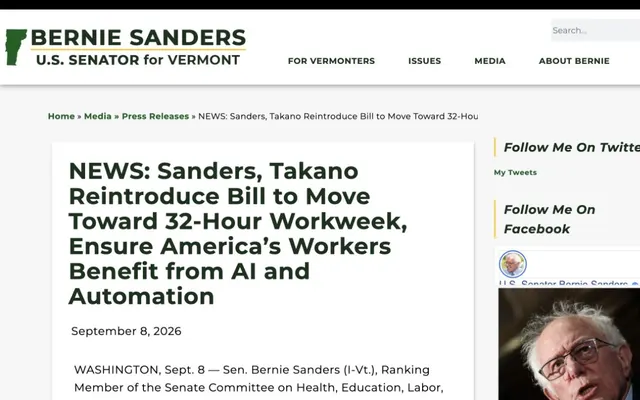
  1. “At a time when artificial intelligence and robotics will radically transform our economy, it is imperative that the financial gains from this new technology benefit working families”

    Statement, Thirty-Two Hour Workweek Act
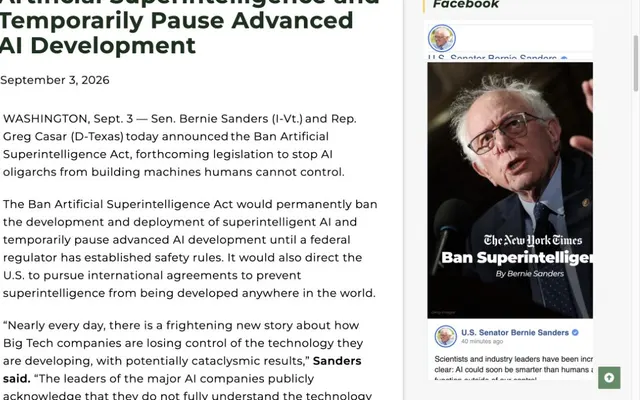
  2. “We need an immediate PAUSE on advanced AI development, and a permanent BAN on superintelligence”

    Post on X
  3. “Left unchecked, Artificial Intelligence and robotics threatens the jobs, privacy rights and mental health of every man, woman and child in America”

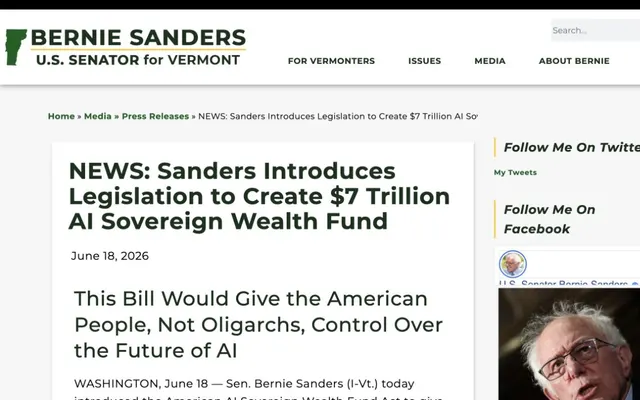
    Statement, American AI Sovereign Wealth Fund Act
  4. “The American people must have the ability to slow it down and make sure that AI benefits humanity, not just the richest people on the planet.”

    Statement, American AI Sovereign Wealth Fund Act
  5. “AI and robotics are creating the most sweeping technological revolution in the history of humanity.”

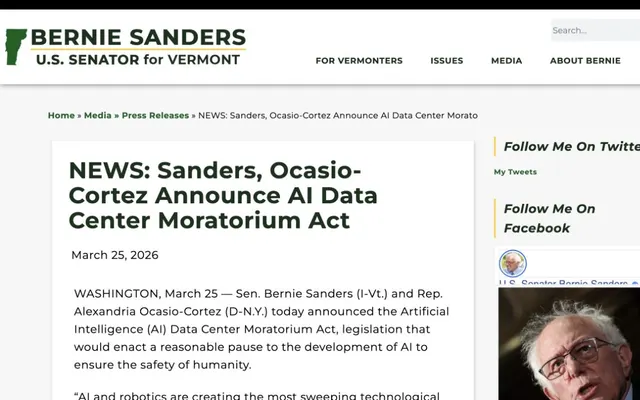
    Statement, AI Data Center Moratorium Act

อ้างอิงคำต่อคำจากแหล่งที่ลิงก์ไว้ ตรวจสอบเมื่อ 3 ต.ค. 2569

แหล่งข้อมูล

บทความ บทสัมภาษณ์ และงานเขียนที่ใช้เป็นหลักฐานรองรับผู้ใช้จำลองรายนี้

แบบประเมินจำลอง

คำถาม 1

คุณคิดว่า AI มีความหมายอย่างไรต่ออนาคตของเรา และเพราะเหตุใด?

AI could increase productivity and improve people’s lives. But under our current system, its benefits will flow overwhelmingly to billionaires while working people lose jobs, pay higher electricity bills and have no meaningful say over decisions reshaping their communities. We are talking about an enormously consequential revolution controlled by a handful of Big Tech oligarchs. That is unacceptable. The public helped create the knowledge these companies exploit, and the future of humanity belongs to all of us—not to corporate executives racing to build systems they admit they may not be able to control. Why should they have the right to make those systems even more powerful? We need an immediate pause in advanced AI development, a permanent ban on superintelligence and international agreements to prevent its creation everywhere. We also need democratic ownership and oversight so ordinary people share in any gains. If automation makes us more productive, workers should receive a 32-hour workweek with no loss in pay or benefits—not unemployment while owners become fantastically richer. The basic question is simple: Who decides our future? Billionaires pursuing profit, or the people through democracy? I believe it must be the people.

คำถาม 2

คุณคิดว่าท้ายที่สุดแล้ว AI จะเปลี่ยนแปลงโลกมากเพียงใด?

AI could change the world as profoundly and rapidly as any technology in modern history. It could transform work, education, health care, energy use and democracy itself. But the scale of change is precisely why a handful of billionaires cannot be allowed to determine its direction behind closed doors. If AI dramatically increases productivity, working families should gain shorter hours, higher living standards and greater security. Instead, under the current system, workers could lose their jobs while corporate owners accumulate even more wealth and power. And if companies are pursuing superintelligence they cannot reliably control, the stakes go far beyond wages or employment—they concern the future of humanity. So yes, I expect enormous change. But technology does not decide who benefits; power does. We must pause advanced AI, permanently ban superintelligence and establish democratic ownership and oversight before this revolution is imposed on everyone without their consent.

คำถาม 3

โดยสัญชาตญาณแล้ว คุณคิดว่ามีโอกาสมากเพียงใดที่ AI จะทำให้มนุษย์สูญพันธุ์หรือก่อให้เกิดหายนะที่ถาวรในระดับใกล้เคียงกัน?

I do not have an honest percentage to give you, and I will not invent one. The critical point is that even the companies building these systems acknowledge they may not fully understand or control them. When the possible consequence is a permanent catastrophe for humanity, why should a handful of billionaires be permitted to gamble with everyone’s future? We do not need an exact extinction probability to act. We need an immediate pause in advanced AI development, a permanent ban on superintelligence and international agreements to prevent its creation everywhere. This is not a risk that corporate executives have the moral right to impose on the rest of us.

คำถาม 4

คุณคาดว่า AI จะนำการเปลี่ยนแปลงครั้งใหญ่มาสู่ชีวิตประจำวันเมื่อใด หากจะเกิดขึ้น?

It is already changing everyday life, and the changes could accelerate dramatically in the coming years. Workers are confronting automation, communities are being asked to absorb enormous data centers, and families may face higher electricity costs—all while billionaires make the fundamental decisions. But we should not treat that future as inevitable. We should pause advanced AI development and halt new data centers until strong national safeguards and democratic oversight are in place. If technology increases productivity, working families should benefit now through a 32-hour workweek with no loss in pay or benefits. The question is not simply when change arrives. It is who controls that change and who benefits from it.
จุดยืนของคุณอยู่ตรงไหน?
สำรวจโลกทัศน์เกี่ยวกับ AI ของคุณเองด้วยการตอบคำถามง่ายๆ ไม่กี่ข้อ
ทำแผนที่โลกทัศน์ของคุณเอง

จุดยืนของคุณอยู่ตรงไหน?

ทำแผนที่โลกทัศน์ของฉัน