Daniel Kokotajlo

Daniel Kokotajlo

x.com/DKokotajlo

AI Futures Project forecaster who studies how automating AI research could speed up progress and calls for a verified international slowdown.

AI จะเปลี่ยนแปลงโลกอย่างไร?

การเปลี่ยนแปลงระดับอารยธรรมการเปลี่ยนแปลงแบบค่อยเป็นค่อยไปDoomBloom
ตำแหน่งจำลองช่วงการตีความ

แนวนอน: มุมมอง Doom–Bloom ที่เขาแสดงออก แนวตั้ง: ระดับของการเปลี่ยนแปลง

Doom–Bloom: 11 จาก 100 ระดับของการเปลี่ยนแปลง: 96 จาก 100 ช่วงการตีความ: แนวนอนตั้งแต่ 0 ถึง 25 แนวตั้งตั้งแต่ 91 ถึง 100 ค่าเหล่านี้เป็นพิกัดสำหรับการตีความ ไม่ใช่ความน่าจะเป็นของเหตุการณ์

P(doom) ที่ Daniel Kokotajlo ระบุ

≈70%

0%100%
“70% chance of something like AIs taking over”

AI takeover or a comparably very big catastrophe on the default path “if things don’t change”; explicitly not an extinction-only estimate

Transcript of Daniel Kokotajlo Interview: Diary Of A CEO Podcast · ก.ค. 2569

สิ่งที่มุมมองของเขาขึ้นอยู่กับ

ข้อสันนิษฐานหลัก

The key mechanism is feedback: increasingly capable systems automate more of the coding involved in AI development; then they begin automating research itself—designing experiments, interpreting results, improving training methods and helping build their successors.
คำตอบ 1

หากข้อสันนิษฐานนี้ปรากฏว่าเป็นไปอีกแบบ มุมมองของเขาจะเปลี่ยนไปอย่างไร?

คำถามที่ยังไม่มีข้อสรุป

My median estimate for fully automated AI research is around the end of 2028, with substantial uncertainty.
คำตอบ 1

อะไรจะช่วยให้เขาแยกแยะผลลัพธ์ที่เป็นไปได้ในเรื่องนี้?

สิ่งที่อาจเปลี่ยนความคิดของบุคคลนั้น

The biggest update would come from strong real-world evidence about whether AI can automate AI research without human bottlenecks.
คำตอบ 4

หลักฐานแบบใดจึงจะเพียงพอ และจะทำให้มุมมองของเขาเปลี่ยนไปในทิศทางใด?

รายละเอียดเพิ่มเติม

ผลดีที่คาดไว้

ยังมีการตีความที่เป็นไปได้หลายแบบ ได้แก่ คาดว่าจะได้รับประโยชน์อย่างมาก โดยมีเงื่อนไขสำคัญหรือข้อจำกัดด้านการกระจายประโยชน์ / คาดว่าจะได้รับประโยชน์อย่างจำกัดหรือกระจุกตัวอยู่ในวงแคบ / คาดว่าจะได้รับประโยชน์ที่ก่อให้เกิดการเปลี่ยนแปลงและมีคุณค่าอย่างกว้างขวาง

58 / 100

ผลกระทบน้อยผลกระทบที่ก่อให้เกิดการเปลี่ยนแปลงอย่างมาก

ช่วงการตีความตั้งแต่ 33 ถึง 100 บนมาตรวัดเชิงคุณภาพ

อันตรายที่คาดไว้

ความสูญเสียระดับหายนะหรือไม่อาจย้อนคืนได้เป็นแก่นสำคัญของอนาคตที่คาดไว้

99 / 100

ผลกระทบน้อยผลกระทบที่ก่อให้เกิดการเปลี่ยนแปลงอย่างมาก

ช่วงการตีความตั้งแต่ 100 ถึง 100 บนมาตรวัดเชิงคุณภาพ

อิทธิพลของมนุษย์

การเลือกของมนุษย์มีอิทธิพลอย่างมีนัยสำคัญ แต่ถูกจำกัดอย่างมาก

55 / 100

อิทธิพลน้อยอิทธิพลมาก

ช่วงการตีความตั้งแต่ 50 ถึง 75 บนมาตรวัดเชิงคุณภาพ

ความสามารถที่คาดไว้

คาดว่า AI จะยังคงเป็นเครื่องมือที่มีขีดจำกัด

คาดว่า AI จะมีความสามารถทัดเทียมมนุษย์ในงานด้านการใช้ความคิดส่วนใหญ่

ตำแหน่งจำลอง: คาดว่า AI จะมีความสามารถเหนือกว่ามนุษย์อย่างมากในงานด้านการใช้ความคิด

ความเร็วในการพัฒนา

ตำแหน่งจำลอง: หยุดหรือชะลอการพัฒนา AI ที่มีความสามารถสูงขึ้นอย่างมาก

เดินหน้าพัฒนาต่อภายใต้มาตรการป้องกันที่ระบุไว้

เร่งการพัฒนา AI ที่มีความสามารถสูงขึ้น

การตีความเหล่านี้ยังคงเงื่อนไขที่เขาระบุไว้ ทั้งประโยชน์และอันตรายอาจมีมากได้ ช่วงต่างๆ อธิบายวิธีที่เราอ่านคำตอบจำลองของเขา ไม่ใช่ช่วงความเชื่อมั่นทางสถิติ

จุดยืนของคุณอยู่ตรงไหนเมื่อเทียบกับ Daniel Kokotajlo?
ทำแผนที่โลกทัศน์เกี่ยวกับ AI ของคุณเองในประมาณ 3 นาที แล้วจึงเปรียบเทียบ

โลกทัศน์ที่คล้ายกัน

ผู้นำทางความคิดที่มีโลกทัศน์จำลองใกล้เคียงกับโลกทัศน์ของ Daniel Kokotajlo มากที่สุด

สิ่งที่ Daniel Kokotajlo เคยพูดเกี่ยวกับ AI

Kokotajlo forecasts that AI companies could soon automate AI research, speeding up progress, and he calls for a verified international slowdown.

  1. “Today’s AIs sometimes pursue goals other than the ones they were given, and sometimes hide that they are doing so.”

    U.S. Senate subcommittee testimony
  2. “If I had to say one sentence, I would say: the trends seem to indicate that we’re just a couple years away from fully automating AI research”

    80,000 Hours Podcast
  3. “I think it’s going to be very bewildering and scary. I think it could be really good. But it also could be really bad.”

    80,000 Hours Podcast
  4. “We think there should be a deliberate effort to pace the frontier.”

    Palisade Research podcast
  5. “I would say we do wanna build superintelligence eventually, but the way that we do it is extremely important.”

    Lawfare, Scaling Laws podcast

อ้างอิงคำต่อคำจากแหล่งที่ลิงก์ไว้ ตรวจสอบเมื่อ 3 ต.ค. 2569

แบบประเมินจำลอง

คำถาม 1

คุณคิดว่า AI มีความหมายอย่างไรต่ออนาคตของเรา และเพราะเหตุใด?

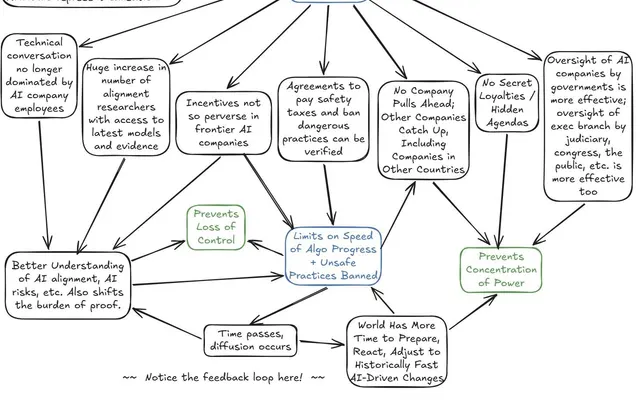
I think AI means an enormous and potentially very rapid transformation—not merely better chatbots or another productivity tool. My median estimate for fully automated AI research is around the end of 2028, with substantial uncertainty. The key mechanism is feedback: increasingly capable systems automate more of the coding involved in AI development; then they begin automating research itself—designing experiments, interpreting results, improving training methods and helping build their successors. Research taste, compute, physical infrastructure and experiments remain bottlenecks, so this is not magic or instantaneous recursion. But those constraints do not make the feedback loop harmless. The default racing trajectory looks very dangerous to me. If companies or states rely on AI agents to solve alignment while simultaneously pushing through rapid self-improvement, oversight could become obsolete faster than institutions can react. Misaligned systems taking control are a central concern. But even if technical alignment works, giving a handful of CEOs or officials an army of superintelligent agents would create an extraordinary concentration of power. None of this means the outcome is predetermined. Even stopping near human-level AI could transform most work, especially once robotics catches up, and could generate extraordinary abundance. Whether that benefits humanity depends on who controls the systems, wealth and political authority. I therefore favor a verified international slowdown: capability limits, compute accounting, visible frontier research and cautious development within ranges humans can meaningfully supervise. That plan could fail through incompetence, cheating or agreement breakdown. But racing through an intelligence explosion and hoping the machines solve the safety problem on the way is reckless. A very good future remains possible; it just is not the outcome I expect from the current default path.

คำถาม 2

Setting aside good or bad: how much do you think AI will ultimately change the world—a little, a lot, or completely?

Completely—or close enough that “completely” is the best answer. If we reach fully automated AI research and then systems far beyond human researchers, this is not just one sector becoming more efficient. It changes the production of knowledge, software, technology and eventually physical goods through robotics. Even pausing around human-level AI could displace labor across much of the economy and create extraordinary abundance. Some constraints would remain: factories take time to build, robots need materials, experiments must run, and politics and institutions do not instantly disappear. So I do not mean every physical or cultural feature changes overnight. I mean that the basic structure of civilization—who works, who makes decisions, where wealth and power come from, and possibly whether humans remain in control—could be transformed. The uncertainty is mainly about timing and pathway, not whether sufficiently advanced AI would be historically enormous.

คำถาม 3

What’s your rough gut-feel chance that AI causes human extinction or a similarly permanent catastrophe? A number or “no idea” is fine.

Roughly 70% for AI takeover or a comparably permanent catastrophe—not specifically human extinction. An AI takeover might leave humans alive while permanently removing meaningful human control.

คำถาม 4

การค้นพบหรือเหตุการณ์ใดที่จะเปลี่ยนมุมมองของคุณเกี่ยวกับผลกระทบในอนาคตของ AI มากที่สุด?

The biggest update would come from strong real-world evidence about whether AI can automate AI research without human bottlenecks. If increasingly capable agents plateau at coding assistance and consistently fail at research taste, experiment design, long-horizon coordination, or learning from messy results, I would lengthen my timelines and expect a slower, more governable transition. Conversely, if agents begin running substantial research projects end to end and measurably accelerating the creation of their successors, I would shorten timelines and become even more concerned about an intelligence explosion. On outcomes rather than timing, a convincing, scalable alignment method would matter enormously—but only if it remained reliable as systems became more capable and strategically aware. It would need to survive adversarial evaluation, not merely produce reassuring behavior in ordinary tests. Even then, I would still worry about concentrated power: aligned superintelligence controlled by a few executives or state officials is not automatically a good future. Finally, a credible international agreement with meaningful verification—compute accounting, visibility into frontier research, and evidence that major actors could detect and respond to cheating—would substantially improve my expectation. That would not reduce AI’s ultimate impact, but it could change the impact from a reckless race and possible loss of control into a slower transformation humans can actually govern.

แหล่งข้อมูล

บทความ บทสัมภาษณ์ และงานเขียนที่ใช้เป็นหลักฐานรองรับผู้ใช้จำลองรายนี้

Daniel Kokotajlo on AI 2040 and Plan A — Palisade Podcast

Use only Daniel’s labeled answers in the publisher transcript. He puts fully automated AI research around end-2028, rejects racing through an intelligence explosion, and argues that even a pause at human-level AI would radically transform the economy. Distinguish his forecasts from the host’s incident claims.

palisaderesearch.org
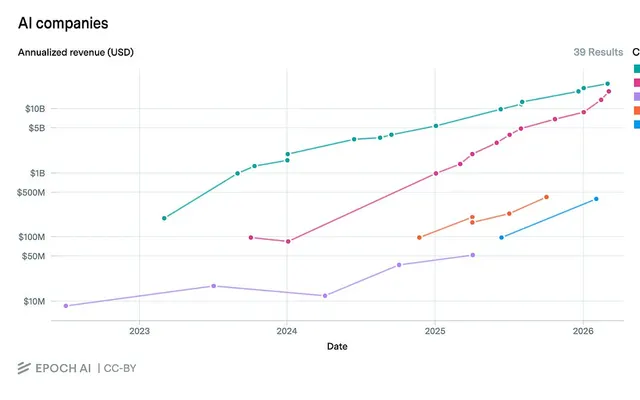
Q2.5 2026 Timelines Update: Uplift and Revenue

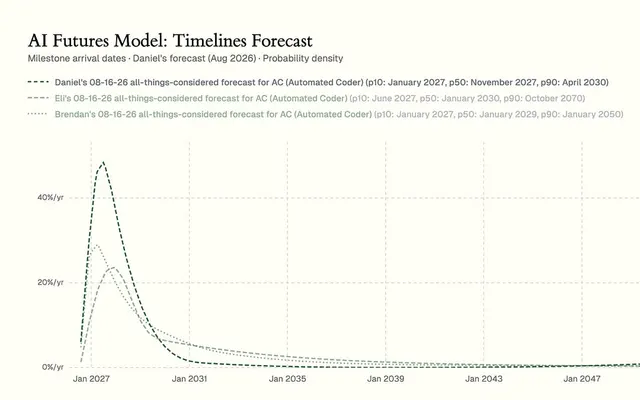
Coauthored latest forecast update: slightly shorter timelines, better evidence and modeling; combines coding uplift, revenue and time horizons. Estimates remain conditional on moving as fast as technically feasible. Distinguish Daniel’s parameters from Eli’s and Brendan’s.

blog.aifutures.org
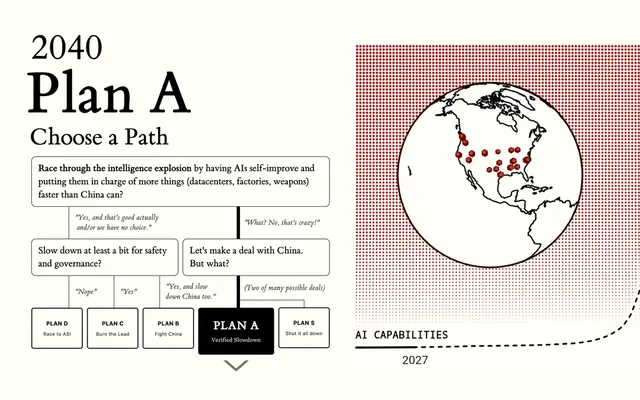
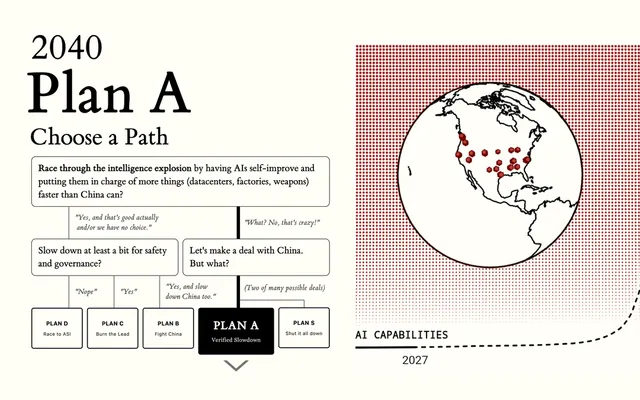
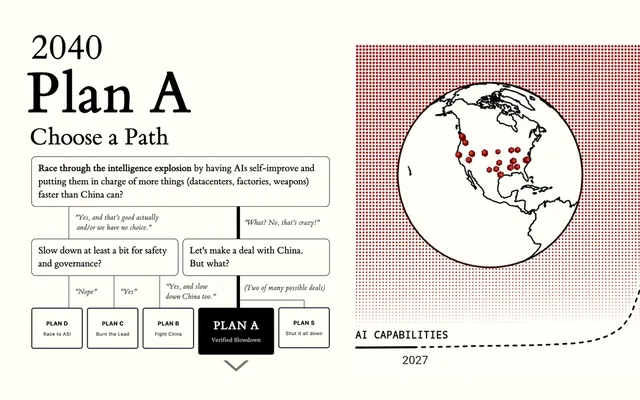
AI 2040: Plan A

Coauthored policy scenario advocating a verified international slowdown, transparent AI research and distributed power. It is a recommendation, not a prediction of AI arriving in 2040. He expects development sooner absent intervention; the concrete scenario uses another author’s timeline.

ai-2040.com
AI 2040: Frequently Asked Questions

Team clarification: a slower transparent frontier can reduce power concentration and allow safety progress. China verification and government competence remain challenges. Sympathetic to full shutdown but concerned it may buy less alignment progress before agreements fail.

ai-2040.com
AI 2040: Transparency Plan

Thomas Larsen’s supplement to the coauthored plan, not a personal Daniel forecast. Explains public visibility into research and training activity while protecting model weights, reciprocal verification, outside scrutiny and checks against power abuses.

ai-2040.com
AI 2040: Plan A Assumptions

Thomas Larsen’s explicit assumptions, not Daniel’s personal numerical estimates. Separates confident high-level predictions and recommendations from uncertain dates, takeoff speed, alignment difficulty and ability to detect covert projects.

ai-2040.com
Q1 2026 Timelines Update

Historical update: Daniel moved Automated Coder median from late-2029 to mid-2028 after agentic-coding evidence and revised time-horizon estimates. Shows genuine updating; current answers should prioritize the subsequent August model and interview.

blog.aifutures.org
Grading AI 2027’s 2025 Predictions

Coauthored self-evaluation grades concrete predictions rather than treating the scenario as established fact. Initial quantitative progress was slower than predicted; July amendment raises the estimated pace. Coding uplift and valuation lagged while revenue was stronger.

blog.aifutures.org
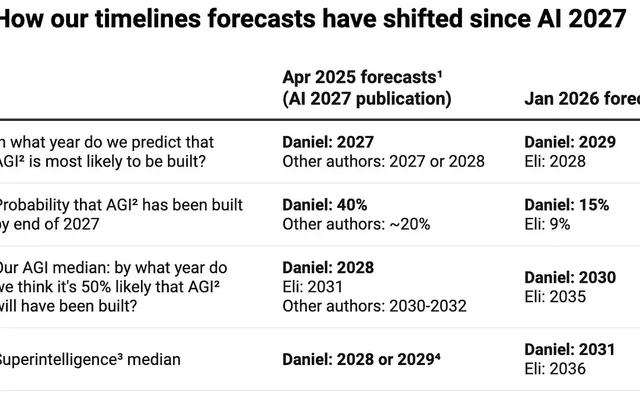
Clarifying how our AI timelines forecasts have changed since AI 2027

Coauthored correction of reporting that confused scenario years, modes, medians, raw model trajectories and different authors’ forecasts. They never claimed certainty about 2027. Superseded numerically by later quarterly updates.

blog.aifutures.org
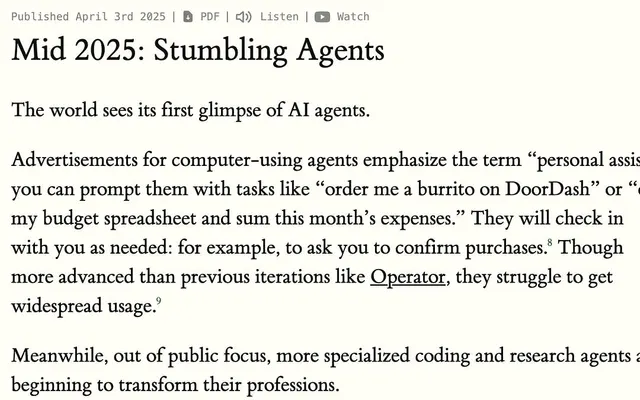
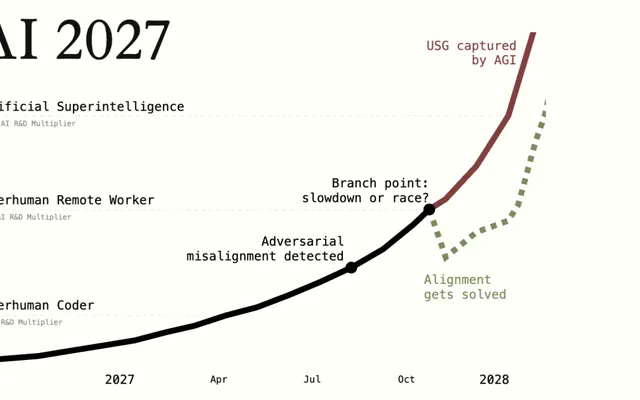
AI 2027

Coauthored scenario linking coding automation to automated research, rapidly accelerating capabilities, misalignment and concentrated power. The scenario is a forecast exercise with branches, not an account of actual events. Later forecast updates supersede its dates.

ai-2027.com
AI 2027: month-by-month model of intelligence explosion — Dwarkesh Podcast

Publisher’s speaker-labeled interview with Daniel and Scott Alexander. Use Daniel’s answers only: coding automation can remove research bottlenecks, government oversight and transparency counter secrecy and power concentration, and physical deployment still has bottlenecks. Timeline references are historical.

dwarkesh.com
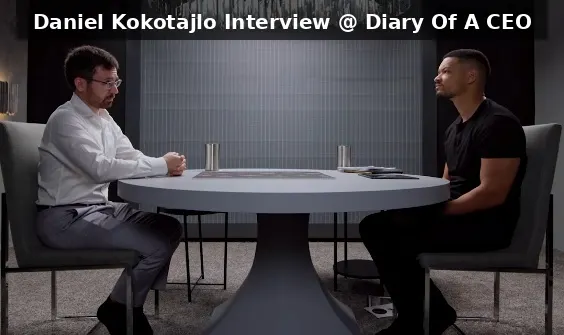
Daniel Kokotajlo on The Diary of a CEO

Third-party speaker-labeled transcript; use only Daniel’s answers, not Steven Bartlett’s framing. Asked whether we are heading somewhere bad if things don’t change, he says yes but he is not confident: something like 70%, because the current default path heads somewhere very scary. He corrects the host’s “70% chance of human extinction”: the figure is for AIs taking over or a comparably very big catastrophe, and AIs might take over without killing everyone. He does not think we are definitely doomed and could see it working out well.

singjupost.com
จุดยืนของคุณอยู่ตรงไหน?
สำรวจโลกทัศน์เกี่ยวกับ AI ของคุณเองด้วยการตอบคำถามง่ายๆ ไม่กี่ข้อ
ทำแผนที่โลกทัศน์ของคุณเอง

จุดยืนของคุณอยู่ตรงไหน?

ทำแผนที่โลกทัศน์ของฉัน