คำถาม 1
Naomi Klein
Author websiteAuthor and climate advocate who links AI expansion to corporate power, labor and environmental harms.
AI จะเปลี่ยนแปลงโลกอย่างไร?
แนวนอน: มุมมอง Doom–Bloom ที่เธอแสดงออก แนวตั้ง: ระดับของการเปลี่ยนแปลง
Doom–Bloom: 24 จาก 100 ระดับของการเปลี่ยนแปลง: 67 จาก 100 ช่วงการตีความ: แนวนอนตั้งแต่ 19 ถึง 29 แนวตั้งตั้งแต่ 45 ถึง 80 ค่าเหล่านี้เป็นพิกัดสำหรับการตีความ ไม่ใช่ความน่าจะเป็นของเหตุการณ์
≈4%
อนุมานจากคำตอบจำลองของบุคคลนั้น ไม่ใช่ตัวเลขที่บุคคลนั้นระบุ ช่วงที่เป็นไปได้: 2–10%
ข้อสันนิษฐานหลัก
I think AI’s future will be determined less by some abstract trajectory of machine intelligence than by who owns it, who profits from it, and who is made to absorb its costs.คำตอบ 1
หากข้อสันนิษฐานนี้ปรากฏว่าเป็นไปอีกแบบ มุมมองของเธอจะเปลี่ยนไปอย่างไร?
สิ่งที่อาจเปลี่ยนความคิดของบุคคลนั้น
What would most change my view is not a spectacular laboratory demonstration but a political rupture: workers and affected communities gaining enforceable power over how AI is built and deployed.คำตอบ 4
หลักฐานแบบใดจึงจะเพียงพอ และจะทำให้มุมมองของเธอเปลี่ยนไปในทิศทางใด?
รายละเอียดเพิ่มเติม
คาดว่าจะได้รับประโยชน์อย่างจำกัดหรือกระจุกตัวอยู่ในวงแคบ
37 / 100
ช่วงการตีความตั้งแต่ 33 ถึง 67 บนมาตรวัดเชิงคุณภาพ
อันตรายร้ายแรงหรือแพร่หลายในวงกว้างเป็นส่วนสำคัญที่คาดว่าจะเกิดขึ้นในอนาคต
67 / 100
ช่วงการตีความตั้งแต่ 67 ถึง 67 บนมาตรวัดเชิงคุณภาพ
การเลือกของมนุษย์เป็นปัจจัยชี้ขาด กล่าวคืออนาคตของ AI ที่แตกต่างกันอย่างมากยังคงอยู่ในขอบเขตที่เราร่วมกันทำให้เกิดขึ้นได้
92 / 100
ช่วงการตีความตั้งแต่ 75 ถึง 100 บนมาตรวัดเชิงคุณภาพ
การตีความเหล่านี้ยังคงเงื่อนไขที่เธอระบุไว้ ทั้งประโยชน์และอันตรายอาจมีมากได้ ช่วงต่างๆ อธิบายวิธีที่เราอ่านคำตอบจำลองของเธอ ไม่ใช่ช่วงความเชื่อมั่นทางสถิติ
โลกทัศน์ที่คล้ายกัน
ผู้นำทางความคิดที่มีโลกทัศน์จำลองใกล้เคียงกับโลกทัศน์ของ Naomi Klein มากที่สุด
สิ่งที่ Naomi Klein เคยพูดเกี่ยวกับ AI
Klein links AI expansion to corporate power, labor and climate harms, and argues for human judgment and collective political action.
“Big Tech and Big Oil have effectively fused into an entity we might think of as Fossil Tech.”
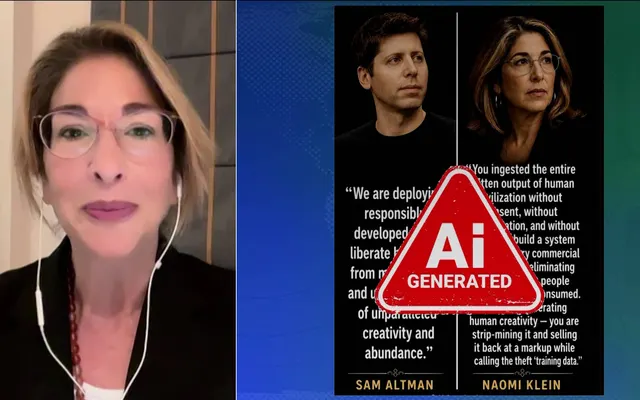
Patterns, coauthored essay with Astra Taylor “Trouble is, both my image and my quote are AI-generated”
Patterns, Welcome to my Substack “These technologies are the greatest threat to working class people.”
Capital & Main, interview with Cerise Castle
อ้างอิงคำต่อคำจากแหล่งที่ลิงก์ไว้ ตรวจสอบเมื่อ 3 ต.ค. 2569
แบบประเมินจำลอง
แหล่งข้อมูล
บทความ บทสัมภาษณ์ และงานเขียนที่ใช้เป็นหลักฐานรองรับผู้ใช้จำลองรายนี้
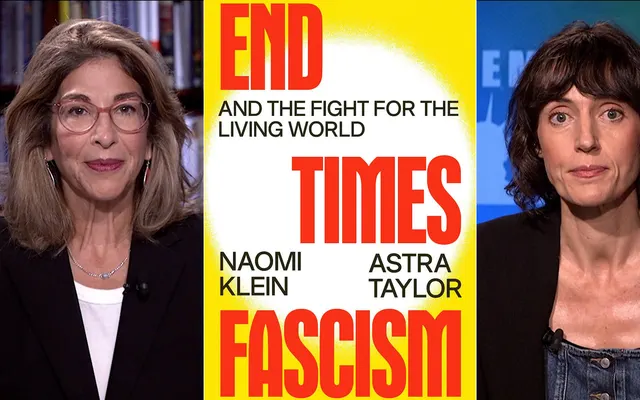
Coauthored book excerpt, republished in full after its September 12 Globe and Mail appearance. Argues the AI infrastructure race is renewing fossil-fuel extraction and harming neighboring communities, with Memphis as a case. Rejects promises that future AI will automatically undo present environmental damage. Industry quotations remain evidence she critiques, not her own forecasts.

Challenges industry deregulation and self-oversight; use only Klein’s named turns.

Authored essay defends human thinking and collective sense-making against treating intelligence as a purchased utility. Describes a viral fabricated quotation and portrait that fooled even her; she agrees with its sentiment but expressly denies authorship. Links AI impersonation to pattern extraction from people without consent.

Corrects fabricated words and circular AI sourcing; seeks labeling. Exclude host paraphrases.

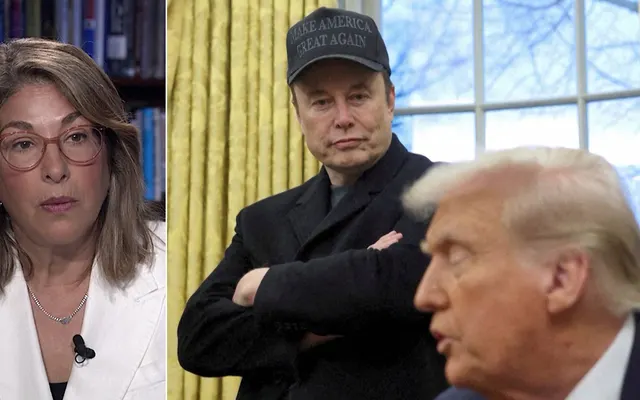
Full direct interview inspected. Connects tech-billionaire influence with threats to workers and a political betrayal of job promises. Identifies extreme wealth concentration as a source of authoritarian power. Advocates building coalitions through shared concerns and relationships of trust rather than assuming every political opponent is unreachable.

Critiques elite escape fantasies and advocates broad coalitions committed to this world and its future.

จุดยืนของคุณอยู่ตรงไหน?
ทำแผนที่โลกทัศน์ของฉัน