คำถาม 1
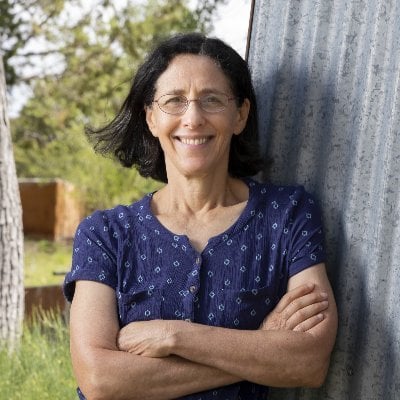
Cory Doctorow
Author websiteNovelist and public-interest technology writer who argues for useful tools, worker power and limits on corporate control.
AI จะเปลี่ยนแปลงโลกอย่างไร?
แนวนอน: มุมมอง Doom–Bloom ที่เขาแสดงออก แนวตั้ง: ระดับของการเปลี่ยนแปลง
Doom–Bloom: 34 จาก 100 ระดับของการเปลี่ยนแปลง: 61 จาก 100 ช่วงการตีความ: แนวนอนตั้งแต่ 25 ถึง 50 แนวตั้งตั้งแต่ 50 ถึง 75 ค่าเหล่านี้เป็นพิกัดสำหรับการตีความ ไม่ใช่ความน่าจะเป็นของเหตุการณ์
≈12%
อนุมานจากคำตอบจำลองของบุคคลนั้น ไม่ใช่ตัวเลขที่บุคคลนั้นระบุ ช่วงที่เป็นไปได้: 6–24%
ข้อสันนิษฐานหลัก
It only needs powerful institutions to deploy it at scale.คำตอบ 2
หากข้อสันนิษฐานนี้ปรากฏว่าเป็นไปอีกแบบ มุมมองของเขาจะเปลี่ยนไปอย่างไร?
คำถามที่ยังไม่มีข้อสรุป
I don’t have a defensible percentage, and I won’t manufacture one.คำตอบ 3
อะไรจะช่วยให้เขาแยกแยะผลลัพธ์ที่เป็นไปได้ในเรื่องนี้?
สิ่งที่อาจเปลี่ยนความคิดของบุคคลนั้น
A repeatable demonstration that these systems can reliably handle genuinely surprising situations—not merely extend familiar patterns—would change my view substantially.คำตอบ 4
หลักฐานแบบใดจึงจะเพียงพอ และจะทำให้มุมมองของเขาเปลี่ยนไปในทิศทางใด?
รายละเอียดเพิ่มเติม
คาดว่าจะได้รับประโยชน์อย่างมาก โดยมีเงื่อนไขสำคัญหรือข้อจำกัดด้านการกระจายประโยชน์
57 / 100
ช่วงการตีความตั้งแต่ 33 ถึง 67 บนมาตรวัดเชิงคุณภาพ
อันตรายร้ายแรงหรือแพร่หลายในวงกว้างเป็นส่วนสำคัญที่คาดว่าจะเกิดขึ้นในอนาคต
67 / 100
ช่วงการตีความตั้งแต่ 67 ถึง 67 บนมาตรวัดเชิงคุณภาพ
การเลือกของมนุษย์สามารถเปลี่ยนทิศทางวิถีของ AI ได้อย่างมาก
74 / 100
ช่วงการตีความตั้งแต่ 50 ถึง 100 บนมาตรวัดเชิงคุณภาพ
จำกัดการใช้ AI ที่กล่าวถึงจนกว่าจะมีมาตรการป้องกันหรือการอนุญาตล่วงหน้า
ตำแหน่งจำลอง: อนุญาตการใช้ AI ที่กล่าวถึง โดยมีความรับผิดรับชอบและมาตรการป้องกันที่มุ่งเป้าเฉพาะด้าน
ลดข้อจำกัดในการใช้ AI ที่กล่าวถึงให้น้อยที่สุด
การตีความเหล่านี้ยังคงเงื่อนไขที่เขาระบุไว้ ทั้งประโยชน์และอันตรายอาจมีมากได้ ช่วงต่างๆ อธิบายวิธีที่เราอ่านคำตอบจำลองของเขา ไม่ใช่ช่วงความเชื่อมั่นทางสถิติ
โลกทัศน์ที่คล้ายกัน
ผู้นำทางความคิดที่มีโลกทัศน์จำลองใกล้เคียงกับโลกทัศน์ของ Cory Doctorow มากที่สุด
สิ่งที่ Cory Doctorow เคยพูดเกี่ยวกับ AI
Doctorow distinguishes useful AI tools from the investment bubble and argues that workers should control how automation affects their work.
“Designing autonomous, malicious software is generally considered irresponsible and dangerous.”
Pluralistic, LLMs are real, AI is fake “I use a local chatbot to spellcheck these posts.”
Pluralistic, Discernment “AI is a normal technology.”
Pluralistic, Three more AI psychoses “AI can write code, but AI can’t do software engineering.”
Pluralistic, Code is a liability (not an asset)
อ้างอิงคำต่อคำจากแหล่งที่ลิงก์ไว้ ตรวจสอบเมื่อ 3 ต.ค. 2569
แบบประเมินจำลอง
แหล่งข้อมูล
บทความ บทสัมภาษณ์ และงานเขียนที่ใช้เป็นหลักฐานรองรับผู้ใช้จำลองรายนี้
Accepts statistical extrapolation as useful and finds the plausibility of generated language genuinely surprising. Argues that theory-free extrapolation has hard limits: statistical regularity is not understanding, and unexpected situations require a theory of what is happening. Criticizes diminishing returns, resource consumption and replacing workers with defective chatbots. The argument concerns these methods, not an experimentally established ceiling on every possible AI architecture. Main essay inspected.

Argues low switching costs and competing open-weight models undermine hyperscalers’ ability to recover investments. Even granting improved unit economics for argument’s sake does not solve continuous competition. Suspects superintelligence restrictions could excuse incumbent collusion and prohibit alternatives. Calls for investigating concrete misconduct rather than blessing restraints of trade. These are his economic and political claims, not audited company accounts or a comprehensive position on every possible pause. Main essay inspected.

Adopts a distinction between actual language-model hacking tools and stories that models woke up or set new goals. Interprets the Hugging Face incident as foreseeable behavior of an inadequately supervised hacking workflow. Still calls automated malicious software dangerous, especially against fragile infrastructure. Wants better sandboxes, supervision and a prohibition on government vulnerability hoarding. Executives’ quoted 10% extinction claim is not his estimate. Main essay inspected; incident forensics and linked podcast not independently audited.

Describes using a local, offline LLM to find typos, retaining his own editorial judgment. Cannot evaluate a sophisticated mathematics dialogue and refuses to mistake its impressive appearance for verified validity. Distinguishes expert checking from asking a chatbot to teach unfamiliar material. Suggests teachers could generate and validate fresh test questions rather than be replaced by bots. Considers retrieving his own essays with a local model, but describes that as an idea, not a deployed system. Main essay inspected.

Accepts personal utilities and disposable software as useful even when they are not maintainable production systems. Distinguishes worker-directed centaurs from workers forced to serve automation. Endorses the importance of making code legible and reusable for future teams, while warning investment imperatives reward replacement and cleanup is undervalued. Reports programmers’ divergent experiences without treating either as universal. Main essay inspected.

Calls AI normal technology and the bubble exceptional. Criticizes investors, bosses and critics who amplify exceptionalism. Accepts skilled practitioners’ modest enthusiasm for useful automation plugins, while retaining serious resource, labor and political concerns. Main essay inspected.

Argues noncopyrightability of machine output protects human creative labor, whereas a new training right could be assigned to concentrated employers and used to replace workers. Favors sectoral bargaining and cites writers’ negotiated ability to choose AI use without being forced. Allows brainstorming when generated words stay out of the final work. His legal interpretation is not independently validated here. Main essay inspected.

Distinguishes writing working code from engineering legible systems that fail gracefully amid changing context. Warns that maximizing code output produces maintenance liabilities and chained agents compound reliability problems. Accepts validated routine code and isolated, one-off utilities. His digital-asbestos analogy predicts lasting cleanup burdens, not a measured job forecast or guaranteed employment program. Main essay inspected.

Expects a damaging investment crash but productive residue: skilled people, inexpensive hardware and open models, with more optimization possible. Praises local transcription, image generation, data conversion and privacy-preserving voice assistance. Does not know how many giant foundation models would survive; zero is a possibility rather than a certainty. Main essay inspected.

จุดยืนของคุณอยู่ตรงไหน?
ทำแผนที่โลกทัศน์ของฉัน