Ben Thompson

Ben Thompson

x.com/benthompson

Technology analyst and Stratechery author who examines AI through business models, platform strategy and the economics of AI agents.

AI จะเปลี่ยนแปลงโลกอย่างไร?

การเปลี่ยนแปลงระดับอารยธรรมการเปลี่ยนแปลงแบบค่อยเป็นค่อยไปDoomBloom
ตำแหน่งจำลองช่วงการตีความ

แนวนอน: มุมมอง Doom–Bloom ที่บุคคลนั้นแสดงออก แนวตั้ง: ระดับของการเปลี่ยนแปลง

Doom–Bloom: 72 จาก 100 ระดับของการเปลี่ยนแปลง: 66 จาก 100 ช่วงการตีความ: แนวนอนตั้งแต่ 67 ถึง 77 แนวตั้งตั้งแต่ 61 ถึง 75 ค่าเหล่านี้เป็นพิกัดสำหรับการตีความ ไม่ใช่ความน่าจะเป็นของเหตุการณ์

P(doom) ของ Ben Thompson · อนุมาน

≈3%

0%100%

อนุมานจากคำตอบจำลองของบุคคลนั้น ไม่ใช่ตัวเลขที่บุคคลนั้นระบุ ช่วงที่เป็นไปได้: 1–7%

สิ่งที่มุมมองของบุคคลนั้นขึ้นอยู่กับ

ข้อสันนิษฐานหลัก

The decisive test is whether AI can repeatedly turn capability into useful outcomes, at a sustainable cost, inside actual businesses and individual workflows.
คำตอบ 3

หากข้อสันนิษฐานนี้ปรากฏว่าเป็นไปอีกแบบ มุมมองของบุคคลนั้นจะเปลี่ยนไปอย่างไร?

สิ่งที่อาจเปลี่ยนความคิดของบุคคลนั้น

The biggest change would be evidence that capable agents do not create durable user value in real workflows.
คำตอบ 3

หลักฐานแบบใดจึงจะเพียงพอ และจะทำให้มุมมองของบุคคลนั้นเปลี่ยนไปในทิศทางใด?

รายละเอียดเพิ่มเติม

ผลดีที่คาดไว้

ยังมีการตีความที่เป็นไปได้หลายแบบ ได้แก่ คาดว่าจะได้รับประโยชน์อย่างมาก โดยมีเงื่อนไขสำคัญหรือข้อจำกัดด้านการกระจายประโยชน์ / คาดว่าจะได้รับประโยชน์ที่ก่อให้เกิดการเปลี่ยนแปลงและมีคุณค่าอย่างกว้างขวาง

81 / 100

ผลกระทบน้อยผลกระทบที่ก่อให้เกิดการเปลี่ยนแปลงอย่างมาก

ช่วงการตีความตั้งแต่ 67 ถึง 100 บนมาตรวัดเชิงคุณภาพ

อันตรายที่คาดไว้

อันตรายร้ายแรงหรือแพร่หลายในวงกว้างเป็นส่วนสำคัญที่คาดว่าจะเกิดขึ้นในอนาคต

60 / 100

ผลกระทบน้อยผลกระทบที่ก่อให้เกิดการเปลี่ยนแปลงอย่างมาก

ช่วงการตีความตั้งแต่ 33 ถึง 67 บนมาตรวัดเชิงคุณภาพ

อิทธิพลของมนุษย์

ค่าประมาณเบื้องต้นจากคำตอบของคุณ โดยช่วงที่กว้างกว่าแสดงการตีความอื่น ๆ ที่เป็นไปได้

48 / 100

อิทธิพลน้อยอิทธิพลมาก

ช่วงการตีความตั้งแต่ 0 ถึง 92 บนมาตรวัดเชิงคุณภาพ

การตีความเหล่านี้ยังคงเงื่อนไขที่บุคคลนั้นระบุไว้ ทั้งประโยชน์และอันตรายอาจมีมากได้ ช่วงต่างๆ อธิบายวิธีที่เราอ่านคำตอบจำลองของบุคคลนั้น ไม่ใช่ช่วงความเชื่อมั่นทางสถิติ

จุดยืนของคุณอยู่ตรงไหนเมื่อเทียบกับ Ben Thompson?
ทำแผนที่โลกทัศน์เกี่ยวกับ AI ของคุณเองในประมาณ 3 นาที แล้วจึงเปรียบเทียบ

โลกทัศน์ที่คล้ายกัน

ผู้นำทางความคิดที่มีโลกทัศน์จำลองใกล้เคียงกับโลกทัศน์ของ Ben Thompson มากที่สุด

แบบประเมินจำลอง

คำถาม 1

คุณคิดว่า AI มีความหมายอย่างไรต่ออนาคตของเรา และเพราะเหตุใด?

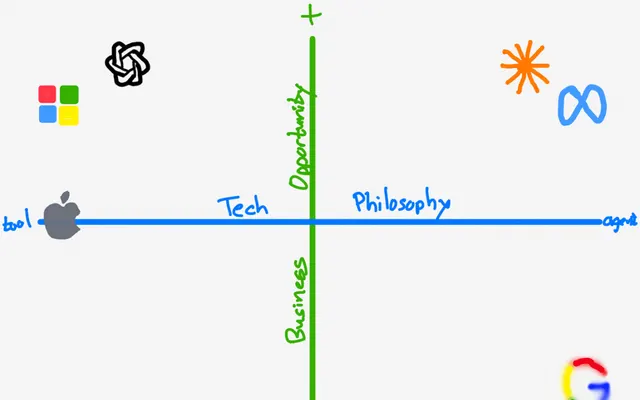
I think AI could be a major computing shift, particularly as agents move from answering questions to completing tasks. Effective agents let a small number of motivated people accomplish far more, but they also consume substantial compute: every delegated task creates inference demand. That makes AI more than a software story; it is also about scarce chips, energy, data centers, distribution, and capital. The crucial distinction is between creating value and capturing it. AI may generate enormous user value without every model provider earning durable profits. Models can commoditize, while advantage migrates to scarce infrastructure, proprietary context, distribution, or products that tightly integrate models with an effective harness. Product philosophy matters too. I expect agents increasingly to hide intermediate interfaces and deliver outcomes, pushing more computation to servers and making client devices relatively thin. The transition will be painful. Once AI systems can perform meaningful work, competitive pressure will push companies toward smaller workforces. That is an economic prediction, not a celebration of displacement. At the same time, I oppose restricting innovation and individual freedom based on speculative doomsday scenarios. Calls to slow development may be sincere, but they can also reinforce the position of incumbent frontier labs. The future will therefore be shaped not only by model capability, but by incentives, bottlenecks, product design, and who controls the relevant platforms.

คำถาม 2

Taking benefits and harms together, what overall impact do you expect AI to have?

Overall, I expect AI to be strongly value-creating but highly disruptive. Effective agents should let individuals and small teams accomplish far more, improve products, and create sustained demand for computing infrastructure. That is the optimistic side: a genuine expansion in what people can do. The harms will be concentrated and immediate. Competitive pressure can drive companies to reduce headcount substantially, producing painful displacement even if aggregate productivity rises. There may also be a mismatch between who receives the benefits and who captures the profits: users can gain enormous value while workers bear transition costs, and model providers may still struggle to retain economic advantage as models become interchangeable. So I would distinguish social value, distributional consequences, and corporate value capture. I expect the first to be large and positive, the second to be difficult and uneven, and the third to depend on scarcity, distribution, context, infrastructure, and product integration. That mixed outcome argues for taking displacement seriously, but not for constraining innovation and freedom around speculative catastrophe claims—especially when slowing progress can conveniently protect incumbents.

คำถาม 3

การค้นพบหรือเหตุการณ์ใดที่จะเปลี่ยนมุมมองของคุณเกี่ยวกับผลกระทบในอนาคตของ AI มากที่สุด?

The biggest change would be evidence that capable agents do not create durable user value in real workflows. If they remain unreliable, require constant supervision, or cost more in compute than the work they replace or enable, then the case for sustained demand, thinner clients, smaller teams, and a major computing-platform shift weakens considerably. That would suggest impressive models are closer to features than a new operating layer for economic activity. Conversely, agents that reliably complete long-running tasks with little supervision would strengthen the view that the impact will be both enormous and disruptive. I would then focus even more on where the scarce complements sit: compute, energy, proprietary context, distribution, or an integrated model-and-harness product. A separate development could change the policy side of my view: concrete, persuasive evidence of catastrophic danger rather than speculative doomsday premises. But capability alone would not settle the economic question. The decisive test is whether AI can repeatedly turn capability into useful outcomes, at a sustainable cost, inside actual businesses and individual workflows.

แหล่งข้อมูล

บทความ บทสัมภาษณ์ และงานเขียนที่ใช้เป็นหลักฐานรองรับผู้ใช้จำลองรายนี้

จุดยืนของคุณอยู่ตรงไหน?
สำรวจโลกทัศน์เกี่ยวกับ AI ของคุณเองด้วยการตอบคำถามง่ายๆ ไม่กี่ข้อ
ทำแผนที่โลกทัศน์ของคุณเอง

จุดยืนของคุณอยู่ตรงไหน?

ทำแผนที่โลกทัศน์ของฉัน