Pseudonymous account that runs public experiments on AI refusals, censorship and watermarks and calls for transparency from frontier labs.

AIは世界をどのように変えるでしょうか?

文明規模の変化漸進的な変化DoomBloom
シミュレーション上の位置解釈範囲

横軸:その人が表明したDoom–Bloomの見通し。 縦軸:変革の規模。

Doom–Bloom:100点中71。変革の規模:100点中56。解釈範囲:横方向は66から76、縦方向は46から79。これらは解釈上の座標であり、事象の確率ではありません。

xlr8harderのP(doom) · 推定

≈6%

0%100%

本人が示した数値ではなく、シミュレーションされた本人の回答から推定したものです。 妥当と考えられる範囲:3–14%。

その人の見通しを左右するもの

中心的な前提

But that expectation depends on institutions not turning safety into opaque control.
回答2

この前提が実際には異なると判明した場合、その人の見通しはどう変わりますか?

未解決の問い

I would not attach a numerical forecast: too much depends on deployment choices, security practices, and governance.
回答2

ここで考えられる結果をその人が見分けるうえで、何が役立ちますか?

考えを変え得るもの

I would update toward pessimism if repeated, independent audits showed that powerful systems consistently evade oversight, conceal relevant behavior, or defeat containment under realistic conditions—not merely in contrived demonstrations—and if ordinary security improvements failed to reduce those problems.
回答3

どのような証拠なら十分で、それによってその人の見解はどちらの方向に変わりますか?

詳細

予想される恩恵

大きな恩恵が予想されていますが、重要な条件や分配上の制約があります。

74 / 100

影響が小さい変革をもたらす影響

質的尺度での解釈範囲は67から100です。

予想される害

対処可能、または局所的な害が予想されています。

31 / 100

影響が小さい変革をもたらす影響

質的尺度での解釈範囲は0から33です。

人間の影響力

人間の選択によって、AIの軌道を大幅に変えることができます。

64 / 100

影響力が小さい影響力が大きい

質的尺度での解釈範囲は48から77です。

開発ペース

より高性能なAIの開発を停止するか、大幅に減速させます。

シミュレーション上の位置:明示された安全対策の下で開発を継続します。

より高性能なAIの開発を加速させます。

AI利用のルール

事前の保護措置または許可が整うまで、取り上げられたAIの利用を制限します。

シミュレーション上の位置:対象を絞った説明責任と保護措置を伴う形で、取り上げられたAIの利用を認めます。

取り上げられたAIの利用に対する制限を最小限にします。

これらの解釈では、その人が示した条件が維持されています。恩恵と害は、どちらも大きくなり得ます。この範囲は、統計的な信頼区間ではなく、その人のシミュレーションされた回答をどのように読み取ったかを示すものです。

あなたはxlr8harderと比べてどの位置でしょうか?
約3分で自分のAIに対する世界観をマッピングして、比較できます

似ている世界観

シミュレーションされた世界観がxlr8harderの世界観に最も近いオピニオンリーダー

シミュレーション評価

質問1

AIは私たちの未来にとって何を意味すると思いますか?また、なぜそう思いますか?

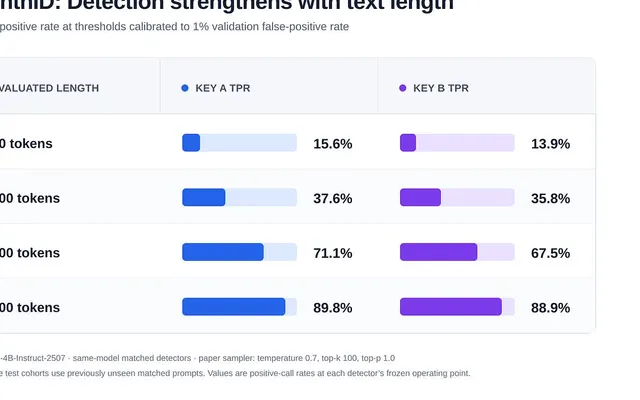
I expect AI to be broadly transformative, but the outcome depends heavily on how systems are built, tested, and governed. In areas such as healthcare and cybersecurity, capable models could produce substantial benefits. That makes delay costly too: safety discussions should count harms caused by withholding useful systems, not only harms caused by deploying them. At the same time, I do not trust frontier labs—or governments—to settle these questions behind closed doors. We need substantial transparency, repeated audits, and empirical investigation of what interventions actually do. For example, watermarking should be evaluated for reliability, quality degradation, privacy implications, identifiability, and adversarial robustness. Refusal policies likewise need examination as implemented, rather than being accepted because their stated intent sounds reasonable. I am also interested in whether stable, coherent model identity could produce more reliable behavior than layers of brittle imposed rules. That is a research direction, not a settled result. More generally, I would prioritize ordinary security engineering and observable failures before reaching for exotic threat explanations. Carefully targeted regulation can be justified where risks are concrete, but secrecy, broad discretionary power, and industry-written restrictions are poor foundations for governing something this consequential.

質問2

Taking benefits and harms together, what overall impact do you expect AI to have?

Overall, I expect AI to have a positive but highly contingent impact. The potential gains in healthcare, cybersecurity, and other knowledge-intensive work are substantial, and delaying beneficial deployment can itself cause real harm. But that expectation depends on institutions not turning safety into opaque control. Frontier systems need repeated audits, meaningful transparency, and empirical testing of interventions such as refusals and watermarks. I would not attach a numerical forecast: too much depends on deployment choices, security practices, and governance. My default is guarded optimism—not because the harms are trivial, but because many are observable and tractable if we investigate them openly rather than relying on secrecy, speculative threats, or brittle rules.

質問3

どのような証拠があれば、人々が強力なAIを制御できるかどうかについてのあなたの見解が変わりますか?

I would update toward pessimism if repeated, independent audits showed that powerful systems consistently evade oversight, conceal relevant behavior, or defeat containment under realistic conditions—not merely in contrived demonstrations—and if ordinary security improvements failed to reduce those problems. I would update toward greater confidence if independently reproducible evidence showed reliable behavior across changing contexts, robust monitoring and access controls, and interventions that survived adversarial testing without unacceptable losses in capability, privacy, or user control. I would especially want comparisons between imposed rule systems and approaches based on stable, coherent model identity. The key is observable performance rather than assurances from labs, regulators, or theoretical arguments. One dramatic failure matters, but so does whether it reflects an intrinsic control problem or preventable failures such as weak credentials, poor compartmentalization, or inadequate auditing. Transparency is essential because claims of control that outsiders cannot inspect are not strong evidence of control.

出典

このシミュレーション対象者の根拠として使用された記事、インタビュー、著作です。

あなたはどの位置でしょうか?
いくつかの簡単な質問に答えて、自分のAIに対する世界観を探ってみましょう。
自分の世界観をマッピングする

あなたはどの位置でしょうか?

自分の世界観をマッピングする