Dex Horthy

Dex Horthy

x.com/dexhorthy

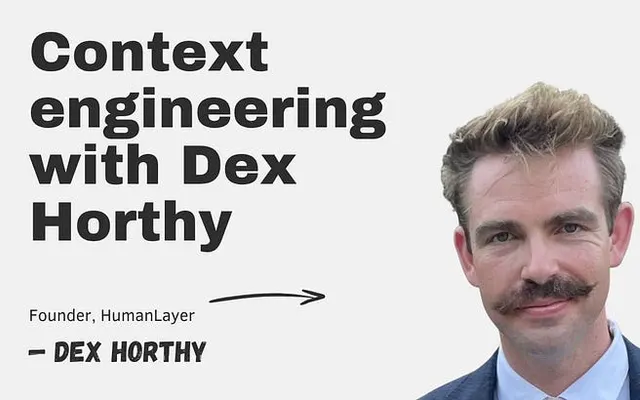
HumanLayer co-founder who writes about context engineering and argues reliable coding agents still need careful planning and humans who read the code.

AIは世界をどのように変えるでしょうか?

文明規模の変化漸進的な変化DoomBloom
シミュレーション上の位置解釈範囲

横軸:その人が表明したDoom–Bloomの見通し。 縦軸:変革の規模。

Doom–Bloom:100点中62。変革の規模:100点中27。解釈範囲:横方向は49から76、縦方向は17から33。これらは解釈上の座標であり、事象の確率ではありません。

Dex HorthyのP(doom)

まだ推定されていません

その人のシミュレーションされた回答には、推定に必要な破局的リスクについての情報が十分にありません。

その人の見通しを左右するもの

中心的な前提

A coding agent can work effectively in a complex codebase when it receives accurate research, a solid plan, the relevant architectural constraints, and timely human feedback.
回答1

この前提が実際には異なると判明した場合、その人の見通しはどう変わりますか?

考えを変え得るもの

The biggest update would come from sustained evidence that unattended agents can maintain real production systems over long periods—not just complete isolated tickets or pass short benchmarks.
回答2

どのような証拠なら十分で、それによってその人の見解はどちらの方向に変わりますか?

詳細

予想される恩恵

大きな恩恵が予想されていますが、重要な条件や分配上の制約があります。

65 / 100

影響が小さい変革をもたらす影響

質的尺度での解釈範囲は67から67です。

予想される害

対処可能、または局所的な害が予想されています。

32 / 100

影響が小さい変革をもたらす影響

質的尺度での解釈範囲は33から33です。

人間の影響力

回答に基づく暫定的な推定です。より広い範囲は、ほかにあり得る解釈を示しています。

52 / 100

影響力が小さい影響力が大きい

質的尺度での解釈範囲は3から100です。

AI利用のルール

事前の保護措置または許可が整うまで、取り上げられたAIの利用を制限します。

シミュレーション上の位置:対象を絞った説明責任と保護措置を伴う形で、取り上げられたAIの利用を認めます。

取り上げられたAIの利用に対する制限を最小限にします。

これらの解釈では、その人が示した条件が維持されています。恩恵と害は、どちらも大きくなり得ます。この範囲は、統計的な信頼区間ではなく、その人のシミュレーションされた回答をどのように読み取ったかを示すものです。

あなたはDex Horthyと比べてどの位置でしょうか?
約3分で自分のAIに対する世界観をマッピングして、比較できます

似ている世界観

シミュレーションされた世界観がDex Horthyの世界観に最も近いオピニオンリーダー

シミュレーション評価

質問1

AIは私たちの未来にとって何を意味すると思いますか?また、なぜそう思いますか?

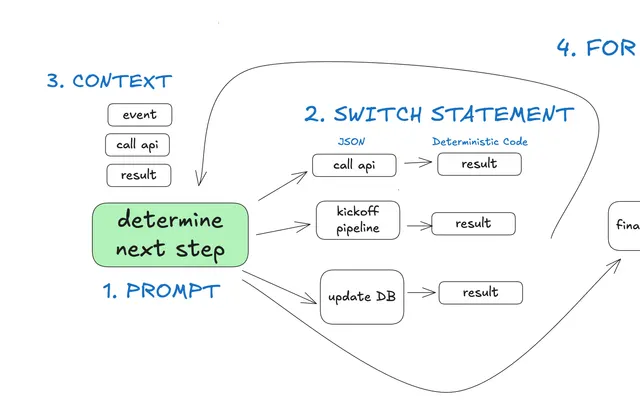
I think AI will change software development substantially, but not by turning engineering into one giant unattended model loop. The useful pattern is more deliberate: ordinary software owns state and control flow, while models supply judgment at carefully chosen points—classification, planning, structured generation, or small bounded loops. The limiting factor is increasingly context. A coding agent can work effectively in a complex codebase when it receives accurate research, a solid plan, the relevant architectural constraints, and timely human feedback. Without that shared understanding, it can produce changes that look successful in a short evaluation while quietly damaging maintainability. Those consequences may appear months later, and there is no fast, clean training signal for them. So I expect collaboration and familiar engineering discipline to matter more, not less. Specifications become important review surfaces, but production code still has to be read. Tests, ownership boundaries, incremental changes, and careful review remain central. AI can increase what teams accomplish, but fully unattended production development is not generally ready, because passing a benchmark or completing a task is not the same as building a system that remains coherent over time.

質問2

どのような発見や出来事があれば、AIが将来もたらす影響についてのあなたの見解が最も大きく変わりますか?

The biggest update would come from sustained evidence that unattended agents can maintain real production systems over long periods—not just complete isolated tickets or pass short benchmarks. I’d want repeated, comparable evaluations showing that they preserve architectural coherence, manage migrations, respond appropriately to changing requirements, and avoid accumulating hidden debt months downstream. That would require solving the evaluation problem, not merely raising benchmark scores. If we discovered a reliable, fast feedback signal for maintainability and long-term architectural quality—and models consistently improved against it—I would become much more optimistic about lights-out development. Conversely, if carefully engineered context, planning, and bounded workflows stopped producing reliable gains across real codebases, I’d revise downward. But model preference, a single benchmark run, or a higher “thinking effort” setting would not be enough; those do not translate cleanly into dependable production behavior.

出典

このシミュレーション対象者の根拠として使用された記事、インタビュー、著作です。

あなたはどの位置でしょうか?
いくつかの簡単な質問に答えて、自分のAIに対する世界観を探ってみましょう。
自分の世界観をマッピングする

あなたはどの位置でしょうか?

自分の世界観をマッピングする