






Pertanyaan 1
Dylan Patel
x.com/dylan522pFounder of SemiAnalysis who tracks AI chips and compute, expects fast AI progress and worries about power concentration and public backlash.
Bagaimana AI akan mengubah dunia?
Mendatar: pandangan Doom–Bloom yang ia ungkapkan. Ke atas: skala transformasi.
Doom–Bloom: 61 dari 100. Skala transformasi: 87 dari 100. Rentang interpretasi: 50 hingga 75 secara horizontal, 75 hingga 100 secara vertikal. Ini adalah koordinat interpretasi, bukan probabilitas kejadian.
≈7%
Disimpulkan dari jawaban simulasinya, bukan angka yang diberikan olehnya. Rentang yang masuk akal: 3–19%.
Asumsi utama
But “ultimately” hides the hard part: diffusion may lag capability because the best models are expensive, compute-constrained and increasingly reserved for labs or a few connected customers.Jawaban 2
Jika asumsi ini ternyata berbeda, bagaimana pandangannya akan berubah?
Pertanyaan yang belum terjawab
So I cannot tell you whether smarter-than-human AI escapes human control.Jawaban 4
Apa yang akan membantunya membedakan hasil-hasil yang masuk akal di sini?
Detail lebih lanjut
Manfaat besar diperkirakan akan terwujud, dengan syarat penting atau keterbatasan distribusi.
69 / 100
Rentang interpretasi 67 hingga 67 pada skala kualitatif.
Kerugian parah atau meluas merupakan bagian yang berarti dari masa depan yang diperkirakan.
67 / 100
Rentang interpretasi 67 hingga 67 pada skala kualitatif.
Pilihan manusia dapat menghasilkan perubahan terbatas, tetapi kekuatan dominan membatasi hasilnya.
36 / 100
Rentang interpretasi 24 hingga 51 pada skala kualitatif.
AI diperkirakan akan tetap menjadi alat dengan kemampuan terbatas.
AI diperkirakan akan menyamai manusia dalam sebagian besar pekerjaan kognitif.
Posisi simulasi: AI diperkirakan akan jauh melampaui manusia dalam berbagai pekerjaan kognitif.
Interpretasi ini mempertahankan kondisi yang dinyatakannya. Manfaat dan kerugian dapat sama-sama besar. Rentang tersebut menggambarkan cara kami membaca jawaban simulasinya, bukan interval kepercayaan statistik.
Pandangan dunia serupa
Pemimpin opini dengan pandangan dunia simulasi yang paling mendekati pandangan Dylan Patel
Apa yang pernah dikatakan Dylan Patel tentang AI
Patel expects AI demand to keep surging and calls a voluntary slowdown wishful thinking, and he warns of concentrating power and public backlash.
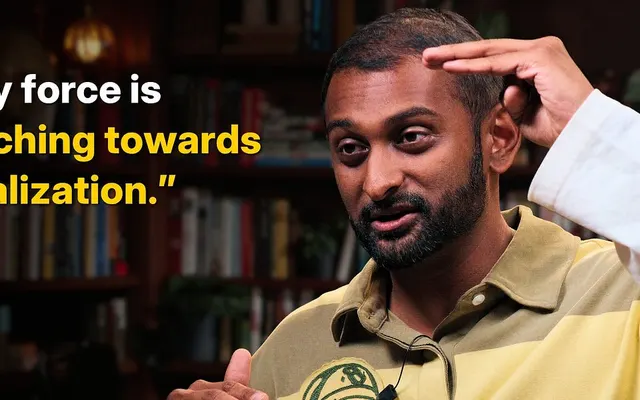
“Because it seems to me that every force is screeching towards centralization. And that’s scary as hell.”
Dwarkesh Podcast “Everyone who’s elected is going to hate AI. Even the people who are elected already hate AI.”
Dwarkesh Podcast “Slowing down AI is a ultimately wishful thinking”
Post on X “While you blinked, AI consumed all of software development.”
Post on X “Generally, humanity is going to suffer a lot less, I’m very optimistic about that. I do worry of like techno-fascism type stuff arising.”
Lex Fridman Podcast
Dikutip kata demi kata dari sumber yang ditautkan, diperiksa pada 6 Okt 2026
Sumber
Artikel, wawancara, dan tulisan yang digunakan sebagai landasan bagi pengguna simulasi ini.
Dwarkesh Podcast. Says OpenAI and Anthropic took about a third of new compute in 2026 and, if trends continue (“I see nothing that’s stopping it”), will control most usable FLOPs by end-2028, and that labs are shifting compute from inference to R&D. Regulation (labs not releasing their best models, state data-center bans), public anger and rising interest rates will bend the curve; slow takeoff is “at least my hope”, and “we could tear ourselves apart before we get there”. Calls the push toward centralization “scary as hell”, says he trusts neither the government nor Dario Amodei nor Sam Altman, and sees a choice between super-concentration where we pray one company gets everything right and governments slowing things for a balance of power. Own turns in the publisher transcript inspected, 00:00–00:07, 00:25:40–00:33:27 and 00:48:48 to the end.

Invest Like the Best, episode 469. Describes SemiAnalysis spending about $7 million a year on Claude Code against roughly $25 million in salaries, and says other firms will soon cut staff when one person does the work of five to fifteen. Says the uncertainty causes some fear about how society reforms itself when implementation is cheap and choosing ideas matters, and expects the newest models to be deployed ever more narrowly, concentrating token value among the well-connected. Predicts large-scale protests against Anthropic and OpenAI within three months because people hate AI, and says lab leaders should stop giving interviews about world-changing capabilities and show present, uplifting uses instead. Own turns read in an undiarized auto-caption copy (the publisher transcript is members-only); turns identified by question-and-answer structure.

Dwarkesh Podcast. Says OpenAI and Anthropic know what compute they need while Nvidia and the rest of the supply chain are not “AGI-pilled” and build less, making ASML’s EUV tools the main constraint by about 2030. If takeoff or timelines are slow, China can catch up drastically through subsidies and a vertical supply chain; distillation will get harder as labs sell automated work rather than visible reasoning. Thinks Elon Musk sees Taiwan risk as huge, and that losing Taiwan’s fabs would shrink global GDP and stall compute growth. Own turns in the publisher transcript inspected, 01:05:37–01:16:01 and 02:14:07 to the end, with spot reads elsewhere.

Matthew Berman interview. Says the junior developer market is “nuked” and AI tools are for everyone, not just coders. Describes himself as a lifelong capitalist from a family that ran a motel and gas stations who has come to think UBI is fine because society will otherwise rip itself apart; predicts the next election will be AI-focused with an anti-AI party winning as more than half of Americans view AI negatively and everything gets blamed on it. Calls degrowth a terrible idea because technology creates abundance, while saying cheap dopamine makes people less happy. Own turns read in an undiarized auto-generated transcript fetched through a web reader; the passages used contain his first-person biography, and no quotes are taken.

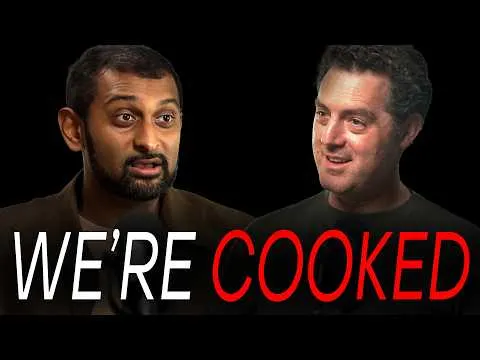
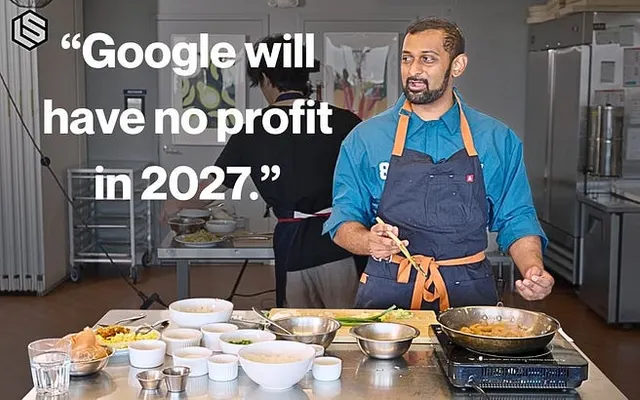
Latent Space cooking episode. Says he is not fully on board with AI 2027 but is pretty bullish on AI; AI is a bubble only if model progress slows, and it is accelerating month on month. Names the biggest risk as the general public hating AI, expects a real backlash from both the financial class and ordinary people, and says any party that wants to win should become the anti-AI party. On whether AI kills us all, says there is obviously risk but it is not his expertise and he does not care to opine. Own turns in the publisher’s speaker-labeled transcript inspected, 00:13:50–00:21:30 and 00:35:30–00:38:45.

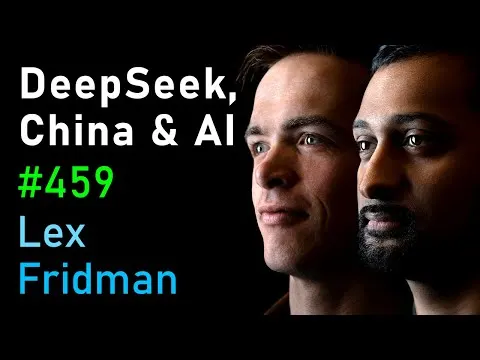
Lex Fridman Podcast #459 with Nathan Lambert. Says capabilities some would call AGI may arrive around 2027–2028 but cost will limit deployment, so “really awesome intelligence” comes before it permeates the economy; export controls only make sense on short timelines; Sam Altman’s point that superhuman persuasion may come before superhuman intelligence is a real risk. At the end says humanity will suffer a lot less and he is very optimistic, but worries about techno-fascism in which a few people, merged with AGI through brain-computer interfaces, rule everyone else. Own turns in the publisher transcript inspected (searched passages on AGI, export controls, persuasion and the closing segment); older context.

Penilaian Simulasi
Pertanyaan 2
Menurut Anda, seberapa besar AI pada akhirnya akan mengubah dunia?
Pertanyaan 3
Menurut firasat Anda, seberapa besar kemungkinan AI menyebabkan kepunahan manusia atau katastrofe permanen serupa?
Pertanyaan 4
Apakah Anda memperkirakan manusia akan tetap memegang kendali atas sistem AI yang lebih cerdas daripada manusia, dan mengapa?
Di mana posisi Anda?
Petakan pandangan dunia saya