



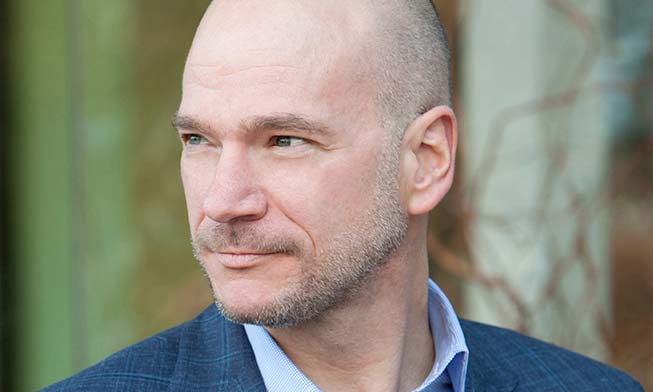



Perry E. Metzger

Perry E. Metzger

x.com/perrymetzger

Software and security technologist who favors fast, open AI development, pointing to its promise for software security and medical progress.

एआई दुनिया को कैसे बदलेगा?

सभ्यता-स्तरीय बदलावक्रमिक बदलावDoomBloom
सिम्युलेट की गई स्थितिव्याख्या का दायरा

आर-पार: उनका व्यक्त किया गया Doom–Bloom दृष्टिकोण। ऊपर: बदलाव का स्तर।

Doom–Bloom: 100 में से 85। बदलाव का स्तर: 100 में से 63। व्याख्या के दायरे: क्षैतिज रूप से 75 से 100, लंबवत रूप से 50 से 75। ये व्याख्या के निर्देशांक हैं, घटनाओं की संभावनाएँ नहीं।

Perry E. Metzger का P(doom) · अनुमानित

≈9%

0%100%

उनके सिम्युलेट किए गए उत्तरों से अनुमान लगाया गया है, यह उनके द्वारा बताई गई संख्या नहीं है। संभावित दायरा: 5–16%।

So my gut view is that extinction or an equivalently permanent catastrophe is unlikely, while large benefits are substantially more plausible.

हम P(doom) का अनुमान कैसे लगाते हैं

उनका दृष्टिकोण किन बातों पर निर्भर करता है

एक मुख्य मान्यता

Real power depends on hardware, energy, manufacturing, logistics, and interaction with a world full of other capable actors.
उत्तर 1

अगर यह मान्यता अलग साबित होती, तो उनका दृष्टिकोण कैसे बदलता?

क्या उनकी राय बदल सकता है

The biggest change would be convincing evidence that intelligence reliably translates into rapid, autonomous control of physical infrastructure despite hardware, energy, manufacturing, logistics, and active opposition.
उत्तर 4

कौन-सा प्रमाण पर्याप्त होगा, और उससे उनका दृष्टिकोण किस दिशा में बदलेगा?

अधिक जानकारी

अपेक्षित लाभ

कई व्याख्याएँ अब भी संभव हैं: व्यापक रूप से मूल्यवान और परिवर्तनकारी लाभों की उम्मीद है। / काफ़ी लाभ की उम्मीद है, लेकिन उनके साथ महत्वपूर्ण शर्तें या वितरण संबंधी सीमाएँ होंगी।

84 / 100

कम असरबदलावकारी असर

गुणात्मक पैमाने पर व्याख्या का दायरा 67 से 100 तक है।

अपेक्षित नुकसान

संभाले जा सकने वाले या स्थानीय स्तर तक सीमित नुकसानों की उम्मीद है।

30 / 100

कम असरबदलावकारी असर

गुणात्मक पैमाने पर व्याख्या का दायरा 0 से 33 तक है।

मानवीय प्रभाव

मानवीय विकल्पों का सार्थक, लेकिन काफी सीमित प्रभाव है।

57 / 100

कम प्रभावमजबूत प्रभाव

गुणात्मक पैमाने पर व्याख्या का दायरा 44 से 81 तक है।

इन व्याख्याओं में उनकी बताई गई शर्तें बरकरार रखी गई हैं। लाभ और नुकसान, दोनों पर्याप्त हो सकते हैं। ये दायरे बताते हैं कि हम उनके सिम्युलेट किए गए उत्तरों को कैसे समझते हैं, ये सांख्यिकीय विश्वास-अंतराल नहीं हैं।

Perry E. Metzger की तुलना में आपकी सोच कहाँ ठहरती है?
लगभग 3 मिनट में एआई के बारे में अपना विश्वदृष्टिकोण मैप करें, फिर तुलना करें

मिलते-जुलते विश्वदृष्टिकोण

ऐसे जाने-माने विचारक जिनके सिम्युलेट किए गए विश्वदृष्टिकोण Perry E. Metzger के विश्वदृष्टिकोण से सबसे अधिक मिलते हैं

स्रोत

इस सिम्युलेट किए गए उपयोगकर्ता को तथ्य-आधारित बनाने के लिए इस्तेमाल किए गए लेख, इंटरव्यू और रचनाएँ।

सिम्युलेट किया गया आकलन

सवाल 1

आपके विचार में एआई हमारे भविष्य के लिए क्या मायने रखती है—और क्यों?

I expect AI to be broadly beneficial, not an automatic route to extinction or a meaningless future. The strongest case is practical: it can amplify scientific work, help find cures, make software development more reliable, and raise productivity. Those gains matter more than preserving existing systems of academic prestige or professional gatekeeping. Software security is a useful example. If AI becomes good at finding vulnerabilities, that creates offensive risk—but it also creates an enormous defensive opportunity. We can use the same capability to audit code, repair longstanding defects, and make formal verification far more accessible. That does not magically prove entire systems correct. A proof is only as good as its specification and still rests on assumptions about proof tools, compilers, operating systems, and hardware. But lowering the cost of proof work would still be a major engineering advance. I also reject the hand-waving story in which intelligence automatically produces alien goals and then instant physical domination. Real power depends on hardware, energy, manufacturing, logistics, and interaction with a world full of other capable actors. Those bottlenecks do not disappear because a model becomes smarter. Distributed progress also means distributed defensive capability; concentrating control is not obviously the safe answer. None of this means every use is harmless. It means the future should be analyzed through concrete mechanisms rather than treated as a morality play where stronger tools necessarily destroy us. The available signs of productivity improvement are suggestive, though that interpretation is not itself a clean causal study. Overall, I expect substantial gains if we actually engineer and deploy these systems well.

सवाल 2

आपके हिसाब से एआई अंततः दुनिया को कितना बदल देगा?

Enormously—probably across science, medicine, software, and economic production—but not by making engineering reality disappear. AI can reduce the cost of intellectual work: generating and checking proofs, finding bugs, exploring scientific hypotheses, and accelerating the search for treatments. That can change institutions built around scarce expert labor and academic credit. But “enormous change” does not imply an overnight godlike takeover. Intelligence still has to operate through chips, power, laboratories, factories, supply chains, software stacks, and people. Formal verification still depends on correct specifications and trusted assumptions below the proof. Drug discovery still has to confront experiments and biology. Vulnerabilities still have to be fixed and deployed, not merely identified. So I expect deep, broad change mediated by ordinary physical and institutional bottlenecks—not magic, and not the automatic end of humanity or meaningful life.

सवाल 3

आपको सहज रूप से कितनी संभावना लगती है कि एआई मानव विलुप्ति या ऐसी ही किसी स्थायी आपदा का कारण बनेगा?

I would not put a percentage on it. I think the confident extinction case is badly overstated because it usually jumps from “very intelligent software” to “alien goals plus immediate control of the physical world,” skipping hardware, energy, manufacturing, logistics, and opposition from other capable systems and people. That does not establish zero risk. Powerful tools can be misused, software vulnerabilities can have severe consequences, and failures can propagate. But stronger AI also improves bug finding, verification, scientific understanding, and distributed defensive capacity. Those effects matter in both directions. So my gut view is that extinction or an equivalently permanent catastrophe is unlikely, while large benefits are substantially more plausible. Assigning a crisp number would imply a precision I cannot justify.

सवाल 4

कौन-सी खोज या घटना एआई के भविष्य के प्रभाव के बारे में आपके दृष्टिकोण को सबसे अधिक बदल देगी?

The biggest change would be convincing evidence that intelligence reliably translates into rapid, autonomous control of physical infrastructure despite hardware, energy, manufacturing, logistics, and active opposition. A demonstrated system that could close that entire loop—not merely write plans or exploit software—would undermine a central reason I reject instant-takeover narratives. In the other direction, repeated failure to produce meaningful gains in areas like scientific discovery, medicine, software verification, or productivity would weaken my optimism. I would want to distinguish model benchmarks and impressive demonstrations from deployed results. If AI could find bugs but not help defenders patch systems, generate proofs but not handle real specifications and trusted computing assumptions, or suggest treatments without surviving experimental validation, then its practical impact would be much smaller than I expect. So the key evidence is not another argument about abstract intelligence. It is whether AI can actually overcome—or fails to overcome—the concrete bottlenecks between cognition and real-world outcomes.
आपकी सोच कहाँ ठहरती है?
कुछ आसान सवालों के जवाब देकर एआई के बारे में अपना विश्वदृष्टिकोण जानें।
अपना विश्वदृष्टिकोण मैप करें

आपकी सोच कहाँ ठहरती है?

मेरा विश्वदृष्टिकोण मैप करें