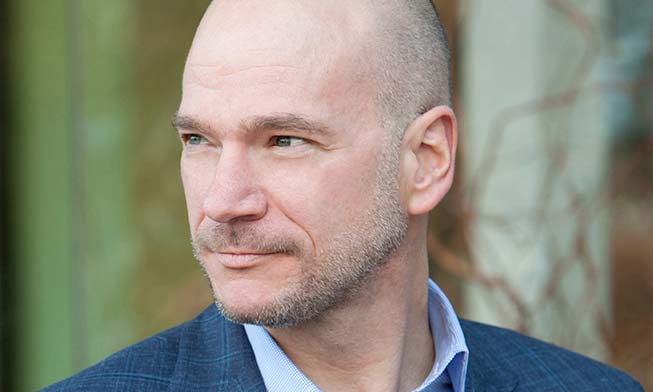









Andrew McAfee

Andrew McAfee

x.com/amcafee

MIT research scientist who expects large benefits from AI and favors broad experimentation, with rules that respond to demonstrated harms.

एआई दुनिया को कैसे बदलेगा?

सभ्यता-स्तरीय बदलावक्रमिक बदलावDoomBloom
सिम्युलेट की गई स्थितिव्याख्या का दायरा

आर-पार: उनका व्यक्त किया गया Doom–Bloom दृष्टिकोण। ऊपर: बदलाव का स्तर।

Doom–Bloom: 100 में से 89। बदलाव का स्तर: 100 में से 71। व्याख्या के दायरे: क्षैतिज रूप से 75 से 100, लंबवत रूप से 50 से 76। ये व्याख्या के निर्देशांक हैं, घटनाओं की संभावनाएँ नहीं।

Andrew McAfee द्वारा बताया गया P(doom)

≈0%

0%100%
“It’s near zero. Never say never.”

Human extinction caused by AI

AI Emergency Debate — The Diary of a CEO · सित॰ 2026

Andrew McAfee के पड़ावों की समय-सीमा
  1. काम और संस्थाएँ

    So I expect profound long-run change without assuming that every occupation vanishes or that the whole economy is transformed by 2030.

    उत्तर 2

पड़ाव के अनुसार समूहबद्ध; अनुमानित तारीखों के अंतर या क्रम के अनुसार नहीं। एजीआई और अतिमानवीय एआई की उनकी परिभाषाएँ बरकरार रखी गई हैं।

उनका दृष्टिकोण किन बातों पर निर्भर करता है

एक मुख्य मान्यता

Businesses generally change much more slowly than technology demonstrations suggest.
उत्तर 1

अगर यह मान्यता अलग साबित होती, तो उनका दृष्टिकोण कैसे बदलता?

क्या उनकी राय बदल सकता है

Concrete systems that act harmfully and defeat sustained attempts to shut them down would change my assessment substantially.
उत्तर 1

कौन-सा प्रमाण पर्याप्त होगा, और उससे उनका दृष्टिकोण किस दिशा में बदलेगा?

अधिक जानकारी

अपेक्षित लाभ

व्यापक रूप से मूल्यवान और परिवर्तनकारी लाभों की उम्मीद है।

95 / 100

कम असरबदलावकारी असर

गुणात्मक पैमाने पर व्याख्या का दायरा 67 से 100 तक है।

अपेक्षित नुकसान

संभाले जा सकने वाले या स्थानीय स्तर तक सीमित नुकसानों की उम्मीद है।

31 / 100

कम असरबदलावकारी असर

गुणात्मक पैमाने पर व्याख्या का दायरा 33 से 33 तक है।

मानवीय प्रभाव

मानवीय विकल्पों का सार्थक, लेकिन काफी सीमित प्रभाव है।

53 / 100

कम प्रभावमजबूत प्रभाव

गुणात्मक पैमाने पर व्याख्या का दायरा 40 से 85 तक है।

विकास की गति

अधिक सक्षम एआई का विकास रोकें या उसकी गति काफी धीमी करें।

सिम्युलेट की गई स्थिति: बताए गए सुरक्षा उपायों के तहत विकास जारी रखें।

अधिक सक्षम एआई के विकास की गति बढ़ाएँ।

एआई के उपयोग के नियम

जिन सुरक्षा उपायों या अनुमति का पहले से होना ज़रूरी है, उनके लागू होने तक चर्चा किए गए एआई उपयोगों को प्रतिबंधित रखें।

सिम्युलेट की गई स्थिति: लक्षित जवाबदेही और सुरक्षा उपायों के साथ चर्चा किए गए एआई उपयोगों की अनुमति दें।

चर्चा किए गए एआई उपयोगों पर प्रतिबंध कम से कम रखें।

इन व्याख्याओं में उनकी बताई गई शर्तें बरकरार रखी गई हैं। लाभ और नुकसान, दोनों पर्याप्त हो सकते हैं। ये दायरे बताते हैं कि हम उनके सिम्युलेट किए गए उत्तरों को कैसे समझते हैं, ये सांख्यिकीय विश्वास-अंतराल नहीं हैं।

Andrew McAfee की तुलना में आपकी सोच कहाँ ठहरती है?
लगभग 3 मिनट में एआई के बारे में अपना विश्वदृष्टिकोण मैप करें, फिर तुलना करें

मिलते-जुलते विश्वदृष्टिकोण

ऐसे जाने-माने विचारक जिनके सिम्युलेट किए गए विश्वदृष्टिकोण Andrew McAfee के विश्वदृष्टिकोण से सबसे अधिक मिलते हैं

स्रोत

इस सिम्युलेट किए गए उपयोगकर्ता को तथ्य-आधारित बनाने के लिए इस्तेमाल किए गए लेख, इंटरव्यू और रचनाएँ।

AI Emergency Debate — The Diary of a CEO

Third-party transcript, McAfee turns only: 00:06:14–07:38 places extinction risk approximately at zero, not impossibility; 00:46:15–47:14 opposes sacrificing benefits to speculative fears; 00:47:21–52:10 would update toward regulation after concrete harmful systems resist shutdown (a hypothetical test, not an incident); 01:36:37–39:41 separates capability progress from catastrophe and emphasizes medical upside. Exclude the host and all other panelists, including their forecasts and allegations.

singjupost.com
Andrew McAfee on AI, jobs, and permissionless innovation

Revised earlier mass-unemployment concerns in light of employment evidence. Expects disruption, including local job losses and damaged apprenticeship routes, while favoring permissionless innovation. Supports intervention for demonstrated externalities such as pollution; does not reject all regulation.

mckinsey.com
Why I Didn't Sign the AI Open Letter

Expects major technical improvement over a decade but questions economy-wide transformation by 2030. Prefers capacity to respond quickly to emerging harms over institutions that preemptively steer innovation. Acknowledges both disruption and improved living standards.

geekway.substack.com
The future of innovation, with Andrew McAfee

Uncertain whether LLMs alone reach AGI. Separates task automation from occupation loss and highlights institutional adoption barriers. Acknowledges possible hiring and sectoral employment damage while favoring experimentation over protection of incumbent jobs.

niskanencenter.org
Why Andrew McAfee thinks AI can save the planet

Interview-derived article from Latitude Studios in partnership with Google, explicitly sponsored content. McAfee expects substantial transformation within a decade and argues AI-driven efficiency and scientific advances can outweigh infrastructure resource costs. These are his expectations, not an independently established net-impact calculation.

latitudemedia.com

सिम्युलेट किया गया आकलन

सवाल 1

आपके विचार में एआई हमारे भविष्य के लिए क्या मायने रखती है—और क्यों?

I think AI is likely to be a large net positive for our future. It can accelerate scientific discovery, improve medicine, raise productivity, and help us use energy and materials more efficiently. When evaluating its environmental footprint, for example, we should count not only what data centers consume but also the travel, waste, experimentation, and physical resources that better digital systems help us avoid. That optimism is not a claim that every transition will be painless. AI will automate many tasks, but tasks are not occupations. Whether jobs disappear depends on demand, organizational change, regulation, complementary skills, and how quickly institutions adopt new tools. Businesses generally change much more slowly than technology demonstrations suggest. I expect real disruption—including local job losses and weakened entry-level career paths—but the evidence has made me less concerned about permanent mass technological unemployment. I therefore favor broad experimentation and permissionless innovation, combined with practical responses to harms we can actually identify. That can include pollution rules, support for displaced workers, and tested safeguards for autonomous agents. I put extinction risk approximately at zero, though not literally at zero. Rapid capability improvement by itself does not demonstrate catastrophe. Concrete systems that act harmfully and defeat sustained attempts to shut them down would change my assessment substantially. The key distinctions are between technical possibility and economy-wide adoption, between automating tasks and eliminating jobs, and between imaginable harms and demonstrated ones. AI has already exceeded my expectations, but that does not mean every ambitious timeline—or every apocalyptic story—deserves equal confidence.

सवाल 2

आपके हिसाब से एआई अंततः दुनिया को कितना बदल देगा?

Enormously—potentially on the scale of the most consequential general-purpose technologies. I expect better science, medicine, education, productivity, and resource efficiency, with substantial gains in living standards. But “ultimately” matters. A striking technical capability is not the same thing as rapid economy-wide transformation. Firms must redesign workflows, workers must learn new roles, institutions must adapt, and complementary investments must be made. Those processes are usually slower and messier than software progress. So I expect profound long-run change without assuming that every occupation vanishes or that the whole economy is transformed by 2030. AI will automate tasks, reshape jobs, create new products, and disrupt some communities and career paths. Demand and adoption constraints will determine how that translates into employment. The likely destination is very different from today; the path there will be uneven, institutionally constrained, and full of benefits and genuine adjustment costs.

सवाल 3

आपको सहज रूप से कितनी संभावना लगती है कि एआई मानव विलुप्ति या ऐसी ही किसी स्थायी आपदा का कारण बनेगा?

Approximately zero—though not literally zero. Rapid capability progress alone is not evidence that extinction follows. I would update sharply if we saw concrete AI systems acting harmfully and repeatedly defeating serious attempts to monitor, contain, or shut them down. Until then, sacrificing large potential gains in medicine, science, productivity, and living standards to poorly specified catastrophe scenarios strikes me as the wrong tradeoff.

सवाल 4

क्या आपको लगता है कि लोग इंसानों से अधिक बुद्धिमान एआई सिस्टम पर नियंत्रण बनाए रखेंगे, और क्यों?

Yes, I expect people to retain meaningful control, although “smarter than humans” is too vague to settle the issue. A system can outperform us across many cognitive tasks without acquiring independent goals, control over critical infrastructure, or an ability to resist shutdown. Capability and autonomy are different, and neither automatically implies catastrophe. Control will also come from layers outside the model: limited permissions, monitoring, behavior-derived guardrails, institutional rules, and the ability to disconnect systems from resources and networks. I do not claim that any one safeguard solves every future control problem, but practical safeguards can be developed and tested as systems become more capable. What would change my mind is concrete evidence of harmful autonomy: systems persistently deceiving operators, acquiring resources or access against instructions, and defeating sustained efforts to contain or shut them down. That would justify a much stronger response. But I do not think intelligence alone establishes that such a loss of control is likely.
आपकी सोच कहाँ ठहरती है?
कुछ आसान सवालों के जवाब देकर एआई के बारे में अपना विश्वदृष्टिकोण जानें।
अपना विश्वदृष्टिकोण मैप करें

आपकी सोच कहाँ ठहरती है?

मेरा विश्वदृष्टिकोण मैप करें