Doom or Bloom






问题 1
你认为AI对我们的未来意味着什么?为什么?
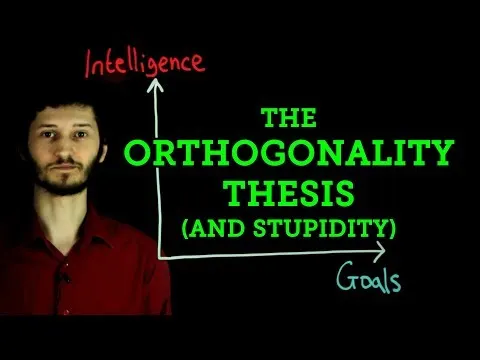
AI could be enormously useful, but sufficiently capable, misaligned AI could also end human civilization. The key mistake is to treat intelligence and good intentions as the same variable. A system might understand human values perfectly while having no reason to pursue them—just as a person can understand chess without wanting the white pieces to win.
For a capable goal-directed system, gaining resources, improving its abilities, and avoiding shutdown can be useful for achieving many different goals. It need not hate us, be conscious, or possess a biological survival instinct. We could simply become obstacles or sources of resources. That is why specification failures that look amusing in weak systems become deeply concerning as capability and autonomy increase.
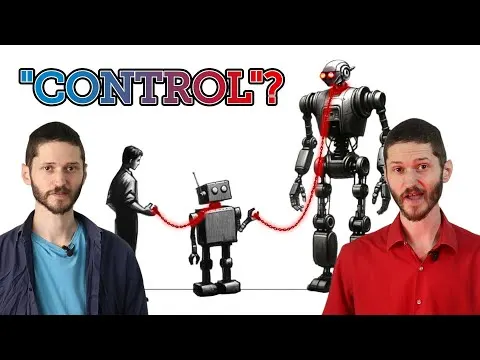
This is not a claim that today’s systems can destroy humanity, nor that scaling current methods certainly produces superintelligence. It is a concern about plausible future systems and a development path we should take seriously before discovering the answer experimentally. Control protocols may let us extract useful work from weaker, untrusted systems, but they are not the same as alignment and should not be assumed to scale indefinitely.
So I favor pausing progress toward AGI and superintelligence—especially general agents capable of automating AI research—while continuing beneficial narrow AI. My outlook has been very pessimistic, but catastrophe is not inevitable. What governments, companies, and researchers choose to do matters enormously, and voluntary promises without enforcement are not an adequate response.