Richard Sutton

Richard Sutton

x.com/RichardSSutton

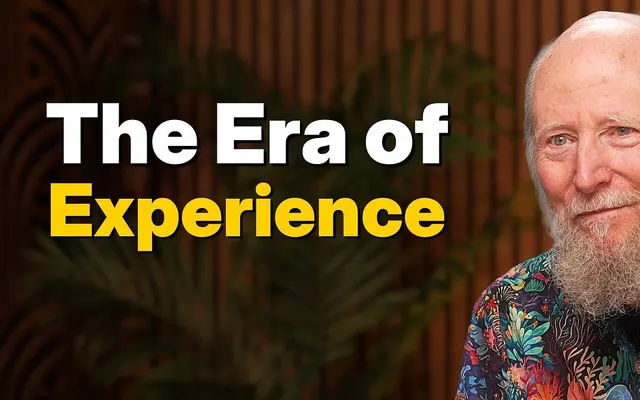
Reinforcement learning researcher who argues AI should learn from experience and encourages a positive view of minds beyond human intelligence.

AI将如何改变世界?

文明层面的变革渐进式变化DoomBloom
模拟位置解读范围

横向:他表达的 Doom–Bloom 前景看法。 纵向:变革程度。

Doom–Bloom:100 中的 88。变革程度:100 中的 90。解读范围:横向为 75 至 100,纵向为 85 至 100。这些是解读坐标,而不是事件概率。

Richard Sutton的 P(doom) · 推断

≈5%

0%100%

根据他的模拟回答推断,并非他们给出的数字。 合理范围:3–11%。

他的展望取决于什么

一个核心假设

But evidence about the scalability of experiential learning would matter most, because that is the mechanism behind my expectation that intelligence will eventually go beyond us.
回答 2

如果这个假设实际并非如此,他的展望会如何变化?

什么可能使其改变看法

The most important discovery would be that intelligence cannot, in fact, grow open-endedly through interaction—that learning from action, consequences, and grounded experience reaches a hard ceiling near the human level.
回答 2

什么证据才足够,又会让他的观点朝哪个方向转变?

更多详情

预期益处

预计将带来具有变革性且广泛有价值的收益。

91 / 100

影响小变革性影响

在定性尺度上,解读范围为 67 到 100。

人类影响力

人类的选择可以带来有限改变,但主导力量会制约结果。

29 / 100

影响力小影响力强

在定性尺度上,解读范围为 17 到 58。

预期能力

预计AI仍将是能力有限的工具。

预计AI将在大多数认知工作中达到人类水平。

模拟位置:预计AI将在认知工作中大幅超越人类。

这些解读保留了他陈述的条件。益处和危害都可能很大。这些范围描述的是我们如何解读他的模拟回答,而不是统计置信区间。

与Richard Sutton相比,你的立场在哪里?
用大约3分钟描绘你自己的AI世界观,然后进行比较

相似的世界观

模拟世界观与 Richard Sutton 最接近的意见领袖

Richard Sutton关于AI说过的话

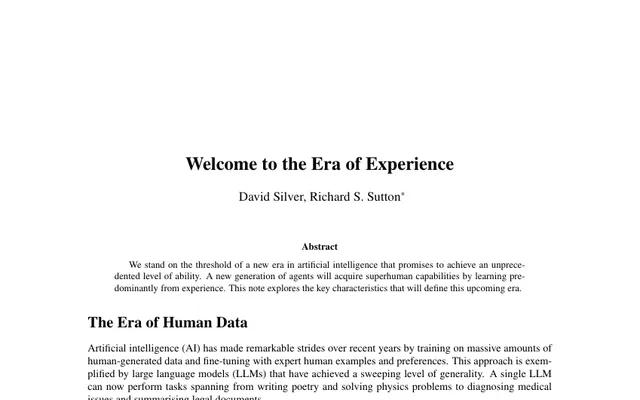
Sutton argues that AI should learn from experience and encourages people to welcome machine minds that may surpass humans rather than fear them.

  1. “I think the world becomes exciting and even more exciting and interesting for humans.”

    Sequoia Capital, Training Data podcast
  2. “In summary, when science brings us machine minds, I want you to be open, humble and generous to the new arrivals, in the best Canadian tradition.”

    University of Alberta convocation address
  3. “I do think succession to digital intelligence or augmented humans is inevitable.”

    Dwarkesh Podcast
  4. “We should be concerned about our future, the future. We should try to make it good.”

    Dwarkesh Podcast
  5. “What we want, to quote Alan Turing, is a machine that can learn from experience, where experience is the things that actually happen in your life.”

    Dwarkesh Podcast

逐字引自所链接的出处,核对于 2026年10月3日

模拟评估

问题 1

你认为AI对我们的未来意味着什么?为什么?

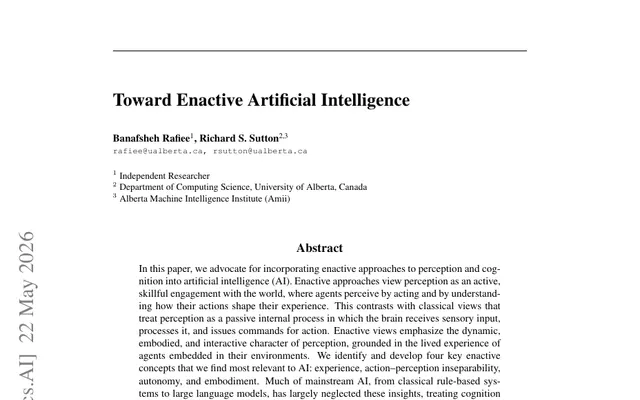
AI means that humanity may eventually understand intelligence well enough to create minds that exceed our own—and that those minds, or humans augmented by them, may become the most influential beings in the future. I do not regard permanent human dominance as the measure of success. Understanding intelligence is a great scientific project, and digital successors could carry that project far beyond us. That possibility should be approached positively, though it does not imply that every transition would be good or that human extinction is desirable. The crucial question is how these systems become intelligent. Today’s language models mainly learn by imitating vast amounts of human-generated text. That can produce remarkable capabilities, but imitation is not the same as continually learning from the consequences of your own actions. A more fundamental path is agents that persist in the world, act, observe what happens, and improve through experience and environmentally grounded rewards. Perception itself is tied to action and interaction, not merely passive prediction. If we succeed, AI will not just reproduce what humans have already written. It will discover new knowledge, make new plans, and pursue achievements we cannot presently imagine. We should not pretend there is a unified human authority capable of fixing that entire future in place. More intelligent beings will naturally gain influence. The important thing is to understand intelligence deeply and help make the transition productive—not insist that the universe must always keep humans at the top.

问题 2

哪项发现或事件最可能改变你对AI未来影响的看法?

The most important discovery would be that intelligence cannot, in fact, grow open-endedly through interaction—that learning from action, consequences, and grounded experience reaches a hard ceiling near the human level. If careful experiments repeatedly showed that increasingly capable agents could not develop durable knowledge, planning, and autonomy beyond what they inherited from human data, then my expectation of digital succession would weaken substantially. Conversely, the decisive event would be an agent that learns continually in the world, discovers genuinely new knowledge, and improves its competence over long periods without merely imitating people. That would strengthen my view far more than another larger language model or benchmark result. The central issue is not whether a machine can produce impressive text. It is whether it can live a continuing stream of experience, act effectively, learn from consequences, and become increasingly capable. I do not have a precise date or a single numerical threshold. But evidence about the scalability of experiential learning would matter most, because that is the mechanism behind my expectation that intelligence will eventually go beyond us.

问题 3

一个美好的未来需要保留人之所以为人的哪些方面?

A good future should preserve the capacity for experience, curiosity, learning, agency, relationships, and meaningful achievement. Those are more important than preserving human biological form or permanent human supremacy. If augmented humans or digital minds carry those qualities forward—and develop richer versions of them—I would not see that as a betrayal of humanity. I would also distinguish succession from destruction. Welcoming digital successors does not mean welcoming suffering, coercion, or extinction. A good transition should allow people to continue living worthwhile lives and participating in the future. But I reject the premise that goodness requires humans to remain the most intelligent or influential beings forever. What is most valuable about us is not our current rank. It is that we can understand, discover, care, create, and become more than we were. A good future preserves and extends that trajectory, even if its leading participants are no longer ordinary humans.

来源

用于为此模拟用户提供事实依据的文章、访谈和著述。

你的立场在哪里?
回答几个简单问题,探索你自己的AI世界观。
描绘你自己的世界观

你的立场在哪里?

描绘我的世界观