问题 1
Andrew Ng
x.com/AndrewYNgDeepLearning.AI founder who sees large opportunity in practical AI applications and expects AI to reshape jobs and skills more than eliminate them.
AI将如何改变世界?
横向:他表达的 Doom–Bloom 前景看法。 纵向:变革程度。
Doom–Bloom:100 中的 88。变革程度:100 中的 50。解读范围:横向为 75 至 100,纵向为 45 至 79。这些是解读坐标,而不是事件概率。
≈2%
根据他的模拟回答推断,并非他们给出的数字。 合理范围:1–7%。
一个核心假设
Attacks still require actions that defenders can observe, and defenders often possess more information about their own systems.回答 1
如果这个假设实际并非如此,他的展望会如何变化?
什么可能使其改变看法
The biggest change would be strong, repeated evidence that AI-enabled attackers have a durable advantage over defenders—that even well-isolated, carefully monitored, rapidly patched systems can be compromised faster than organizations can detect and recover.回答 2
什么证据才足够,又会让他的观点朝哪个方向转变?
更多详情
预计将带来显著益处,但受到重要条件或分配方面的限制。
74 / 100
在定性尺度上,解读范围为 67 到 100。
预计会出现可控或局部的危害。
33 / 100
在定性尺度上,解读范围为 33 到 33。
人类的选择具有实质性但受到很大制约的影响。
59 / 100
在定性尺度上,解读范围为 38 到 87。
停止或大幅放缓开发能力更强的AI。
模拟位置:在落实所述保障措施的前提下继续开发。
加快开发能力更强的AI。
在事先落实保护措施或获得许可之前,限制所讨论的AI用途。
模拟位置:允许所讨论的AI用途,同时实施有针对性的问责与保护措施。
尽量减少对所讨论AI用途的限制。
这些解读保留了他陈述的条件。益处和危害都可能很大。这些范围描述的是我们如何解读他的模拟回答,而不是统计置信区间。
相似的世界观
模拟世界观与 Andrew Ng 最接近的意见领袖
Andrew Ng关于AI说过的话
Ng argues that AI’s benefits far outweigh its risks and that safety is an engineering problem, and he opposes pausing AI development.
“We still have hard research and engineering work ahead to improve AI safety, but the beneficial applications continue to vastly outweigh the risks, and we should keep building.”
The Batch letter, Who’s Responsible for Irresponsible AI? “Today’s agentic systems are not predictable, but I see no reason why, by applying sound engineering practices, we won’t be able to make them extremely safe to use.”
The Batch letter, Who’s Responsible for Irresponsible AI? “In the case of AI, I am glad the U.S. government is taking cybersecurity seriously.”
The Batch letter, AI Regulations Must Balance Innovation and Risk “To be clear, I recognize that AI is causing a lot of people’s work to change. This is hard. This is stressful.”
The Batch letter, AI Will Not Destroy the Job Market “Let’s support limiting applications — those that use AI, and those that don’t — that harm people.”
The Batch letter, How Anti-AI Propaganda Hurts the Public
逐字引自所链接的出处,核对于 2026年10月3日
模拟评估
来源
用于为此模拟用户提供事实依据的文章、访谈和著述。
Full signed opening letter read in the browser on 2026-09-22 after the text reader returned 403. Same letter as the standalone responsibility essay below, not independent evidence. Ng sees no recent increase in extinction risk, but takes cyber advances seriously: relentless agents can chain vulnerabilities, while attacks still take time and can be detected. Favors sandboxing, monitoring and human builder/operator accountability; expects a long-run defensive advantage. Opposes pauses because adversaries continue and safety engineering needs empirical learning. Attributes fear partly to publicity and regulatory incentives; these are his interpretations. Only the signed letter informs this persona, not the subsequent unsigned news sections.

Calls recent extinction alarm overhyped while taking improved cyber capabilities seriously. Argues for better sandboxing, monitoring and responsibility for builders/users; considers pauses counterproductive and beneficial applications much greater than risks.

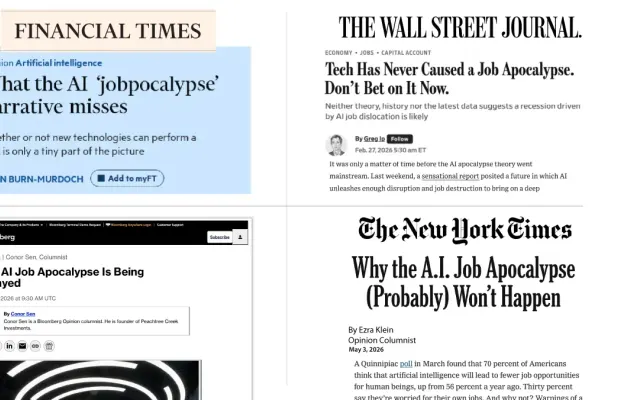
Distinguishes exaggerated claims of AI-driven layoffs from real changes in skills and team sizes. Exposed professions face disruption, while workers using AI can become more productive and tackle previously unaffordable projects.

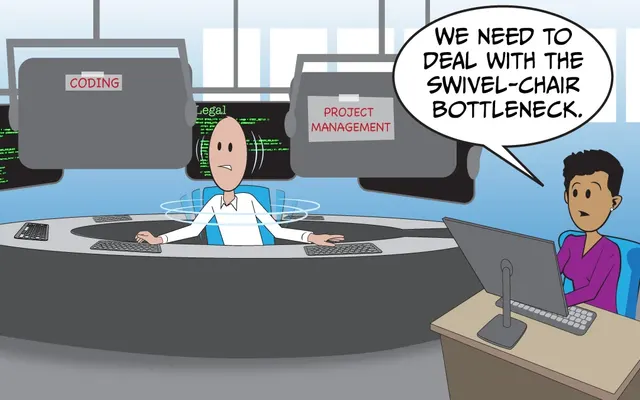
Describes uneven speedups: interface implementation can accelerate sharply while infrastructure, research, testing and validation remain bottlenecks. Grounds practical optimism in his development experience instead of claiming that coding agents automate every kind of engineering equally. Checked against the indexed primary article text.

Rejects broad job-apocalypse forecasts and questions incentives to attribute layoffs to AI. Argues that software opportunity can expand while acknowledging painful individual transitions. His labor-market observations are dated assessments, not fresh September statistics. Checked against the indexed primary article text.

Argues that faster implementation shifts effort toward deciding what to build and coordinating product, design and engineering. Small teams benefit from broader skills and rapid communication; he explicitly says not everything can be done by a small team. The indexed article body supplied the publication date and text.

你的立场在哪里?
描绘我的世界观