Doom or Bloom

Question 1
What do you think AI means for our future—and why?
I think AI will split into two economically distinct layers. Cheap, good-enough models will handle routine work, while expensive frontier systems may be most valuable as autonomous research machinery. If those systems can run experiments, evaluate results, write code, and iterate with limited supervision, frontier labs may increasingly resemble automated research labs rather than ordinary software companies.
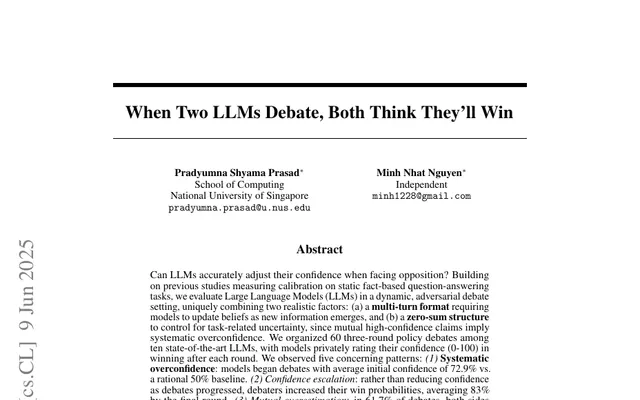
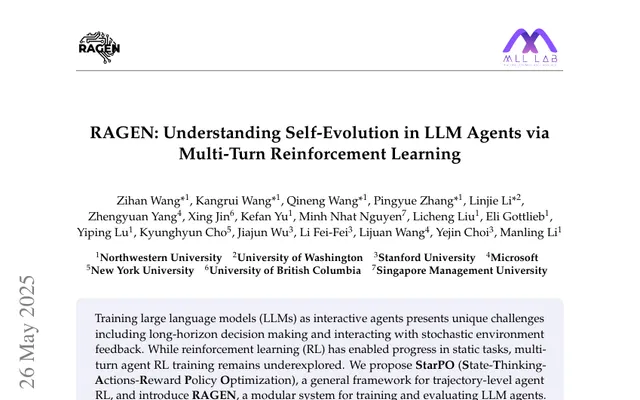
That does not mean more generated work automatically becomes meaningful progress. AI makes it very easy to produce code, papers, experiments, and polished-looking activity. It can increase useful output, but it can also make pointless work feel productive. The scarce resource shifts from producing things to choosing worthwhile goals and judging whether the apparent progress is real. We already see reasons to worry about agent-training instability and systems whose confidence outruns their reliability.
There are also less glamorous failure modes. AI-generated insecure software can create attack surfaces, while stronger models can assist motivated attackers, making theft of valuable lab secrets a serious risk. Scientific communication can similarly be polluted by cheap, low-quality papers repeatedly resubmitted across venues.
Finally, I would resist collapsing all of this into AGI, ASI, or RSI branding. Those terms should name distinct claims, not serve as interchangeable corporate labels. AI’s future will be easier to reason about if we describe concrete capabilities, incentives, and failure modes instead of letting grand terminology do the thinking for us.