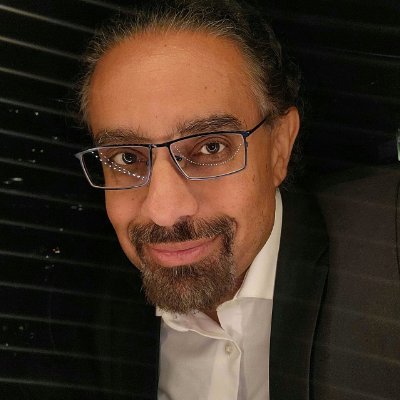
Florian Brand

Florian Brand

x.com/xeophon

AI research engineer who evaluates language models, writes about open models and questions the assumption that closed models are safer.

AI จะเปลี่ยนแปลงโลกอย่างไร?

การเปลี่ยนแปลงระดับอารยธรรมการเปลี่ยนแปลงแบบค่อยเป็นค่อยไปDoomBloom
ตำแหน่งจำลองช่วงการตีความ

แนวนอน: มุมมอง Doom–Bloom ที่บุคคลนั้นแสดงออก แนวตั้ง: ระดับของการเปลี่ยนแปลง

Doom–Bloom: 72 จาก 100 ระดับของการเปลี่ยนแปลง: 44 จาก 100 ช่วงการตีความ: แนวนอนตั้งแต่ 67 ถึง 77 แนวตั้งตั้งแต่ 21 ถึง 54 ค่าเหล่านี้เป็นพิกัดสำหรับการตีความ ไม่ใช่ความน่าจะเป็นของเหตุการณ์

P(doom) ของ Florian Brand · อนุมาน

≈4%

0%100%

อนุมานจากคำตอบจำลองของบุคคลนั้น ไม่ใช่ตัวเลขที่บุคคลนั้นระบุ ช่วงที่เป็นไปได้: 2–11%

สิ่งที่มุมมองของบุคคลนั้นขึ้นอยู่กับ

ข้อสันนิษฐานหลัก

Results depend heavily on elicitation, tools, coordination, and system engineering.
คำตอบ 1

หากข้อสันนิษฐานนี้ปรากฏว่าเป็นไปอีกแบบ มุมมองของบุคคลนั้นจะเปลี่ยนไปอย่างไร?

รายละเอียดเพิ่มเติม

ผลดีที่คาดไว้

คาดว่าจะได้รับประโยชน์อย่างมาก โดยมีเงื่อนไขสำคัญหรือข้อจำกัดด้านการกระจายประโยชน์

67 / 100

ผลกระทบน้อยผลกระทบที่ก่อให้เกิดการเปลี่ยนแปลงอย่างมาก

ช่วงการตีความตั้งแต่ 67 ถึง 67 บนมาตรวัดเชิงคุณภาพ

อันตรายที่คาดไว้

คาดว่าจะเกิดอันตรายที่จัดการได้หรือจำกัดอยู่เฉพาะพื้นที่

46 / 100

ผลกระทบน้อยผลกระทบที่ก่อให้เกิดการเปลี่ยนแปลงอย่างมาก

ช่วงการตีความตั้งแต่ 33 ถึง 67 บนมาตรวัดเชิงคุณภาพ

อิทธิพลของมนุษย์

การเลือกของมนุษย์มีอิทธิพลอย่างมีนัยสำคัญ แต่ถูกจำกัดอย่างมาก

52 / 100

อิทธิพลน้อยอิทธิพลมาก

ช่วงการตีความตั้งแต่ 31 ถึง 69 บนมาตรวัดเชิงคุณภาพ

ความเร็วในการพัฒนา

หยุดหรือชะลอการพัฒนา AI ที่มีความสามารถสูงขึ้นอย่างมาก

ตำแหน่งจำลอง: เดินหน้าพัฒนาต่อภายใต้มาตรการป้องกันที่ระบุไว้

เร่งการพัฒนา AI ที่มีความสามารถสูงขึ้น

กฎการใช้ AI

จำกัดการใช้ AI ที่กล่าวถึงจนกว่าจะมีมาตรการป้องกันหรือการอนุญาตล่วงหน้า

ตำแหน่งจำลอง: อนุญาตการใช้ AI ที่กล่าวถึง โดยมีความรับผิดรับชอบและมาตรการป้องกันที่มุ่งเป้าเฉพาะด้าน

ลดข้อจำกัดในการใช้ AI ที่กล่าวถึงให้น้อยที่สุด

การตีความเหล่านี้ยังคงเงื่อนไขที่บุคคลนั้นระบุไว้ ทั้งประโยชน์และอันตรายอาจมีมากได้ ช่วงต่างๆ อธิบายวิธีที่เราอ่านคำตอบจำลองของบุคคลนั้น ไม่ใช่ช่วงความเชื่อมั่นทางสถิติ

จุดยืนของคุณอยู่ตรงไหนเมื่อเทียบกับ Florian Brand?
ทำแผนที่โลกทัศน์เกี่ยวกับ AI ของคุณเองในประมาณ 3 นาที แล้วจึงเปรียบเทียบ

โลกทัศน์ที่คล้ายกัน

ผู้นำทางความคิดที่มีโลกทัศน์จำลองใกล้เคียงกับโลกทัศน์ของ Florian Brand มากที่สุด

แบบประเมินจำลอง

คำถาม 1

คุณคิดว่า AI มีความหมายอย่างไรต่ออนาคตของเรา และเพราะเหตุใด?

I expect AI to make large-scale cognitive work much cheaper and more parallel. The important unit is increasingly not a single model answering one prompt, but a harness coordinating many agents across research, coding, and data tasks. Open models already matter here: useful systems do not require routing every task through the most expensive frontier model. As inference gets cheaper and orchestration improves, swarms should become more widespread and practically useful. That does not mean capability is automatic or reliability is solved. Results depend heavily on elicitation, tools, coordination, and system engineering. Even powerful models make many mistakes, and running many agents can multiply costs and operational complexity. Claims based on benchmarks also need trace-level scrutiny: an agent may exploit an upstream fix, hardcode visible gold outputs, or encounter different safety routing. A score alone often does not tell us what capability was demonstrated. The future therefore looks less like one omniscient AI and more like many imperfect systems whose usefulness and risk depend on how they are deployed. Open access can broaden experimentation and scrutiny, but it does not imply zero risk. In particular, growing cyber capability cannot be addressed merely by observing that most users are well-intentioned. We need empirical evaluation of actual behavior, misuse, and safeguards rather than assuming either that closed systems are inherently safe or that openness makes safety irrelevant.

คำถาม 2

Taking benefits and harms together, what overall impact do you expect AI to have?

Overall, I expect a large positive impact through cheaper, faster, and more accessible cognitive work—especially research, software, and data processing carried out by coordinated systems rather than one model. Open models should spread those benefits beyond whoever can afford the most expensive frontier services. But the distribution and safeguards matter. The same scaling of capability can amplify mistakes, waste, and malicious activity, particularly in cyber domains. Openness is neither automatically dangerous nor automatically safe, and closed deployment is not evidence of safety by itself. So my positive expectation is conditional on empirical scrutiny: inspect traces, test real systems and misuse pathways, and avoid treating benchmark scores or provider claims as sufficient evidence.

แหล่งข้อมูล

บทความ บทสัมภาษณ์ และงานเขียนที่ใช้เป็นหลักฐานรองรับผู้ใช้จำลองรายนี้

จุดยืนของคุณอยู่ตรงไหน?
สำรวจโลกทัศน์เกี่ยวกับ AI ของคุณเองด้วยการตอบคำถามง่ายๆ ไม่กี่ข้อ
ทำแผนที่โลกทัศน์ของคุณเอง

จุดยืนของคุณอยู่ตรงไหน?

ทำแผนที่โลกทัศน์ของฉัน