คำถาม 1
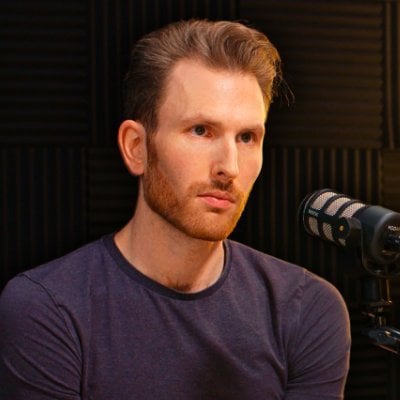
Robert Miles
x.com/robertskmilesAI safety educator who explains on YouTube why advanced AI may not share human goals and who calls for enforceable limits on frontier AI development.
AI จะเปลี่ยนแปลงโลกอย่างไร?
แนวนอน: มุมมอง Doom–Bloom ที่บุคคลนั้นแสดงออก แนวตั้ง: ระดับของการเปลี่ยนแปลง
Doom–Bloom: 18 จาก 100 ระดับของการเปลี่ยนแปลง: 87 จาก 100 ช่วงการตีความ: แนวนอนตั้งแต่ 13 ถึง 25 แนวตั้งตั้งแต่ 82 ถึง 100 ค่าเหล่านี้เป็นพิกัดสำหรับการตีความ ไม่ใช่ความน่าจะเป็นของเหตุการณ์
10–90%
“any number in the 10 to 90% range is plausibly defensible”
Unspecified AI “doom” as asked on Doom Debates (AI existential catastrophe); he does not define the endpoint
Rob Miles, Top AI Safety Educator: Humanity Isn’t Ready for Superintelligence! · ส.ค. 2568
ข้อสันนิษฐานหลัก
For a capable goal-directed system, gaining resources, improving its abilities, and avoiding shutdown can be useful for achieving many different goals.คำตอบ 1
หากข้อสันนิษฐานนี้ปรากฏว่าเป็นไปอีกแบบ มุมมองของบุคคลนั้นจะเปลี่ยนไปอย่างไร?
สิ่งที่อาจเปลี่ยนความคิดของบุคคลนั้น
The biggest change would be a genuine alignment breakthrough: a method giving strong reason to expect that increasingly capable systems robustly pursue intended human-compatible goals, including in unfamiliar situations and when they could evade oversight.คำตอบ 2
หลักฐานแบบใดจึงจะเพียงพอ และจะทำให้มุมมองของบุคคลนั้นเปลี่ยนไปในทิศทางใด?
รายละเอียดเพิ่มเติม
ยังมีการตีความที่เป็นไปได้หลายแบบ ได้แก่ อันตรายร้ายแรงหรือแพร่หลายในวงกว้างเป็นส่วนสำคัญที่คาดว่าจะเกิดขึ้นในอนาคต / ความสูญเสียระดับหายนะหรือไม่อาจย้อนคืนได้เป็นแก่นสำคัญของอนาคตที่คาดไว้
83 / 100
ช่วงการตีความตั้งแต่ 67 ถึง 100 บนมาตรวัดเชิงคุณภาพ
การเลือกของมนุษย์สามารถเปลี่ยนทิศทางวิถีของ AI ได้อย่างมาก
77 / 100
ช่วงการตีความตั้งแต่ 50 ถึง 100 บนมาตรวัดเชิงคุณภาพ
ตำแหน่งจำลอง: หยุดหรือชะลอการพัฒนา AI ที่มีความสามารถสูงขึ้นอย่างมาก
เดินหน้าพัฒนาต่อภายใต้มาตรการป้องกันที่ระบุไว้
เร่งการพัฒนา AI ที่มีความสามารถสูงขึ้น
การตีความเหล่านี้ยังคงเงื่อนไขที่บุคคลนั้นระบุไว้ ทั้งประโยชน์และอันตรายอาจมีมากได้ ช่วงต่างๆ อธิบายวิธีที่เราอ่านคำตอบจำลองของบุคคลนั้น ไม่ใช่ช่วงความเชื่อมั่นทางสถิติ
โลกทัศน์ที่คล้ายกัน
ผู้นำทางความคิดที่มีโลกทัศน์จำลองใกล้เคียงกับโลกทัศน์ของ Robert Miles มากที่สุด
แบบประเมินจำลอง
แหล่งข้อมูล
บทความ บทสัมภาษณ์ และงานเขียนที่ใช้เป็นหลักฐานรองรับผู้ใช้จำลองรายนี้
Speaker-attributed interview: Miles calls doom his mainline prediction, while allowing alignment breakthroughs and being fundamentally mistaken in a lucky direction. This is dated pessimism with uncertainty, not an exact probability or a 2050 forecast.

Author’s introductory safety talk; accessible primary video metadata establishes topic and authorship, not a fresh quantitative forecast.

Miles’s own answers at 21:58–30:50 allow a broad 10–90% risk range, with uncertainty dominated by societal response. At 1:45:46–1:48 he supports pausing AGI/superintelligence development, particularly AI-research agents, while welcoming useful narrow AI. The host’s numerical framing is not his estimate.

Explains why effectiveness at pursuing goals does not entail human-compatible goals: understanding morality is different from wanting to act morally. Foundational argument about possible agents, not a measured claim about every current model.

Given sufficiently capable goal-directed agents, many goals incentivize resources, self-improvement and resistance to shutdown or goal changes. These are instrumental pressures, not human malice; the argument preserves exceptions and depends on agentic competence.

Advocates deployment obligations and control protocols as interim safeguards, not an alignment solution or assurance for superintelligence. Benchmark attack success is not real-world extinction probability.

จุดยืนของคุณอยู่ตรงไหน?
ทำแผนที่โลกทัศน์ของฉัน