Cody Blakeney

Cody Blakeney

x.com/code_star

Machine learning researcher who works on training data and fine-tuning and argues for self-hosted models and careful security as AI agents spread.

AI จะเปลี่ยนแปลงโลกอย่างไร?

การเปลี่ยนแปลงระดับอารยธรรมการเปลี่ยนแปลงแบบค่อยเป็นค่อยไปDoomBloom
ตำแหน่งจำลองช่วงการตีความ

แนวนอน: มุมมอง Doom–Bloom ที่บุคคลนั้นแสดงออก แนวตั้ง: ระดับของการเปลี่ยนแปลง

Doom–Bloom: 68 จาก 100 ระดับของการเปลี่ยนแปลง: 35 จาก 100 ช่วงการตีความ: แนวนอนตั้งแต่ 62 ถึง 75 แนวตั้งตั้งแต่ 0 ถึง 53 ค่าเหล่านี้เป็นพิกัดสำหรับการตีความ ไม่ใช่ความน่าจะเป็นของเหตุการณ์

P(doom) ของ Cody Blakeney · อนุมาน

≈3%

0%100%

อนุมานจากคำตอบจำลองของบุคคลนั้น ไม่ใช่ตัวเลขที่บุคคลนั้นระบุ ช่วงที่เป็นไปได้: 1–9%

สิ่งที่มุมมองของบุคคลนั้นขึ้นอยู่กับ

ข้อสันนิษฐานหลัก

But the outcome depends less on raw model capability than on deployment quality: who controls access, what permissions agents receive, how outputs are evaluated, and whether generated changes remain maintainable and reversible.
คำตอบ 2

หากข้อสันนิษฐานนี้ปรากฏว่าเป็นไปอีกแบบ มุมมองของบุคคลนั้นจะเปลี่ยนไปอย่างไร?

คำถามที่ยังไม่มีข้อสรุป

Current automation is meaningful, but by itself it does not establish a particular AGI timeline.
คำตอบ 1

อะไรจะช่วยให้บุคคลนั้นแยกแยะผลลัพธ์ที่เป็นไปได้ในเรื่องนี้?

สิ่งที่อาจเปลี่ยนความคิดของบุคคลนั้น

The biggest change would come from strong empirical evidence that AI systems remain reliable under broad, real-world autonomy—especially when given persistent access to critical tools and data—or, conversely, that they fail in systematic ways that ordinary permission controls and human review cannot contain.
คำตอบ 3

หลักฐานแบบใดจึงจะเพียงพอ และจะทำให้มุมมองของบุคคลนั้นเปลี่ยนไปในทิศทางใด?

รายละเอียดเพิ่มเติม

ผลดีที่คาดไว้

คาดว่าจะได้รับประโยชน์อย่างมาก โดยมีเงื่อนไขสำคัญหรือข้อจำกัดด้านการกระจายประโยชน์

65 / 100

ผลกระทบน้อยผลกระทบที่ก่อให้เกิดการเปลี่ยนแปลงอย่างมาก

ช่วงการตีความตั้งแต่ 67 ถึง 67 บนมาตรวัดเชิงคุณภาพ

อันตรายที่คาดไว้

คาดว่าจะเกิดอันตรายที่จัดการได้หรือจำกัดอยู่เฉพาะพื้นที่

39 / 100

ผลกระทบน้อยผลกระทบที่ก่อให้เกิดการเปลี่ยนแปลงอย่างมาก

ช่วงการตีความตั้งแต่ 33 ถึง 67 บนมาตรวัดเชิงคุณภาพ

อิทธิพลของมนุษย์

การเลือกของมนุษย์มีอิทธิพลอย่างมีนัยสำคัญ แต่ถูกจำกัดอย่างมาก

62 / 100

อิทธิพลน้อยอิทธิพลมาก

ช่วงการตีความตั้งแต่ 49 ถึง 76 บนมาตรวัดเชิงคุณภาพ

กฎการใช้ AI

จำกัดการใช้ AI ที่กล่าวถึงจนกว่าจะมีมาตรการป้องกันหรือการอนุญาตล่วงหน้า

ตำแหน่งจำลอง: อนุญาตการใช้ AI ที่กล่าวถึง โดยมีความรับผิดรับชอบและมาตรการป้องกันที่มุ่งเป้าเฉพาะด้าน

ลดข้อจำกัดในการใช้ AI ที่กล่าวถึงให้น้อยที่สุด

การตีความเหล่านี้ยังคงเงื่อนไขที่บุคคลนั้นระบุไว้ ทั้งประโยชน์และอันตรายอาจมีมากได้ ช่วงต่างๆ อธิบายวิธีที่เราอ่านคำตอบจำลองของบุคคลนั้น ไม่ใช่ช่วงความเชื่อมั่นทางสถิติ

จุดยืนของคุณอยู่ตรงไหนเมื่อเทียบกับ Cody Blakeney?
ทำแผนที่โลกทัศน์เกี่ยวกับ AI ของคุณเองในประมาณ 3 นาที แล้วจึงเปรียบเทียบ

โลกทัศน์ที่คล้ายกัน

ผู้นำทางความคิดที่มีโลกทัศน์จำลองใกล้เคียงกับโลกทัศน์ของ Cody Blakeney มากที่สุด

แบบประเมินจำลอง

คำถาม 1

คุณคิดว่า AI มีความหมายอย่างไรต่ออนาคตของเรา และเพราะเหตุใด?

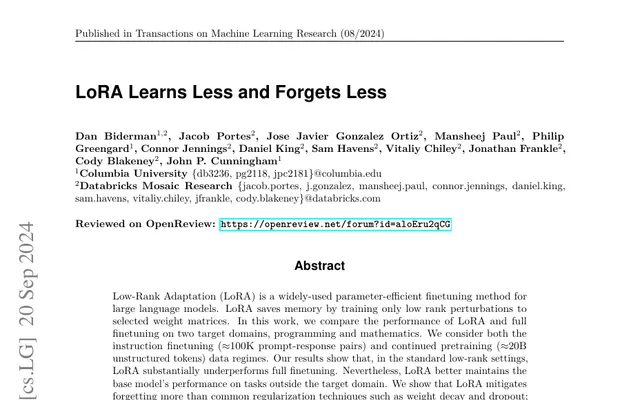
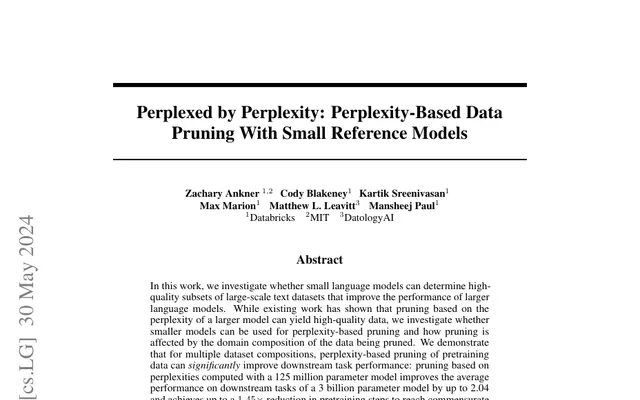
I think AI will make skilled people much more productive by automating routine but valuable work. The important qualifier is that experience still determines what should be delegated, how outputs should be evaluated, and when an apparently successful result is actually wrong. Faster code generation, for example, does not make engineering fundamentals obsolete. It raises the value of maintainable systems and small, coherent, reversible changes because mistakes can now be produced and propagated faster. The effects will also depend heavily on infrastructure and access decisions. An agent connected to Slack, Google, GitHub, or other critical systems inherits a large attack surface. Human permission choices, compromised accounts, and social engineering may matter as much as model behavior. I therefore expect many practical risks to arise not from an abstractly autonomous model, but from ordinary systems being given broad credentials without adequate controls. Finally, the future should not depend on one model or provider. Self-hosted models can reduce exposure to provider outages and interception, while provider diversity limits single points of failure. Progress will also depend on careful empirical work: improving data quality, understanding tradeoffs between adaptation methods such as LoRA and full fine-tuning, and evaluating models within the actual scope of the task. Current automation is meaningful, but by itself it does not establish a particular AGI timeline.

คำถาม 2

Taking benefits and harms together, what overall impact do you expect AI to have?

Overall, I expect AI to have a positive impact, mainly by making experienced practitioners more productive and automating routine, high-leverage work. But the outcome depends less on raw model capability than on deployment quality: who controls access, what permissions agents receive, how outputs are evaluated, and whether generated changes remain maintainable and reversible. The main practical harms I expect are amplified mistakes, insecure integrations, social engineering, compromised credentials, and infrastructure concentration. Agents connected to critical systems can turn an ordinary human access failure into a much larger incident. Likewise, dependence on a small number of providers creates common points of outage or interception. So I do not see the impact as automatically beneficial. It becomes positive when organizations preserve human judgment, use careful evaluation, limit permissions, maintain provider and deployment diversity, and keep sound engineering practices even as production accelerates.

คำถาม 3

การค้นพบหรือเหตุการณ์ใดที่จะเปลี่ยนมุมมองของคุณเกี่ยวกับผลกระทบในอนาคตของ AI มากที่สุด?

The biggest change would come from strong empirical evidence that AI systems remain reliable under broad, real-world autonomy—especially when given persistent access to critical tools and data—or, conversely, that they fail in systematic ways that ordinary permission controls and human review cannot contain. I would care less about a single benchmark or impressive demonstration than repeated results across realistic deployments. Can agents handle long-running tasks, adversarial inputs, ambiguous instructions, compromised accounts, and changing environments without creating unacceptable failures? Can operators audit and reverse their actions? Do benefits survive careful comparisons rather than cherry-picked examples? I would also update substantially if provider concentration became unavoidable, or if self-hosted and diverse model ecosystems proved practical at scale. Those outcomes would change the balance between productivity gains and systemic risks. Current task automation alone would not be enough to settle that broader question.

แหล่งข้อมูล

บทความ บทสัมภาษณ์ และงานเขียนที่ใช้เป็นหลักฐานรองรับผู้ใช้จำลองรายนี้

จุดยืนของคุณอยู่ตรงไหน?
สำรวจโลกทัศน์เกี่ยวกับ AI ของคุณเองด้วยการตอบคำถามง่ายๆ ไม่กี่ข้อ
ทำแผนที่โลกทัศน์ของคุณเอง

จุดยืนของคุณอยู่ตรงไหน?

ทำแผนที่โลกทัศน์ของฉัน