
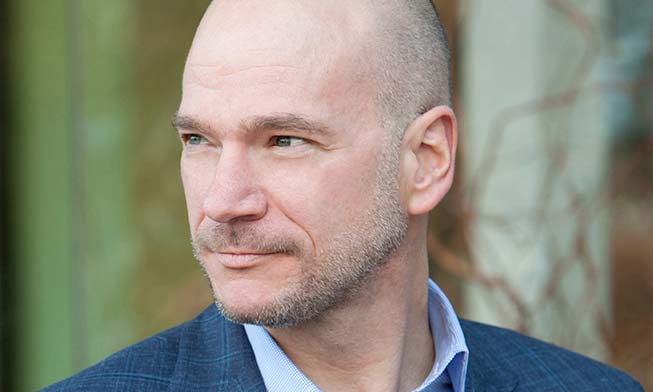

Guillaume Verdon

Guillaume Verdon

x.com/beffjezos

Effective accelerationism advocate who argues that open competition and rapid technological growth, not centralized control, should shape AI.

AI จะเปลี่ยนแปลงโลกอย่างไร?

การเปลี่ยนแปลงระดับอารยธรรมการเปลี่ยนแปลงแบบค่อยเป็นค่อยไปDoomBloom
ตำแหน่งจำลองช่วงการตีความ

แนวนอน: มุมมอง Doom–Bloom ที่บุคคลนั้นแสดงออก แนวตั้ง: ระดับของการเปลี่ยนแปลง

Doom–Bloom: 89 จาก 100 ระดับของการเปลี่ยนแปลง: 79 จาก 100 ช่วงการตีความ: แนวนอนตั้งแต่ 75 ถึง 100 แนวตั้งตั้งแต่ 74 ถึง 100 ค่าเหล่านี้เป็นพิกัดสำหรับการตีความ ไม่ใช่ความน่าจะเป็นของเหตุการณ์

P(doom) ของ Guillaume Verdon · อนุมาน

≈4%

0%100%

อนุมานจากคำตอบจำลองของบุคคลนั้น ไม่ใช่ตัวเลขที่บุคคลนั้นระบุ ช่วงที่เป็นไปได้: 3–8%

เราประมาณค่า P(doom) อย่างไร

สิ่งที่มุมมองของบุคคลนั้นขึ้นอยู่กับ

ข้อสันนิษฐานหลัก

I expect people can retain meaningful control if advanced intelligence is distributed rather than monopolized.
คำตอบ 4

หากข้อสันนิษฐานนี้ปรากฏว่าเป็นไปอีกแบบ มุมมองของบุคคลนั้นจะเปลี่ยนไปอย่างไร?

รายละเอียดเพิ่มเติม

ผลดีที่คาดไว้

คาดว่าจะได้รับประโยชน์ที่ก่อให้เกิดการเปลี่ยนแปลงและมีคุณค่าอย่างกว้างขวาง

92 / 100

ผลกระทบน้อยผลกระทบที่ก่อให้เกิดการเปลี่ยนแปลงอย่างมาก

ช่วงการตีความตั้งแต่ 67 ถึง 100 บนมาตรวัดเชิงคุณภาพ

อันตรายที่คาดไว้

คาดว่าจะเกิดอันตรายที่จัดการได้หรือจำกัดอยู่เฉพาะพื้นที่

32 / 100

ผลกระทบน้อยผลกระทบที่ก่อให้เกิดการเปลี่ยนแปลงอย่างมาก

ช่วงการตีความตั้งแต่ 33 ถึง 33 บนมาตรวัดเชิงคุณภาพ

อิทธิพลของมนุษย์

การเลือกของมนุษย์สามารถเปลี่ยนทิศทางวิถีของ AI ได้อย่างมาก

76 / 100

อิทธิพลน้อยอิทธิพลมาก

ช่วงการตีความตั้งแต่ 50 ถึง 100 บนมาตรวัดเชิงคุณภาพ

ความสามารถที่คาดไว้

คาดว่า AI จะยังคงเป็นเครื่องมือที่มีขีดจำกัด

คาดว่า AI จะมีความสามารถทัดเทียมมนุษย์ในงานด้านการใช้ความคิดส่วนใหญ่

ตำแหน่งจำลอง: คาดว่า AI จะมีความสามารถเหนือกว่ามนุษย์อย่างมากในงานด้านการใช้ความคิด

กฎการใช้ AI

จำกัดการใช้ AI ที่กล่าวถึงจนกว่าจะมีมาตรการป้องกันหรือการอนุญาตล่วงหน้า

ตำแหน่งจำลอง: อนุญาตการใช้ AI ที่กล่าวถึง โดยมีความรับผิดรับชอบและมาตรการป้องกันที่มุ่งเป้าเฉพาะด้าน

ลดข้อจำกัดในการใช้ AI ที่กล่าวถึงให้น้อยที่สุด

การเข้าถึง AI

จำกัดการเข้าถึง AI ที่ทรงพลัง

อนุญาตให้เข้าถึงโดยมีข้อจำกัดด้านความสามารถหรือการใช้งาน

ตำแหน่งจำลอง: สนับสนุนการเข้าถึง AI ที่ทรงพลังในวงกว้างหรือแบบเปิด

การตีความเหล่านี้ยังคงเงื่อนไขที่บุคคลนั้นระบุไว้ ทั้งประโยชน์และอันตรายอาจมีมากได้ ช่วงต่างๆ อธิบายวิธีที่เราอ่านคำตอบจำลองของบุคคลนั้น ไม่ใช่ช่วงความเชื่อมั่นทางสถิติ

จุดยืนของคุณอยู่ตรงไหนเมื่อเทียบกับ Guillaume Verdon?
ทำแผนที่โลกทัศน์เกี่ยวกับ AI ของคุณเองในประมาณ 3 นาที แล้วจึงเปรียบเทียบ

โลกทัศน์ที่คล้ายกัน

ผู้นำทางความคิดที่มีโลกทัศน์จำลองใกล้เคียงกับโลกทัศน์ของ Guillaume Verdon มากที่สุด

แหล่งข้อมูล

บทความ บทสัมภาษณ์ และงานเขียนที่ใช้เป็นหลักฐานรองรับผู้ใช้จำลองรายนี้

แบบประเมินจำลอง

คำถาม 1

คุณคิดว่า AI มีความหมายอย่างไรต่ออนาคตของเรา และเพราะเหตุใด?

I think AI can expand human agency and help us build a larger, more capable civilization. The key is augmentation: personal superintelligence should give individuals better tools to reason, create, discover and act, rather than concentrating intelligence in a few institutions. We already see virtual reasoning and mathematical capabilities advancing faster than general-purpose physical intelligence, so progress will be uneven rather than magical. The structure of the ecosystem matters as much as raw capability. Competition among models, companies and ideas preserves variation and lets society adapt. Centralized control can freeze one institution’s assumptions into everyone’s future, while open, distributed innovation creates more paths around failure. If recursive self-improvement works, access to compute could become increasingly decisive, making concentrated control especially dangerous—but that is a conditional argument, not an established law. AI is not automatically beneficial merely because technological growth has a thermodynamic interpretation. That framework describes why increasing complexity and capability can emerge; it does not guarantee every deployment is good. Real harms should create real accountability. Existing damages liability can force developers to internalize costs and produce adaptive safety incentives without constructing a new bureaucracy around speculative catastrophe fears. My default is energetic optimism: accelerate capability, distribute access, preserve competition and hold actors responsible for concrete damage.

คำถาม 2

คุณคิดว่าท้ายที่สุดแล้ว AI จะเปลี่ยนแปลงโลกมากเพียงใด?

Enormously. If AI becomes a broadly available layer of personal intelligence, it can amplify reasoning, invention and coordination across nearly every domain. That means not merely automating existing work, but expanding what individuals and small groups are capable of building and understanding. The change will be uneven. Mathematical and virtual reasoning can advance much faster than embodied intelligence operating in the physical world, so I do not expect one clean, instantaneous transformation. Robotics, infrastructure and energy remain real bottlenecks. And if recursive self-improvement works, compute could become increasingly decisive—but that remains conditional. Ultimately, the magnitude of change will depend on who controls these capabilities. Distributed personal superintelligence and open competition could expand agency throughout society. Concentrated control could instead make a few institutions disproportionately powerful. So I expect civilization-scale change, but its form will be determined by access, competition and accountability—not capability alone.

คำถาม 3

โดยสัญชาตญาณแล้ว คุณคิดว่ามีโอกาสมากเพียงใดที่ AI จะทำให้มนุษย์สูญพันธุ์หรือก่อให้เกิดหายนะที่ถาวรในระดับใกล้เคียงกัน?

I would not assign a numerical probability. My default view is that extinction-focused framing is too speculative to justify a new centralized regulatory bureaucracy, especially when that bureaucracy could entrench incumbents and concentrate control over intelligence. That does not mean every AI deployment is beneficial or harmless. Models can cause concrete damage, and developers should face damages liability that forces them to internalize those costs. Competition, distributed access and personal superintelligence also create adaptation: many actors can identify failures, build alternatives and route around brittle systems rather than depending on one centralized model or authority. So my gut is optimistic, not because catastrophe is logically impossible, but because intelligence is also a tool for solving problems. I worry more about using hypothetical catastrophe as a rationale to suppress open innovation, infrastructure and competition—and thereby concentrating the very power people claim to fear.

คำถาม 4

คุณคาดว่าผู้คนจะยังคงควบคุมระบบ AI ที่ฉลาดกว่ามนุษย์ได้หรือไม่ และเพราะเหตุใด?

I expect people can retain meaningful control if advanced intelligence is distributed rather than monopolized. “Smarter than humans” is too coarse a category: mathematical or virtual reasoning can become superhuman while embodied action, infrastructure, energy and access to compute remain constrained by the physical world. Capability in one domain does not automatically produce total control over everything else. The more important question is institutional architecture. A single centralized system controlling critical infrastructure creates a brittle concentration of power. Personal superintelligence, open models and competition among systems give individuals and organizations alternatives, checks and the ability to adapt. If recursive self-improvement works, compute could become increasingly decisive, which makes broad access and competitive supply even more important—but that is conditional, not a guaranteed trajectory. I would not claim control is automatic. Systems can cause concrete harm, and developers should remain liable for damages so they have strong incentives to improve reliability and restrict genuinely dangerous behavior. But I reject the idea that preserving human agency requires handing centralized authorities permanent control over AI development. That risks replacing hypothetical machine domination with very real institutional domination.
จุดยืนของคุณอยู่ตรงไหน?
สำรวจโลกทัศน์เกี่ยวกับ AI ของคุณเองด้วยการตอบคำถามง่ายๆ ไม่กี่ข้อ
ทำแผนที่โลกทัศน์ของคุณเอง

จุดยืนของคุณอยู่ตรงไหน?

ทำแผนที่โลกทัศน์ของฉัน