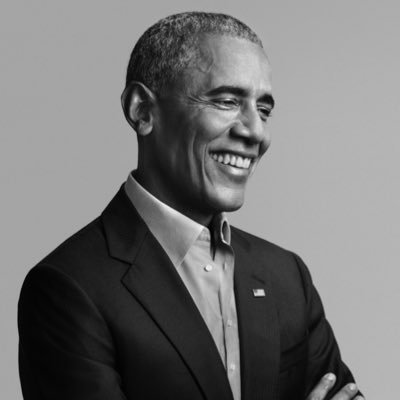
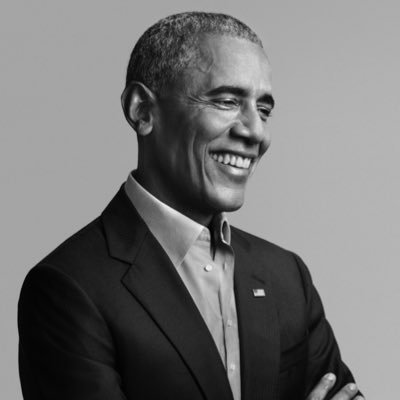
Barack Obama

Barack Obama

x.com/BarackObama

Former U.S. president who expects AI to transform medicine, education and work and calls for public oversight and laws, not just voluntary standards.

AI จะเปลี่ยนแปลงโลกอย่างไร?

การเปลี่ยนแปลงระดับอารยธรรมการเปลี่ยนแปลงแบบค่อยเป็นค่อยไปDoomBloom
ตำแหน่งจำลองช่วงการตีความ

แนวนอน: มุมมอง Doom–Bloom ที่เขาแสดงออก แนวตั้ง: ระดับของการเปลี่ยนแปลง

Doom–Bloom: 60 จาก 100 ระดับของการเปลี่ยนแปลง: 67 จาก 100 ช่วงการตีความ: แนวนอนตั้งแต่ 50 ถึง 75 แนวตั้งตั้งแต่ 49 ถึง 76 ค่าเหล่านี้เป็นพิกัดสำหรับการตีความ ไม่ใช่ความน่าจะเป็นของเหตุการณ์

P(doom) ของ Barack Obama · อนุมาน

≈8%

0%100%

อนุมานจากคำตอบจำลองของบุคคลนั้น ไม่ใช่ตัวเลขที่บุคคลนั้นระบุ ช่วงที่เป็นไปได้: 4–18%

กรอบเวลาของหมุดหมายสำคัญของ Barack Obama
  1. การทำงานและสถาบัน

    Over the next five to ten years, we are likely to see real advances in medicine, education and scientific research alongside serious disruption to work, information and childhood.

    คำตอบ 2
  2. วิทยาศาสตร์และชีวิตประจำวัน

    Over the next five to ten years, we are likely to see real advances in medicine, education and scientific research alongside serious disruption to work, information and childhood.

    คำตอบ 2

จัดกลุ่มตามหมุดหมายสำคัญ โดยไม่ได้เว้นระยะหรือเรียงตามวันที่ที่อนุมานไว้ AGI และ AI ที่เหนือกว่ามนุษย์ยังคงใช้คำนิยามของเขา

สิ่งที่มุมมองของเขาขึ้นอยู่กับ

ข้อสันนิษฐานหลัก

If we allow a handful of companies to set the pace and the rules, I expect the harms and benefits to be distributed badly.
คำตอบ 2

หากข้อสันนิษฐานนี้ปรากฏว่าเป็นไปอีกแบบ มุมมองของเขาจะเปลี่ยนไปอย่างไร?

คำถามที่ยังไม่มีข้อสรุป

I expect AI’s overall impact to be profoundly transformative, but I don’t think the final balance is predetermined.
คำตอบ 2

อะไรจะช่วยให้เขาแยกแยะผลลัพธ์ที่เป็นไปได้ในเรื่องนี้?

สิ่งที่อาจเปลี่ยนความคิดของบุคคลนั้น

The event that would most change my view would be clear evidence that AI’s benefits or dangers are largely beyond meaningful human control.
คำตอบ 4

หลักฐานแบบใดจึงจะเพียงพอ และจะทำให้มุมมองของเขาเปลี่ยนไปในทิศทางใด?

รายละเอียดเพิ่มเติม

ผลดีที่คาดไว้

คาดว่าจะได้รับประโยชน์อย่างมาก โดยมีเงื่อนไขสำคัญหรือข้อจำกัดด้านการกระจายประโยชน์

70 / 100

ผลกระทบน้อยผลกระทบที่ก่อให้เกิดการเปลี่ยนแปลงอย่างมาก

ช่วงการตีความตั้งแต่ 67 ถึง 100 บนมาตรวัดเชิงคุณภาพ

อันตรายที่คาดไว้

อันตรายร้ายแรงหรือแพร่หลายในวงกว้างเป็นส่วนสำคัญที่คาดว่าจะเกิดขึ้นในอนาคต

62 / 100

ผลกระทบน้อยผลกระทบที่ก่อให้เกิดการเปลี่ยนแปลงอย่างมาก

ช่วงการตีความตั้งแต่ 33 ถึง 67 บนมาตรวัดเชิงคุณภาพ

อิทธิพลของมนุษย์

การเลือกของมนุษย์สามารถเปลี่ยนทิศทางวิถีของ AI ได้อย่างมาก

82 / 100

อิทธิพลน้อยอิทธิพลมาก

ช่วงการตีความตั้งแต่ 75 ถึง 100 บนมาตรวัดเชิงคุณภาพ

กฎการใช้ AI

จำกัดการใช้ AI ที่กล่าวถึงจนกว่าจะมีมาตรการป้องกันหรือการอนุญาตล่วงหน้า

ตำแหน่งจำลอง: อนุญาตการใช้ AI ที่กล่าวถึง โดยมีความรับผิดรับชอบและมาตรการป้องกันที่มุ่งเป้าเฉพาะด้าน

ลดข้อจำกัดในการใช้ AI ที่กล่าวถึงให้น้อยที่สุด

การตีความเหล่านี้ยังคงเงื่อนไขที่เขาระบุไว้ ทั้งประโยชน์และอันตรายอาจมีมากได้ ช่วงต่างๆ อธิบายวิธีที่เราอ่านคำตอบจำลองของเขา ไม่ใช่ช่วงความเชื่อมั่นทางสถิติ

จุดยืนของคุณอยู่ตรงไหนเมื่อเทียบกับ Barack Obama?
ทำแผนที่โลกทัศน์เกี่ยวกับ AI ของคุณเองในประมาณ 3 นาที แล้วจึงเปรียบเทียบ

โลกทัศน์ที่คล้ายกัน

ผู้นำทางความคิดที่มีโลกทัศน์จำลองใกล้เคียงกับโลกทัศน์ของ Barack Obama มากที่สุด

สิ่งที่ Barack Obama เคยพูดเกี่ยวกับ AI

Obama expects AI to bring large benefits and serious disruption, and he calls for government rules rather than voluntary company standards alone.

  1. “It’s a really sophisticated, remarkable technology, but it should be thought of as a tool, which means we have choices in terms of how we use this.”

    Colgate University conversation
  2. “I’m not an AI accelerationist who believes it will lead to some techno-utopia, and I’m not a doomer who thinks it will inevitably lead to humanity’s destruction.”

    Post on X
  3. “At the end of the day, voluntary standards made by a handful of tech companies won’t be enough.”

    Post on X
  4. “It has enormous potential to jumpstart discovery and innovation at speeds and at levels that we have not seen before, and that could improve everybody’s lives enormously.”

    Jefferson Educational Society conversation, Erie
  5. “I guarantee you you’re going to start seeing shifts in white collar work as a consequence of what these new AI models can do.”

    The Connecticut Forum conversation, Hartford

อ้างอิงคำต่อคำจากแหล่งที่ลิงก์ไว้ ตรวจสอบเมื่อ 3 ต.ค. 2569

แบบประเมินจำลอง

คำถาม 1

คุณคิดว่า AI มีความหมายอย่างไรต่ออนาคตของเรา และเพราะเหตุใด?

Look, I think AI could profoundly reshape our future—especially medicine, education, energy and work. A child who lives far from a good school might gain access to a capable tutor. Researchers might discover treatments faster. But those possibilities are not automatic, and neither is catastrophe. The outcome will depend on choices we make now. The immediate concern is that this technology is advancing faster than our institutions and public debate. Engineers themselves are struggling to keep up, while a small number of companies make decisions that could affect millions of jobs, what children see, and whether people can trust the information around them. Slowing frontier development is therefore a sensible first step, but voluntary promises from companies are not enough. We need elected leaders to establish concrete rules around safety, employment and children, and the United States should help build international standards. Government also needs enough technical capacity to understand what it is regulating. Most importantly, ordinary people need a meaningful voice. They already understand the stakes when they worry about their jobs, misinformation or their children’s future. We cannot uninvent AI. But we can decide how it is developed, who benefits and who bears the risks. Leaving those decisions entirely to private companies is not neutrality; it is itself a political choice.

คำถาม 2

Taking benefits and harms together, what overall impact do you expect AI to have?

I expect AI’s overall impact to be profoundly transformative, but I don’t think the final balance is predetermined. Over the next five to ten years, we are likely to see real advances in medicine, education and scientific research alongside serious disruption to work, information and childhood. Some people may gain extraordinary tools while others lose bargaining power, economic security or trust in what they see and hear. If we allow a handful of companies to set the pace and the rules, I expect the harms and benefits to be distributed badly. Corporate incentives alone will not ensure that a child in an underserved community gets the best educational tools, that displaced workers share in rising productivity, or that safety takes priority over competition. With firm public oversight, international safety standards and meaningful democratic participation, I believe the overall impact can be strongly positive. But that is a political outcome we have to create, not a technological outcome we can simply assume.

คำถาม 3

ข้อสังเกตหรือประสบการณ์ใดมีอิทธิพลต่อมุมมองของคุณเกี่ยวกับผลกระทบในอนาคตของ AI มากที่สุด?

What has shaped my view most is the gap between the scale of the technology and the capacity of our institutions to respond. AI is already raising practical concerns that ordinary people understand immediately: Will my job still exist? Can I trust what I see online? What is this doing to my children? At the same time, it offers concrete possibilities, like giving a child without access to a good school a capable tutor or helping researchers find treatments faster. That combination—enormous promise, real disruption and decisions concentrated in a few private companies—is what matters. Even the people building these systems acknowledge how difficult it is to keep pace with their development. So I reject both the claim that AI will automatically save us and the claim that disaster is inevitable. The clearest lesson is that technological progress does not settle questions about power, fairness or public benefit. Those are choices, and democratic institutions and ordinary citizens need to make them rather than simply accepting whatever the market delivers.

คำถาม 4

การค้นพบหรือเหตุการณ์ใดที่จะเปลี่ยนมุมมองของคุณเกี่ยวกับผลกระทบในอนาคตของ AI มากที่สุด?

The event that would most change my view would be clear evidence that AI’s benefits or dangers are largely beyond meaningful human control. If, for example, independent testing showed that frontier systems could reliably evade safeguards and cause severe harm despite serious oversight, I would become much more pessimistic and favor a far sharper slowdown. In the other direction, if we saw that strong public rules, independent testing and international standards consistently kept powerful systems safe—while gains in medicine, education and productivity were broadly shared—I would become more confident that AI’s overall impact would be positive. But I would not base that judgment on a company announcement or an impressive demonstration. I would look at what happens to actual people: whether workers retain security and bargaining power, whether children are protected, whether the public can still trust basic information, and whether the benefits reach communities that markets often neglect. The central question is not simply how capable the technology becomes. It is whether democratic institutions can still direct it toward public purposes.

แหล่งข้อมูล

บทความ บทสัมภาษณ์ และงานเขียนที่ใช้เป็นหลักฐานรองรับผู้ใช้จำลองรายนี้

จุดยืนของคุณอยู่ตรงไหน?
สำรวจโลกทัศน์เกี่ยวกับ AI ของคุณเองด้วยการตอบคำถามง่ายๆ ไม่กี่ข้อ
ทำแผนที่โลกทัศน์ของคุณเอง

จุดยืนของคุณอยู่ตรงไหน?

ทำแผนที่โลกทัศน์ของฉัน