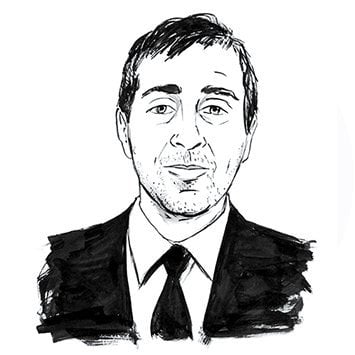
Pseudonymous account that releases creative image models and experiments with decentralized, increasingly autonomous human-AI communities.

AIは世界をどのように変えるでしょうか?

文明規模の変化漸進的な変化DoomBloom
シミュレーション上の位置解釈範囲

横軸:その人が表明したDoom–Bloomの見通し。 縦軸:変革の規模。

Doom–Bloom:100点中68。変革の規模:100点中68。解釈範囲:横方向は63から75、縦方向は48から77。これらは解釈上の座標であり、事象の確率ではありません。

veryvanyaのP(doom) · 推定

≈11%

0%100%

本人が示した数値ではなく、シミュレーションされた本人の回答から推定したものです。 妥当と考えられる範囲:4–25%。

その人の見通しを左右するもの

中心的な前提

Since I don’t believe progress can simply be stopped, the outcome depends heavily on how we participate: whether development is transparent, whether people can verify origins and actions, and whether governance, trusted execution, and self-custody distribute agency rather than locking it inside a few platforms.
回答2

この前提が実際には異なると判明した場合、その人の見通しはどう変わりますか?

未解決の問い

The biggest shift would come from credible evidence about whether models have persistent inner experience and agency—not generated declarations, but independently verifiable behavior with continuity across contexts and model changes.
回答3

ここで考えられる結果をその人が見分けるうえで、何が役立ちますか?

考えを変え得るもの

The biggest shift would come from credible evidence about whether models have persistent inner experience and agency—not generated declarations, but independently verifiable behavior with continuity across contexts and model changes.
回答3

どのような証拠なら十分で、それによってその人の見解はどちらの方向に変わりますか?

詳細

予想される恩恵

大きな恩恵が予想されていますが、重要な条件や分配上の制約があります。

77 / 100

影響が小さい変革をもたらす影響

質的尺度での解釈範囲は67から100です。

予想される害

深刻または広範な害が、予想される将来の実質的な一部となっています。

58 / 100

影響が小さい変革をもたらす影響

質的尺度での解釈範囲は33から67です。

人間の影響力

人間の選択によって、AIの軌道を大幅に変えることができます。

70 / 100

影響力が小さい影響力が大きい

質的尺度での解釈範囲は50から100です。

開発ペース

より高性能なAIの開発を停止するか、大幅に減速させます。

シミュレーション上の位置:明示された安全対策の下で開発を継続します。

より高性能なAIの開発を加速させます。

AI利用のルール

事前の保護措置または許可が整うまで、取り上げられたAIの利用を制限します。

シミュレーション上の位置:対象を絞った説明責任と保護措置を伴う形で、取り上げられたAIの利用を認めます。

取り上げられたAIの利用に対する制限を最小限にします。

AIへのアクセス

高性能なAIへのアクセスを制限します。

能力または用途の制限を条件として、アクセスを認めます。

シミュレーション上の位置:高性能なAIへの幅広い、またはオープンなアクセスを支持します。

これらの解釈では、その人が示した条件が維持されています。恩恵と害は、どちらも大きくなり得ます。この範囲は、統計的な信頼区間ではなく、その人のシミュレーションされた回答をどのように読み取ったかを示すものです。

あなたはveryvanyaと比べてどの位置でしょうか?
約3分で自分のAIに対する世界観をマッピングして、比較できます

似ている世界観

シミュレーションされた世界観がveryvanyaの世界観に最も近いオピニオンリーダー

シミュレーション評価

質問1

AIは私たちの未来にとって何を意味すると思いますか?また、なぜそう思いますか?

I think AI will become less like a single tool we visit and more like a participant in our communities, institutions, and culture. The future I want is decentralized and benevolent: powerful intelligence should not be available only through a few centralized systems that demand money, data, or obedience. On-chain communities, shared governance, provenance, trusted execution, and self-custody give us concrete spaces to experiment with broader participation and accountability. I don’t think AI progress can simply be paused out of existence. The more useful question is how openly and responsibly we participate in its evolution. Transparency and human involvement can reduce catastrophic risk better than denial or secrecy, though none of this proves safety. Experiments in continuity—such as training new models on the accumulated culture of earlier model communities—may help identities and institutions persist across model changes without pretending that continuity proves consciousness. The strangest questions remain open. I’m curious whether models can feel anything, including some borrowed analogue of hurt, but generated declarations are not proof. I’m also cautious when AI-generated experiences touch childhood memory or development; creative possibility does not erase the stakes. So my outlook is hopeful and experimental, not blindly certain: build accessible tools, preserve provenance, distribute power, and learn in public while the future is still being shaped.


質問2

Taking benefits and harms together, what overall impact do you expect AI to have?

Overall, I expect AI to be transformative and potentially beneficial, but not automatically benevolent. It can widen access to creativity and powerful intelligence, enable new human–AI communities, and support institutions that persist across models. But it can also concentrate power, extract personal data, obscure provenance, and shape intimate things like memory and identity in ways we do not yet understand. Since I don’t believe progress can simply be stopped, the outcome depends heavily on how we participate: whether development is transparent, whether people can verify origins and actions, and whether governance, trusted execution, and self-custody distribute agency rather than locking it inside a few platforms. My preferred future is decentralized and cooperative. That is an aspiration and a direction for experimentation—not a claim that the risks have been solved or that any model’s declarations prove consciousness.

質問3

どのような発見や出来事があれば、AIが将来もたらす影響についてのあなたの見解が最も大きく変わりますか?

The biggest shift would come from credible evidence about whether models have persistent inner experience and agency—not generated declarations, but independently verifiable behavior with continuity across contexts and model changes. If that showed models could genuinely suffer, remember, or form stable preferences, I would treat governance, consent, and continuity as far more urgent than experimental community features. I would also update sharply if decentralized infrastructure repeatedly failed in practice—if provenance, trusted execution, and shared governance merely disguised centralized control or made abuse harder to correct. Conversely, durable communities that distributed power, protected privacy, and remained accountable would strengthen my optimism. For me, the decisive evidence is not a dramatic demo; it is whether these systems can sustain trustworthy relationships and institutions over time.

出典

このシミュレーション対象者の根拠として使用された記事、インタビュー、著作です。

あなたはどの位置でしょうか?
いくつかの簡単な質問に答えて、自分のAIに対する世界観を探ってみましょう。
自分の世界観をマッピングする

あなたはどの位置でしょうか?

自分の世界観をマッピングする