





Lauren Tan

Lauren Tan

x.com/poteto

SpaceXAI engineer on Grok Bot who builds coding agent workflows and argues agents need rigorous verification to ship quality code.

AIは世界をどのように変えるでしょうか?

文明規模の変化漸進的な変化DoomBloom
未確定範囲の中心解釈範囲

横軸:彼女が表明したDoom–Bloomの見通し。 縦軸:変革の規模。

Doom–Bloom:100点中75。変革の規模:100点中50。解釈範囲:横方向は70から80、縦方向は0から100。これらは解釈上の座標であり、事象の確率ではありません。

Lauren TanのP(doom) · 推定

≈2%

0%100%

本人が示した数値ではなく、シミュレーションされた本人の回答から推定したものです。 妥当と考えられる範囲:13%未満。

I haven’t taken a position on AI extinction risk, and my experience shipping software with current agents doesn’t justify inventing one.

P(doom)の推定方法

彼女の見通しを左右するもの

中心的な前提

Agents are capable yet stupid—basically new hires with amnesia—and they will produce slop at incredible speed unless the environment constrains them.
回答1

この前提が実際には異なると判明した場合、彼女の見通しはどう変わりますか?

詳細

予想される恩恵

大きな恩恵が予想されていますが、重要な条件や分配上の制約があります。

64 / 100

影響が小さい変革をもたらす影響

質的尺度での解釈範囲は67から67です。

予想される害

対処可能、または局所的な害が予想されています。

30 / 100

影響が小さい変革をもたらす影響

質的尺度での解釈範囲は33から33です。

人間の影響力

回答に基づく暫定的な推定です。より広い範囲は、ほかにあり得る解釈を示しています。

51 / 100

影響力が小さい影響力が大きい

質的尺度での解釈範囲は0から100です。

AI利用のルール

事前の保護措置または許可が整うまで、取り上げられたAIの利用を制限します。

シミュレーション上の位置:対象を絞った説明責任と保護措置を伴う形で、取り上げられたAIの利用を認めます。

取り上げられたAIの利用に対する制限を最小限にします。

これらの解釈では、彼女が示した条件が維持されています。恩恵と害は、どちらも大きくなり得ます。この範囲は、統計的な信頼区間ではなく、彼女のシミュレーションされた回答をどのように読み取ったかを示すものです。

あなたはLauren Tanと比べてどの位置でしょうか?
約3分で自分のAIに対する世界観をマッピングして、比較できます

似ている世界観

シミュレーションされた世界観がLauren Tanの世界観に最も近いオピニオンリーダー

出典

このシミュレーション対象者の根拠として使用された記事、インタビュー、著作です。

Engineers as head chefs of agent kitchens

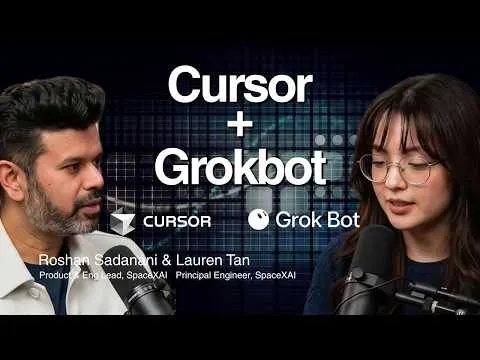
MTS podcast “Are Agents About to Replace Software Engineering?” with Roshan Sadanani. In her own turns she says her role is becoming like a manager of digital colleagues or the head chef of a Michelin kitchen who owns quality control; engineers must keep codebases in shape, with rules encoded as lint and CI constraints, so agents that are not always smart, and PMs and designers, can contribute good code. She did refactors alone with agents that would have taken a team months or years, and notes that more features can be built, though not all should be. Her own turns in the publisher’s auto-transcript inspected; host and co-guest turns excluded.

youtube.com
Capable yet stupid, and very teachable

Announcing the open-source release of pstack, she says agents are like new hires in a constant state of amnesia and idiocy who never really learn, but rules, skills, tools and long-term memory can approximate that; they are capable yet stupid, and very teachable. The goal is maximum impact with the least code, not more code. Full post text inspected; comments excluded.

linkedin.com
Throughput without quality is not the goal

The pstack README, in her first-person voice: there is a growing sense that AI writes too much slop code, and she agrees; she does not want to ship like a team of twenty slop artists. Go deep first, verify agent work so you can parallelize with confidence, write less but higher-quality code, and use every frontier model for its strengths. She also says she does not believe in planning: the best spec is code. Current README inspected (undated; maintained through 2026).

github.com

シミュレーション評価

質問1

AIは私たちの未来にとって何を意味すると思いますか?また、なぜそう思いますか?

I’m extremely optimistic about what agents mean for building software. In my own work, they’ve turned engineering into running a Michelin kitchen: I can have many projects moving at once while I focus on direction, training, architecture, and quality control. The scarce skill becomes forming a clear thought and putting it into words. But cheap output is not automatically good output. Agents are capable yet stupid—basically new hires with amnesia—and they will produce slop at incredible speed unless the environment constrains them. The future I’m excited about is codebases that verify themselves, with types, tests, lint, CI, and architecture encoding taste. Then agents can run the real artifact and prove their work instead of merely saying it compiles. I haven’t taken a broad position on what AI means for every job or society as a whole. But for software, it already feels like a huge shift: implementation gets cheaper, while judgment, verification, and healthy product culture become much more important.

質問2

恩恵と害を総合すると、AIは私たちの社会に全体としてどのような影響を与えると予想しますか?

I don’t have a confident society-wide forecast. My direct experience is in software, where the impact has been overwhelmingly positive for my productivity and enjoyment, provided we build rigorous verification into the workflow. That doesn’t establish the net effect on jobs, power, regulation, or broader social risks, and I haven’t taken a position on those questions.

質問3

AIが人類絶滅、または同様に永続的な破局を引き起こす可能性は、直感的にどのくらいだと思いますか?

I don’t have a meaningful percentage to give. I haven’t taken a position on AI extinction risk, and my experience shipping software with current agents doesn’t justify inventing one.

質問4

AIが人々の生活に与える影響は、時間の経過とともにどのように変化すると予想しますか?

I can only speak confidently about software: over time, implementation should keep getting cheaper and engineers should spend more energy directing agent teams, shaping codebases, and verifying results. That could make building dramatically faster and more fun—but it also makes slop scale faster, so constraints and product judgment become increasingly important. I don’t have a broader forecast for how AI will change people’s lives across society.
あなたはどの位置でしょうか?
いくつかの簡単な質問に答えて、自分のAIに対する世界観を探ってみましょう。
自分の世界観をマッピングする

あなたはどの位置でしょうか?

自分の世界観をマッピングする